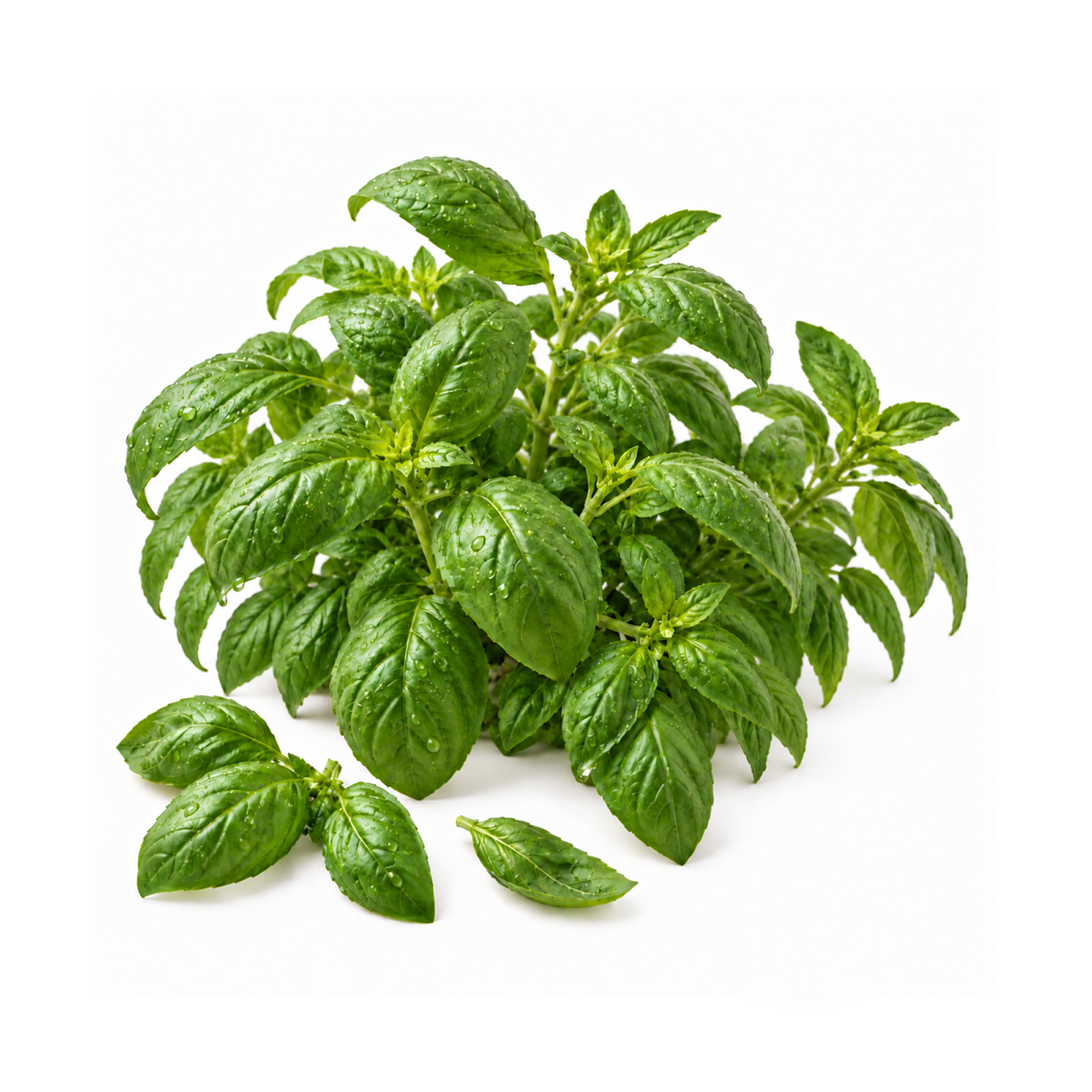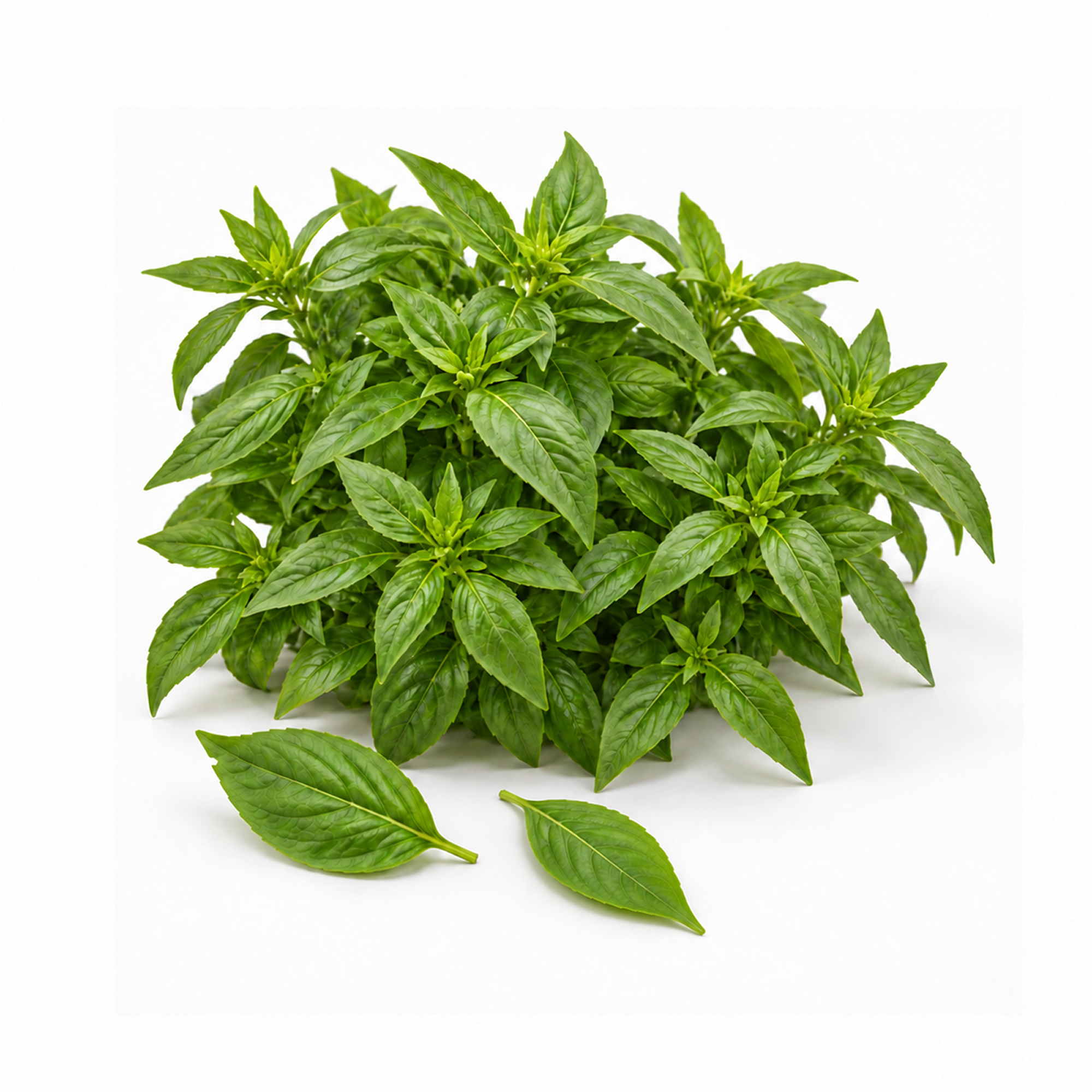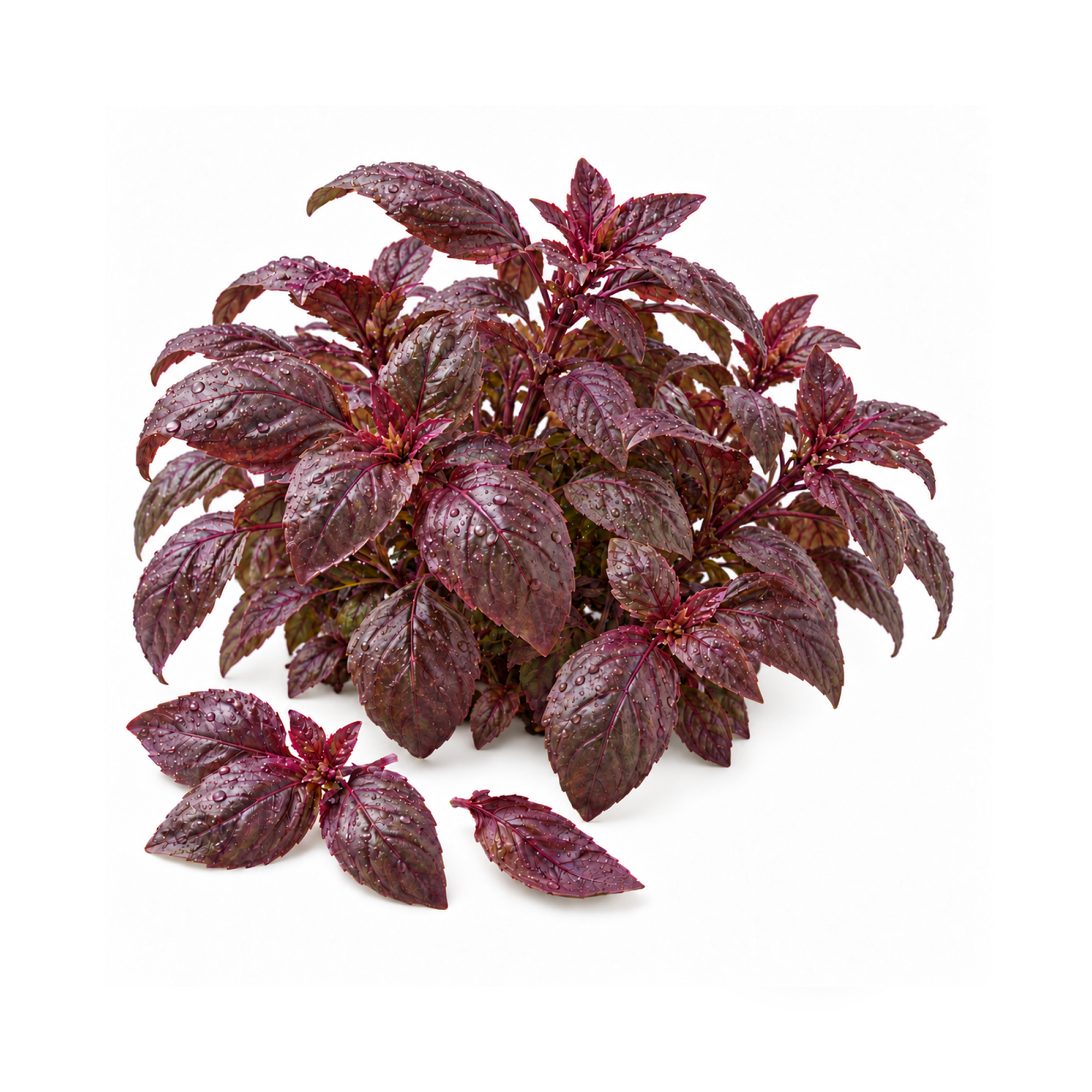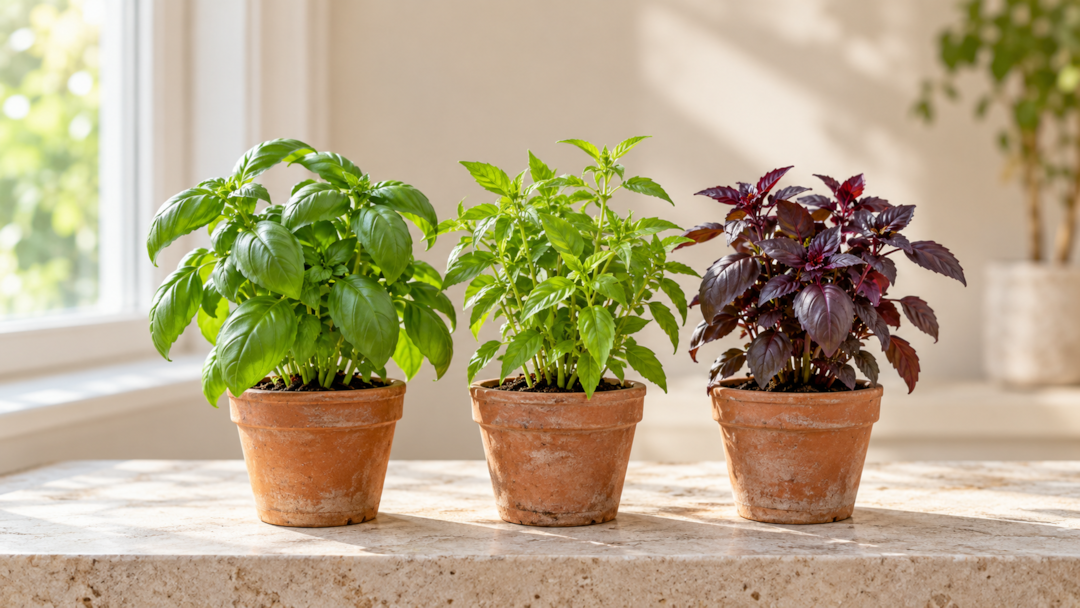
Not all basil tastes the same. Genovese basil brings the familiar sweet, peppery flavor associated with pesto and Italian cooking. Lemon basil has a bright, citrus-like aroma that works well in salads, dressings, and drinks. Red Rubin basil stands out for its deep purple-red leaves and distinctive appearance, adding both color and herbal flavor to fresh dishes.
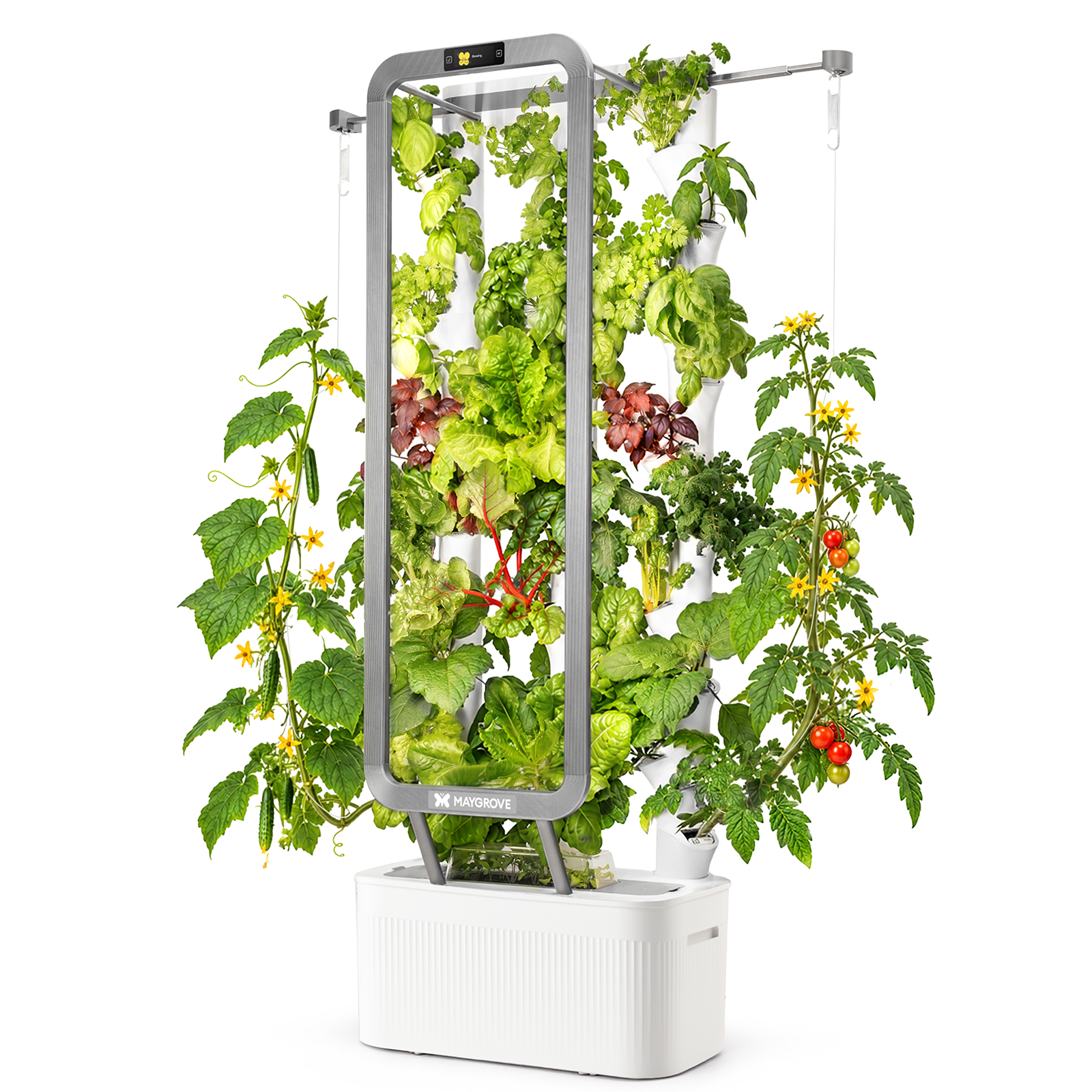
All three belong to the basil family, but their differences make them useful for different recipes and growing goals — and in a compact indoor garden like the Maygrove AI Growbot Verti 30, you have room to raise all three side by side. If you want one versatile kitchen herb, Genovese basil is a dependable starting point. If you enjoy citrus notes or want more colorful meals, lemon basil and Red Rubin basil offer something different.
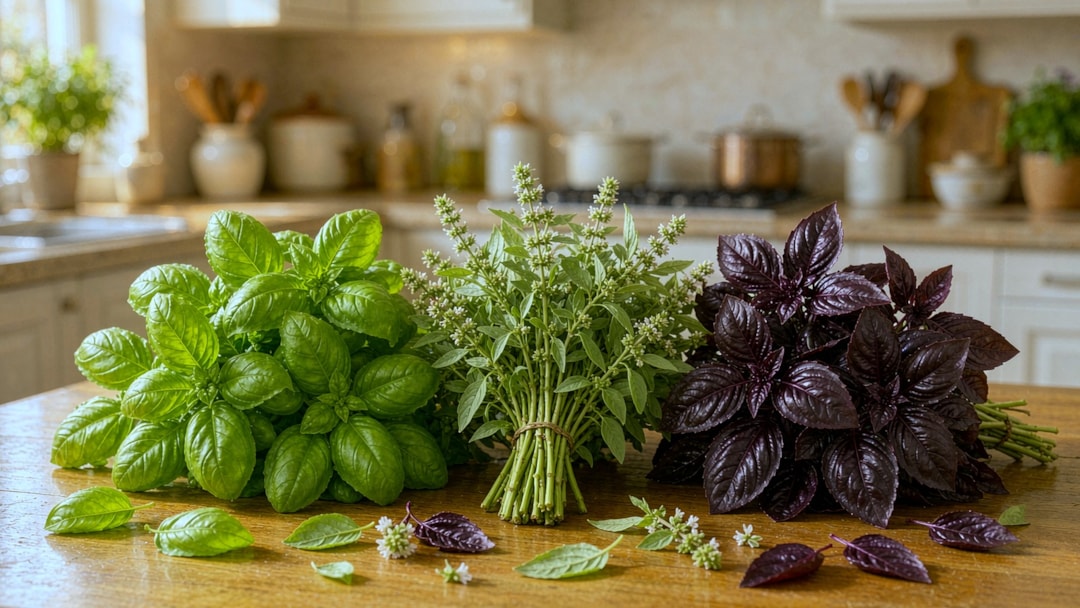
Here's how to compare the three varieties and decide which ones are worth growing at home.
What These Three Basil Varieties Have in Common
Genovese basil, lemon basil, and Red Rubin basil are all aromatic culinary herbs grown primarily for their leaves. Like other basils, they belong to the genus Ocimum, although the precise species and classification can vary by variety.
Their leaves contain naturally occurring aromatic compounds that give each type its characteristic scent and flavor. These compounds are responsible for much of basil's culinary appeal, whether the herb is chopped into a salad, blended into a sauce, or added to a cooked dish.
All three varieties can be used fresh, and each can contribute flavor without requiring large quantities of salt or rich sauces. One shared growing note worth knowing: Clemson Extension warns that over-fertilized basil loses foliage flavor during rapid growth, so balanced nutrition beats heavy feeding. (If your basil seems sluggish instead, our guide to why indoor herbs grow slowly covers the usual suspects.)
Similar growing requirements
Although their flavors and appearances differ, these basils share several basic growing needs:
- Adequate light: Basil generally needs bright light to develop healthy foliage and a compact growth habit.
- Warm conditions: Basil is a warm-season herb that grows best when protected from cold temperatures.
- Consistent moisture: Keep the root zone appropriately moist without leaving the roots waterlogged.
- Suitable nutrition: Provide balanced nutrients for leafy growth rather than assuming more fertilizer will produce better flavor.
- Regular harvesting: Removing suitable stem tips encourages branching and provides fresh leaves for cooking.
The exact growth rate, mature size, and leaf production depend on the cultivar and growing environment. Basil seeds germinate in roughly 5–10 days at 70°F, according to Clemson Extension, with warmer root zones (75–85°F) speeding things up further. And flavor follows light: Utah State University Extension notes that full-sun basil plants contain more essential oils — and taste better — than shaded ones, which is exactly what a dedicated grow light recreates indoors.
If you have room for more than one variety, growing different basils together can make your indoor herb garden more versatile. You can harvest classic sweet basil for pasta, lemon basil for fresh dishes, and Red Rubin basil when you want a stronger visual contrast.
Genovese Basil: Classic Sweet Basil Flavor
Genovese basil is one of the most recognizable culinary basil varieties. It is closely associated with Italian cooking, particularly pesto, tomato dishes, and fresh herb sauces.
The plant typically produces green, relatively broad leaves with a smooth or slightly textured surface. Its familiar sweet, peppery aroma makes it a versatile choice for everyday cooking.
What does Genovese basil taste like?
Genovese basil has a fresh, sweet, herbal flavor with peppery notes and a characteristic basil aroma — Clemson Extension describes it as a vigorous, large-leaf cultivar with a sweet, spicy taste that is most commonly used for making pesto. Depending on the plant and growing conditions, you may also notice subtle clove-like or anise-like nuances.
Its flavor works particularly well with ingredients such as tomatoes, garlic, olive oil, mozzarella, and Parmesan.
Unlike lemon basil, Genovese basil does not have a pronounced citrus aroma. It is generally the better choice when you want the familiar flavor associated with traditional Italian basil recipes.
Best uses for Genovese basil
Genovese basil is particularly useful for:
- Pesto: Blend fresh leaves with olive oil, garlic, nuts, and Parmesan or another suitable cheese — our fresh basil pesto recipe walks through it step by step.
- Tomato dishes: Pair the leaves with fresh tomatoes, tomato sauces, or tomato-based pasta.
- Pizza and pasta: Add fresh basil near the end of cooking or after the dish comes off the heat.
- Caprese salad: Combine basil with tomatoes, mozzarella, olive oil, and seasoning.
- Herb oils and dressings: Use the leaves to create a classic basil-forward flavor.
Fresh Genovese basil can lose some of its delicate aroma when exposed to prolonged heat. For many recipes, adding it toward the end of cooking helps preserve its fresh character.
If you want a single basil variety that can handle a wide range of familiar recipes, Genovese is an excellent starting point.
Lemon Basil: A Bright Citrus-Like Aroma
Lemon basil is grown for its distinctive citrus-like fragrance. Depending on the cultivar, it may have narrower leaves than Genovese basil, although leaf shape and plant size vary.
Its aroma can suggest lemon zest or citrus peel, making it especially appealing for recipes that benefit from a fresh, bright herbal note.
The citrus character comes from the plant's aromatic compounds — Clemson Extension counts lemon- and lime-scented basil among the many fragrance types of the species. Lemon basil does not replace the acidity of lemon juice, but it can add a complementary citrus-like aroma to a dish. For more ways to cook with it, see our roundup of fresh basil recipes beyond pesto.
What does lemon basil taste like?
Lemon basil has a recognizable basil flavor with a lighter, citrus-like character. Its exact taste varies by cultivar and growing conditions.
Compared with Genovese basil, lemon basil is often more refreshing and less suited to recipes where a traditional sweet-basil profile is essential.
That difference makes it useful for expanding the range of dishes you can prepare with homegrown herbs.
Best uses for lemon basil
Try lemon basil in:
- Fresh salads: Tear the leaves into green salads or grain bowls.
- Dressings and marinades: Combine chopped leaves with olive oil, lemon juice, or vinegar.
- Fish and seafood: Use it with garlic and citrus to complement delicate flavors.
- Drinks: Add a few leaves to sparkling water, iced tea, or other refreshing drinks.
- Fruit dishes: Pair small amounts with berries, melon, or other fruit when you want a fresh herbal note.
- Light vegetable dishes: Add it to cucumber salads, zucchini, or simply prepared vegetables.
Lemon basil is particularly useful when you want a dish to taste fresh without relying entirely on lemon juice or zest.
For a simple preparation, tear a few leaves into a cucumber salad with olive oil and lemon juice. The herb's aroma complements the dressing without overwhelming the vegetables.
Red Rubin Basil: Dark Leaves and a Distinctive Appearance
Red Rubin basil is a purple-leaved basil variety known for its deep red-purple foliage. It traces back to the 1993 release of 'Rubin', which Clemson Extension notes was selected for more consistent purple coloration than its predecessor 'Dark Opal'. Like other purple basils, it is commonly grown as an ornamental culinary herb, offering both visual appeal and a distinctive basil flavor — and purple basil has a long tradition in herbal vinegar, where the leaves tint the jar a striking magenta.
Its leaves can range from reddish purple to deep burgundy, with the intensity of the color influenced by the variety and growing conditions.
The dark foliage creates a striking contrast with green lettuce, tomatoes, cucumbers, and other fresh ingredients. This makes Red Rubin basil particularly useful when presentation matters as much as flavor.
What does Red Rubin basil taste like?
Red Rubin basil has a recognizable basil flavor, often described as sweet, spicy, or slightly clove-like. Its flavor can differ from Genovese basil, but it is still useful in many of the same culinary applications.
It does not have the pronounced citrus character associated with lemon basil.
The exact flavor intensity depends on the plant, leaf maturity, and growing conditions. Taste a small amount before using a large quantity in a recipe, especially if you are unfamiliar with the variety.
Best uses for Red Rubin basil
Red Rubin basil works well in:
- Colorful salads: Add whole or torn leaves to salads with green lettuce, tomatoes, and cucumber.
- Herb garnishes: Use the dark leaves to create contrast against lighter-colored foods.
- Vinegars and dressings: Experiment with chopped leaves in herb dressings or infused vinegar.
- Tomato dishes: Pair it with fresh tomatoes, olive oil, and other Mediterranean-style ingredients.
- Pasta and vegetable dishes: Use it as an alternative to green basil when you want a different visual effect.
Red Rubin basil can also be used to make colorful herb preparations. However, its purple pigments may change appearance depending on acidity, heat, and preparation, so the finished color is not always predictable.
If you want an herb that makes an ordinary salad or plate of vegetables look more distinctive, Red Rubin basil is a useful option.
How the Varieties Differ in Flavor and Appearance
The three varieties share the same broad purpose: providing fresh basil flavor. Their differences become clearer when you compare aroma, leaf color, and the dishes for which each is best suited.
| Characteristic | Genovese Basil | Lemon Basil | Red Rubin Basil |
|---|---|---|---|
| Typical leaf color | Green | Green | Deep red-purple to burgundy |
| Leaf shape | Usually broad and relatively smooth | Often narrower, depending on cultivar | Usually broad leaves with purple-red pigmentation |
| Main flavor profile | Sweet, herbal, and peppery | Herbal with a citrus-like aroma | Herbal, often sweet and spicy |
| Aroma | Classic sweet-basil scent | Bright, lemon-like fragrance | Basil aroma with a distinctive character |
| Best-known uses | Pesto, pasta, tomatoes, Italian dishes | Salads, drinks, dressings, fish | Colorful salads, garnishes, tomato dishes |
| Visual appeal | Familiar green herb | Fresh green foliage | Strong contrast with green vegetables |
| Best reason to grow it | Everyday versatility | Citrus-like flavor | Color and flavor variety |
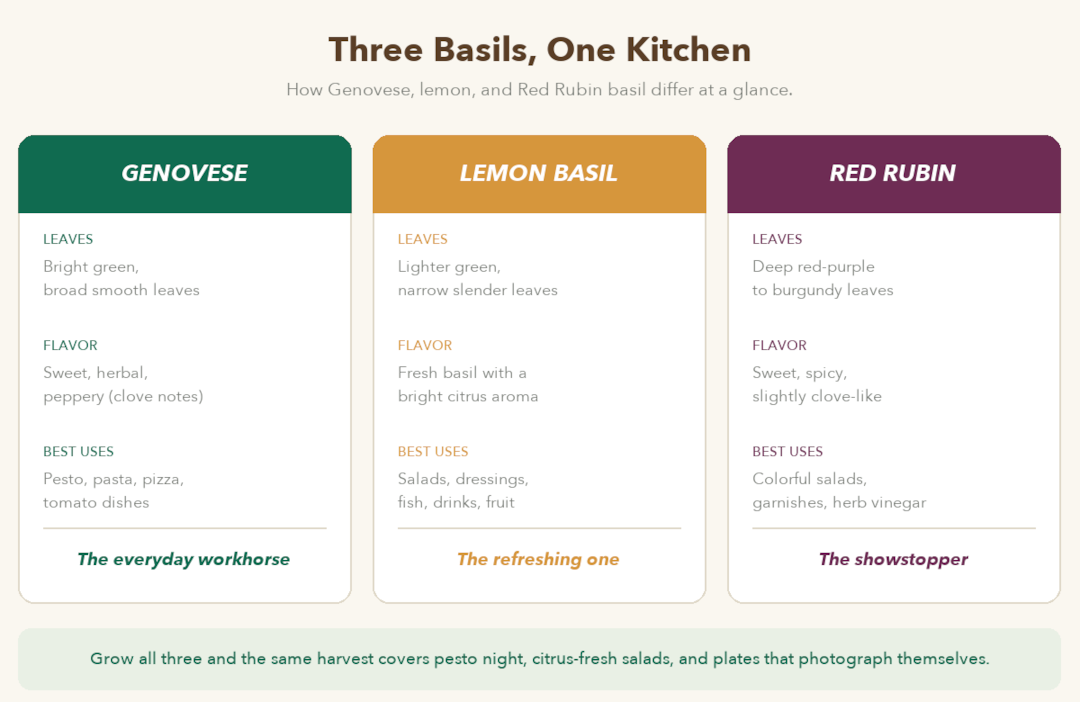
These are general characteristics rather than guarantees. Individual plants may vary in aroma, leaf size, flavor intensity, and growth habit.
Which variety has the strongest flavor?
There is no universal ranking. Genovese basil has the familiar flavor many people associate with sweet basil, lemon basil stands out for its citrus-like aroma, and Red Rubin basil offers a different combination of herbal and spicy notes.
The most useful comparison is not which basil is strongest, but which flavor suits the dish.
For traditional pesto, Genovese basil is usually the most straightforward choice. For a fresh cucumber salad or citrus-inspired drink, lemon basil may be more suitable. For a colorful salad or garnish, Red Rubin basil offers something different. Whichever you pick, harvesting is the same: Utah State University Extension suggests starting once a plant has 6–8 leaves, taking stems so that 2–4 leaves remain to regrow. 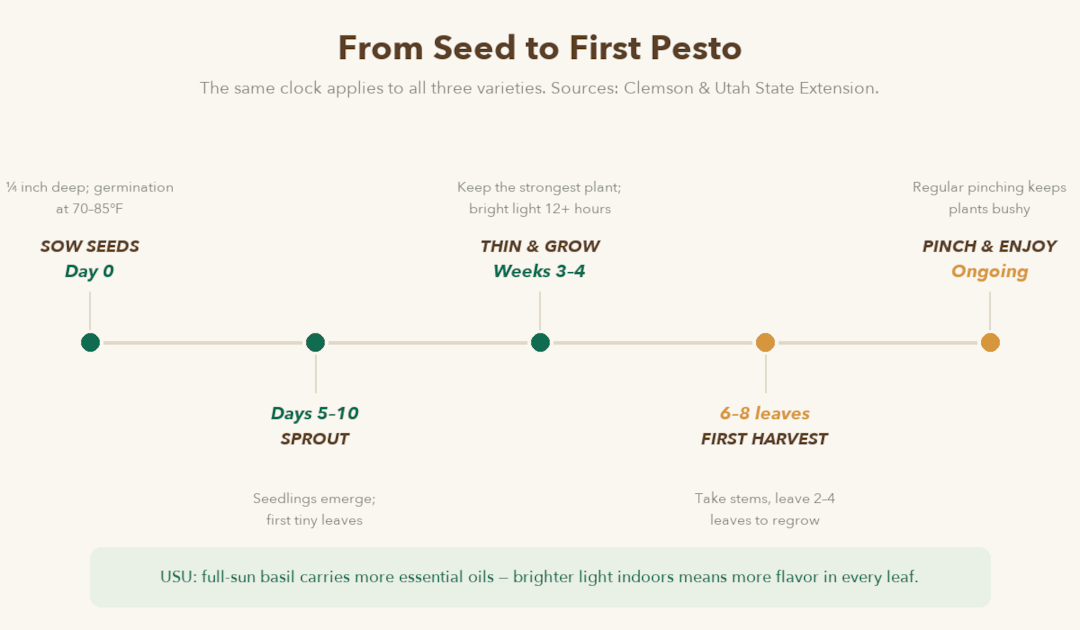
And if leggy stems rather than slow growth are your problem, see our guide to why basil grows tall and leggy.
Which Basil Is Best for Different Recipes?
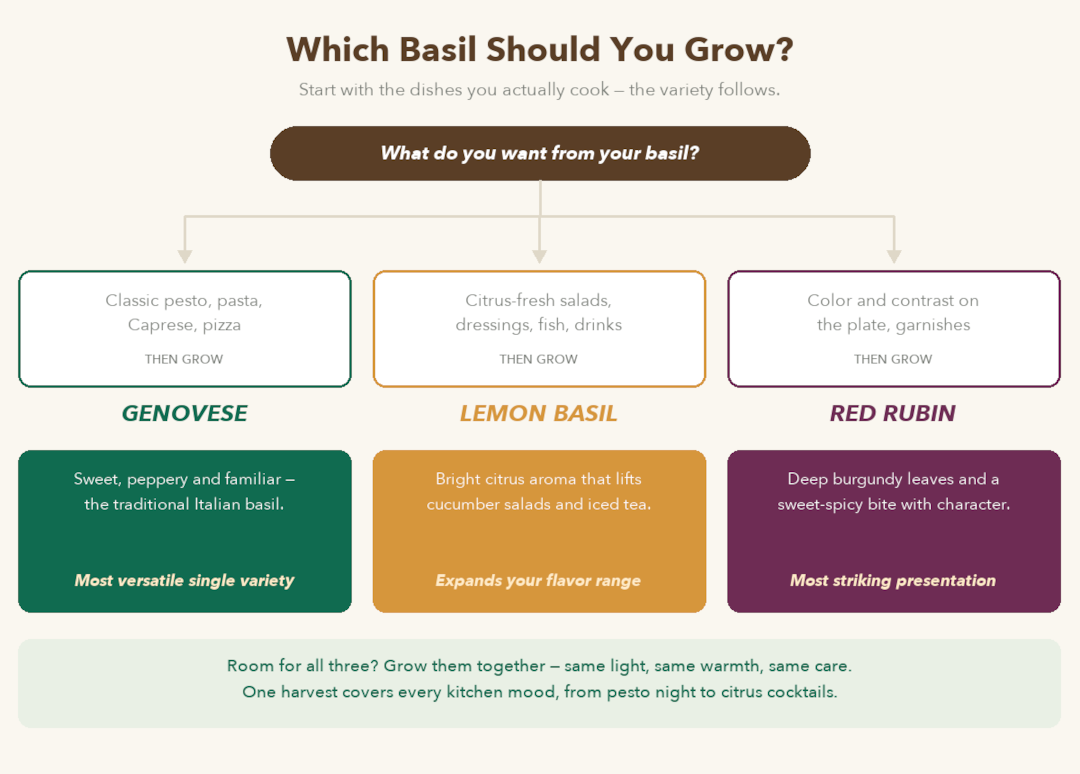
Choosing basil based on the recipe is often more useful than choosing it based on appearance alone.
Pesto, Pasta, and Tomato Dishes
Best starting choice: Genovese basil
Genovese basil is a natural fit for classic pesto because its sweet, peppery flavor works well with olive oil, garlic, nuts, and cheese.
It is also a reliable choice for tomato-based dishes. Fresh basil can brighten pasta sauces, complement ripe tomatoes, and add aroma to pizza or roasted vegetables.
Red Rubin basil can also work in tomato dishes when you want a different appearance or flavor. Lemon basil is less traditional for classic pesto, but it can be used experimentally when you want a citrus-like note.
For the most familiar Italian basil flavor, start with Genovese and adjust the quantity to your taste.
Salads, Dressings, and Drinks
Best choice depends on the flavor you want.
For salads with cucumber, leafy greens, or fruit, lemon basil can provide a bright aroma that complements fresh ingredients. It also works well in light dressings and refreshing drinks.
Red Rubin basil is a strong choice when you want color contrast. Add its leaves to a salad with green lettuce, tomatoes, and cucumber, or use them as a garnish for a finished dish.
Genovese basil remains versatile in salads, particularly those containing tomatoes, mozzarella, or olive oil-based dressings.
Here is a simple way to compare all three varieties:
- Make a tomato and mozzarella salad with Genovese basil.
- Prepare a cucumber salad with lemon basil.
- Add Red Rubin basil to a mixed-leaf salad with tomatoes and a light vinaigrette.
Keep the other ingredients similar when tasting the varieties side by side. That makes it easier to notice how their aromas and flavors differ.
Frequently Asked Questions
Can Lemon Basil Replace Genovese Basil?
Yes, lemon basil can replace Genovese basil in many recipes, but the flavor will change. Lemon basil adds a citrus-like aroma that may work especially well in salads, dressings, fish dishes, and refreshing drinks. For traditional pesto or classic Italian tomato dishes, Genovese basil is usually the more familiar choice. You can also combine the two varieties to balance their flavors.
Does Red Rubin Basil Taste Different?
Yes, Red Rubin basil can taste different from Genovese basil, although both have recognizable basil flavors. Red Rubin is often described as sweet and spicy, while Genovese has the familiar sweet, peppery profile associated with Italian cooking. Red Rubin's most obvious difference is its deep purple-red foliage, which adds visual contrast to salads and garnishes. Flavor intensity varies with the plant and growing conditions.
Which Basil Is Best for Beginners?
Genovese basil is a practical starting point because it is versatile and works in many familiar recipes. However, lemon basil and Red Rubin basil can also be good choices for beginners when their light, temperature, and watering needs are met. Choose the variety you are most likely to use in your cooking, and follow the seed supplier's growing instructions.
Can You Grow Different Basil Varieties Together?
Yes, different basil varieties can often grow in the same indoor garden if they have suitable light, temperature, water, and root space. Avoid overcrowding them, and label each plant so you can identify the leaves at harvest. If they share a system, make sure its layout and conditions meet the needs of all the varieties.
Is Purple Basil More Nutritious Than Green Basil?
Not necessarily. Red Rubin basil contains pigments called anthocyanins that contribute to its purple-red color, while green basil contains chlorophyll and other naturally occurring plant compounds. These differences do not establish that one variety is universally healthier. Nutrient and plant-compound levels vary by cultivar, growing conditions, maturity, and serving size.
How Should You Store Fresh Basil After Harvesting?
Fresh basil leaves are best used right after picking — Clemson Extension notes that harvested basil does not store long, even under refrigeration. For a few extra days, Utah State University Extension suggests placing cut stems in a jar of water in a cool spot, or refrigerating them with a plastic bag over the tops for up to 7–10 days. Avoid washing the leaves until you are ready to use them.
The Bottom Line
Genovese, lemon, and Red Rubin basil each bring something different to the kitchen.
- Choose Genovese basil for classic sweet-basil flavor in pesto, pasta, and tomato dishes.
- Choose lemon basil for a bright citrus-like aroma in salads, dressings, fish dishes, and drinks.
- Choose Red Rubin basil for deep purple-red leaves that add color and a distinctive herbal flavor to fresh meals.
If you have room, growing all three can give you more options than relying on a single basil variety. Harvest the leaves as needed, experiment with different recipes, and choose the flavors you enjoy most.
The best basil is the one that grows well in your space and makes you want to use fresh herbs more often.
Grow Your Basil Trio with Maygrove
With the Maygrove AI Growbot Verti 30, you can grow Genovese, lemon, and Red Rubin basil side by side, harvest them at their aromatic peak, and keep all three flavors within arm's reach of your kitchen. Full-spectrum grow lights provide the bright conditions basil loves, so the leaves you pick carry more of the essential oils that make each variety worth growing.