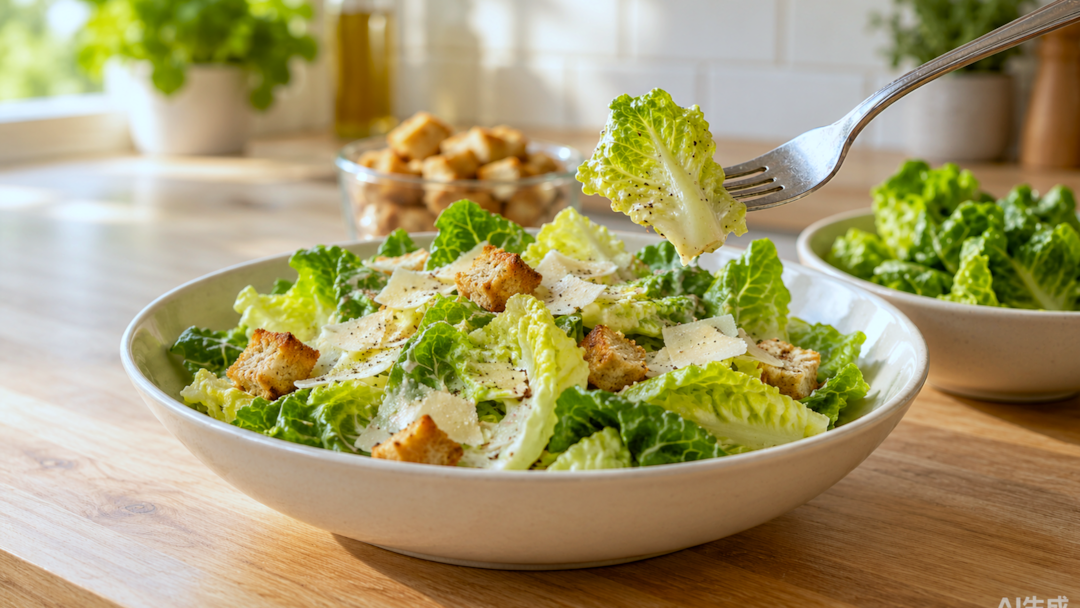
A great Caesar salad is all about balance: crisp lettuce, creamy dressing, crunchy croutons, and savory Parmesan cheese. While the dressing often gets the most attention, choosing the right lettuce is just as important. The leaves need to hold their texture, complement the rich dressing, and provide a refreshing contrast to the other ingredients.
Romaine lettuce is the classic choice because its sturdy ribs and crisp leaves deliver that signature crunch. Whether you're preparing a traditional Caesar salad or making one with freshly harvested greens, understanding how to choose and prepare your lettuce can make a noticeable difference.

What Are the Essential Ingredients in a Caesar Salad?
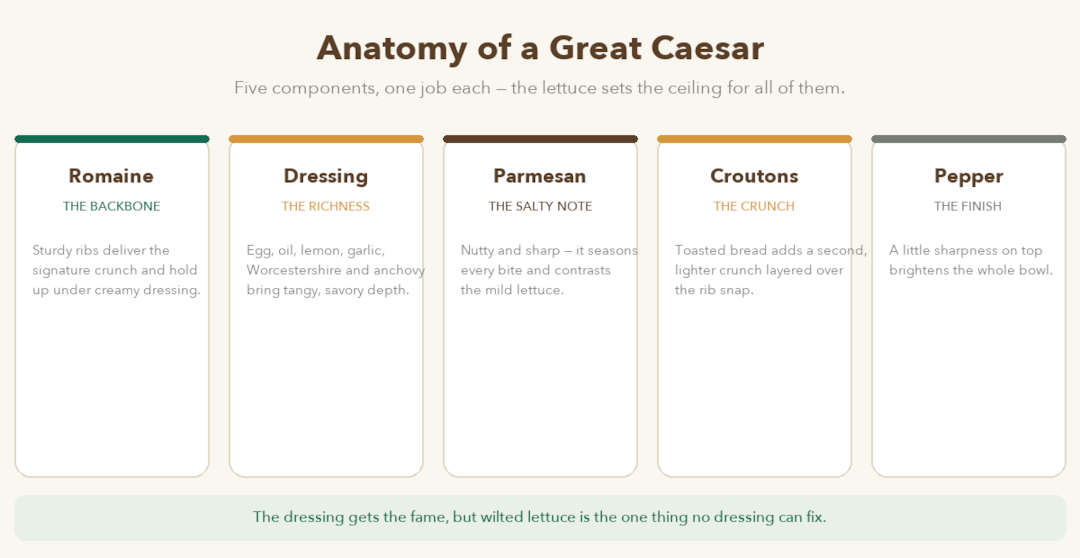
A classic Caesar salad combines a handful of ingredients that work together to create its distinctive flavor and texture.
- Romaine lettuce: Provides a crisp, refreshing base.
- Caesar dressing: Adds creaminess, tanginess, and savory depth. Traditional versions often include egg, oil, lemon juice, Worcestershire sauce, garlic, and anchovies.
- Parmesan cheese: Contributes a salty, nutty flavor.
- Croutons: Add crunch and a toasted, savory taste.
- Black pepper: Provides a little extra sharpness.
Some recipes also include Dijon mustard, extra lemon juice, or other seasonings. Grilled chicken, shrimp, or other proteins can turn the salad into a more substantial meal.
The goal is to let each ingredient contribute something without overpowering the others.
Why Romaine Lettuce Is Commonly Used in Caesar Salad
Romaine lettuce is especially well suited to Caesar salad because of its combination of crispness, mild flavor, and sturdy leaves.
Unlike delicate greens that may wilt quickly under a heavy dressing, romaine holds its structure well. Its crunchy ribs contrast with creamy dressing and crisp croutons, creating a satisfying texture in every bite.
Romaine also has a relatively mild, slightly sweet flavor that complements the salty Parmesan and tangy dressing without competing with them.
For the best results, choose fresh, firm leaves and dry them thoroughly before adding the dressing.
What to Look for When Choosing Romaine Lettuce
Not all lettuce produces the same Caesar salad experience. Freshness, texture, and leaf structure all affect the final result.
Crispness and Leaf Structure
Look for romaine leaves that feel firm and springy rather than limp. The ribs should be sturdy, and the leaves should hold their shape when chopped or tossed.
Outer leaves often provide a stronger crunch, while inner leaves tend to be more tender. Using a combination gives your salad a pleasant mix of textures.
Avoid leaves that are slimy, heavily bruised, or deteriorating. These are signs that the lettuce may no longer be fresh.
Flavor and Freshness
Fresh romaine should taste clean and mildly sweet, with a refreshing vegetal flavor. Older leaves may become tougher, while heat stress or bolting can contribute to bitterness. Clemson Cooperative Extension notes that high temperatures push lettuce toward bolting and a bitter flavor — one more reason indoor-grown leaves, kept in their comfort zone, taste reliably sweet.
To preserve freshness:
- Choose lettuce with healthy-looking leaves and firm ribs.
- Store unwashed lettuce in the refrigerator until you're ready to use it — our lettuce storage guide explains how to keep it crisp for up to two weeks.
- Wash the leaves under cool running water before preparing the salad.
- Dry the leaves thoroughly to help the dressing cling properly.
Freshness matters because even an excellent dressing cannot compensate for wilted or unpleasant-tasting lettuce.
Can You Use Different Romaine Lettuce Varieties in Caesar Salad?
Yes. Different romaine varieties can work well in Caesar salad, although their leaf shape, color, and texture may vary.
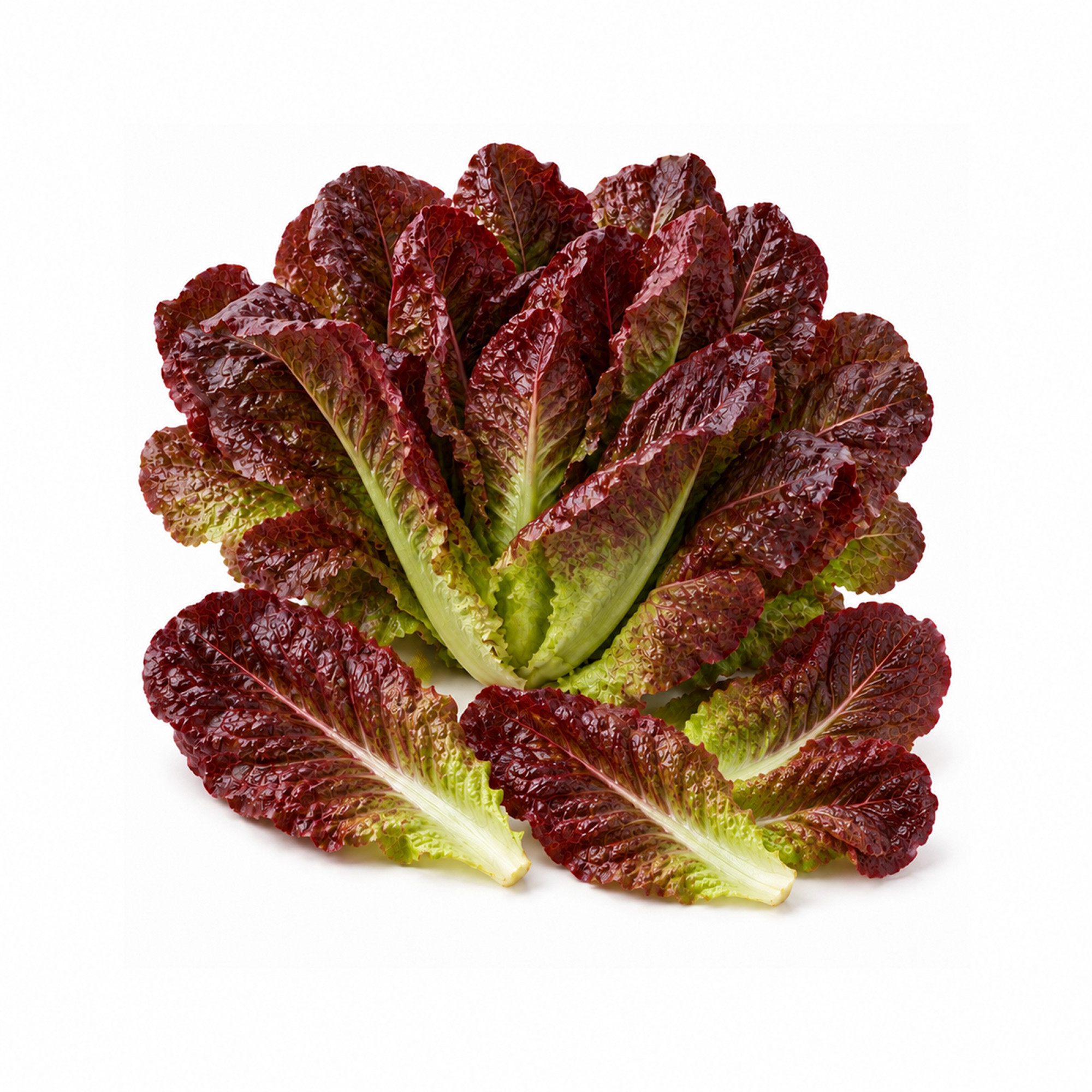
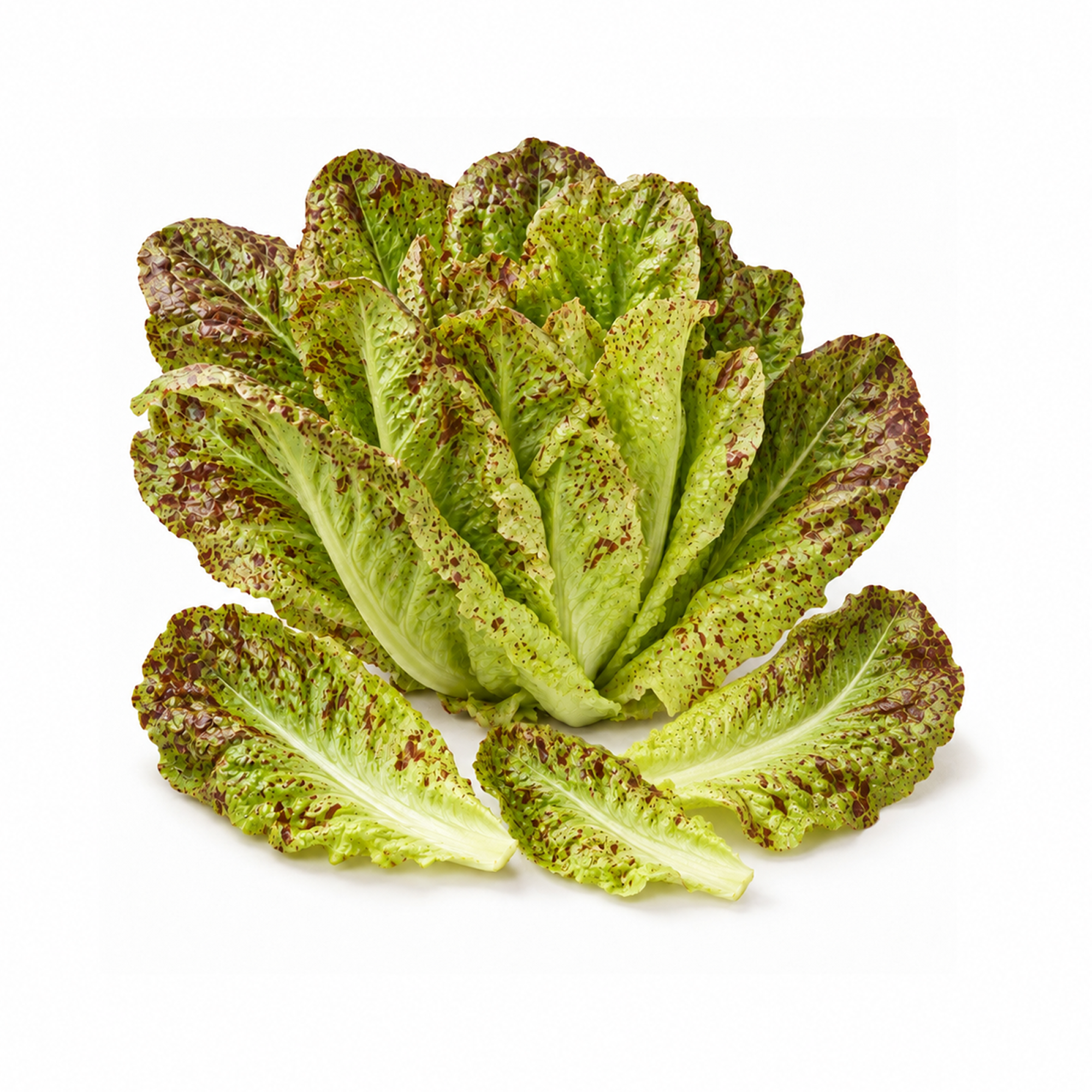
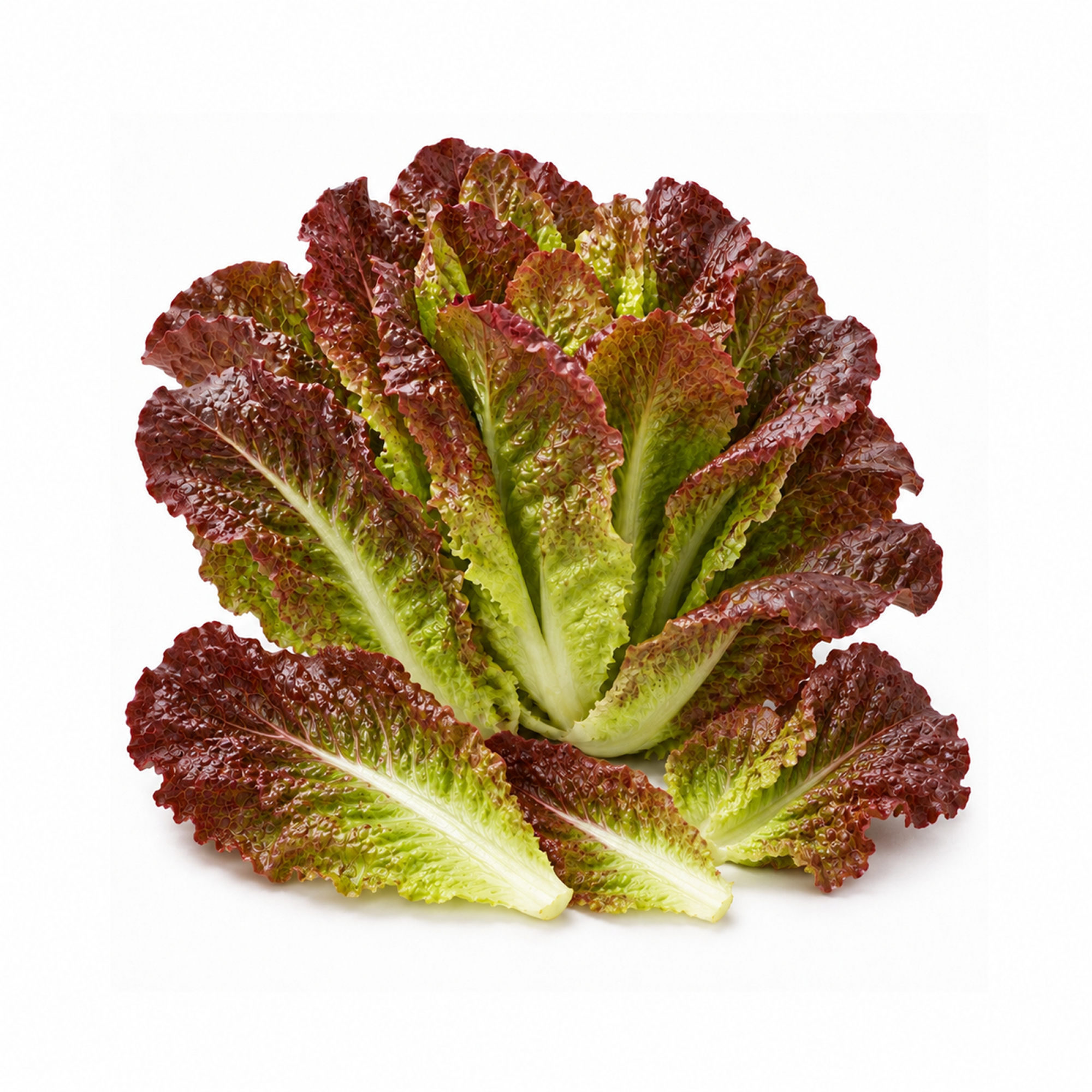
Some varieties produce long, upright leaves with prominent ribs, while others have more compact heads or distinctive red-tinged foliage.
For example, Cimmaron Romaine Lettuce is known for its attractive reddish-bronze leaves. It can add visual interest to a salad while offering a different appearance from traditional green romaine. Curious how the reds compare beyond looks? Red vs. green lettuce nutrition breaks down both families.
When choosing a variety, consider three things:
- Texture: Does it provide the crunch you want?
- Flavor: Does its taste complement the dressing and Parmesan?
- Harvest stage: Are the leaves mature enough to provide the desired texture? Our romaine harvest timing guide walks through the readiness signals day by day.
You can also combine varieties to create a salad with different colors and textures — the same principle that makes mixed greens work so well. Just make sure the leaves are fresh and suitable for eating raw.
How to Balance Lettuce, Dressing, Croutons, and Parmesan
A Caesar salad can quickly become too heavy if the ingredients aren't balanced. The key is to coat the lettuce without drowning it in dressing.
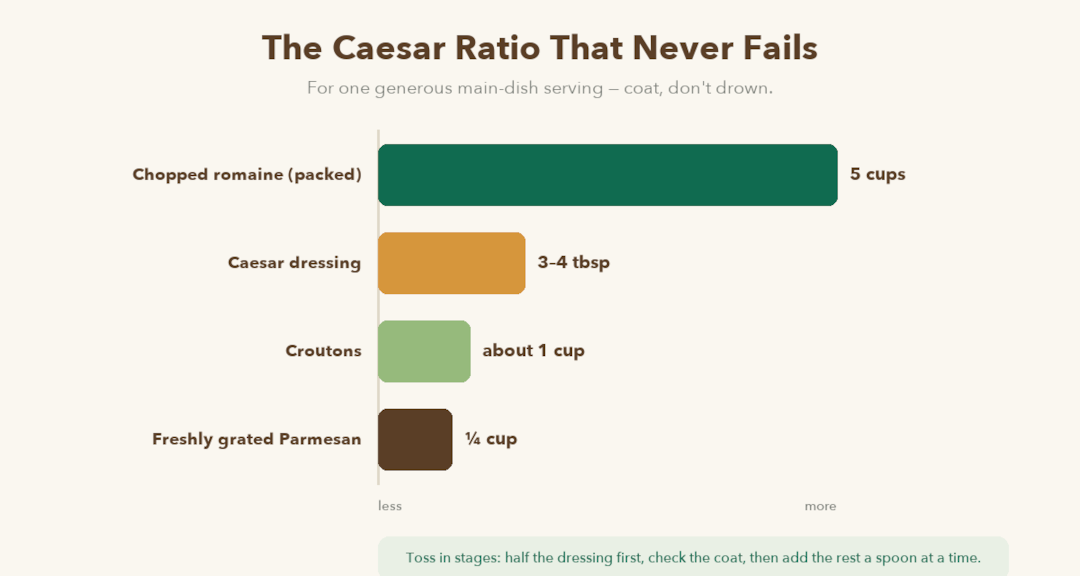
Start with thoroughly dried romaine leaves. Add a small amount of dressing and toss until the leaves are lightly coated. Add more gradually if needed.
Next, add Parmesan and croutons. The cheese should contribute savory depth, while the croutons provide a crunchy contrast.
A few practical tips:
- Don't overdress the lettuce. Too much dressing can hide the fresh flavor and make the leaves feel heavy.
- Keep croutons crisp. Add them shortly before serving.
- Use freshly grated Parmesan. It distributes well and adds a more pronounced savory flavor.
- Season to taste. Black pepper and a little lemon juice can brighten the finished salad.
For a simple starting point, plan on approximately 2–3 cups of chopped romaine per serving, adjusting the amount to suit your appetite and the rest of the meal.
Ready to Make One?
When your leaves are picked and prepped, assembly takes five minutes: toss the dried romaine with just enough dressing to coat, fold in the Parmesan and croutons, and finish with black pepper and a squeeze of lemon. For the full ingredient list, the classic homemade dressing, and the step-by-step method, see our Caesar salad recipe with freshly grown romaine.
Common Caesar Salad Mistakes and How to Avoid Them
| Mistake | Why It Matters | How to Avoid It |
|---|---|---|
| Using wilted lettuce | Reduces crunch and freshness | Choose firm, healthy leaves |
| Adding wet lettuce | Dilutes the dressing | Dry leaves thoroughly |
| Using too much dressing | Overpowers the other ingredients | Add dressing gradually |
| Adding croutons too early | Makes them soggy | Add immediately before serving |
| Using too much Parmesan | Can make the salad overly salty | Add gradually and taste as you go |
| Preparing too far in advance | Lettuce may wilt after dressing | Toss just before serving |
A few small adjustments can make the difference between a soggy salad and one with crisp, well-balanced ingredients.
Can You Grow Romaine Lettuce for Homemade Caesar Salad?
Absolutely. Growing romaine lettuce at home gives you access to fresh leaves whenever you want to make a salad.
Romaine can grow indoors when it receives adequate light, suitable temperatures, water, and nutrients. You can grow it in containers with potting mix or use a hydroponic system designed for leafy greens.
For continuous harvesting, remove mature outer leaves while leaving the central growing point intact. This allows the plant to continue producing new leaves, although productivity will eventually decline as the plant matures.
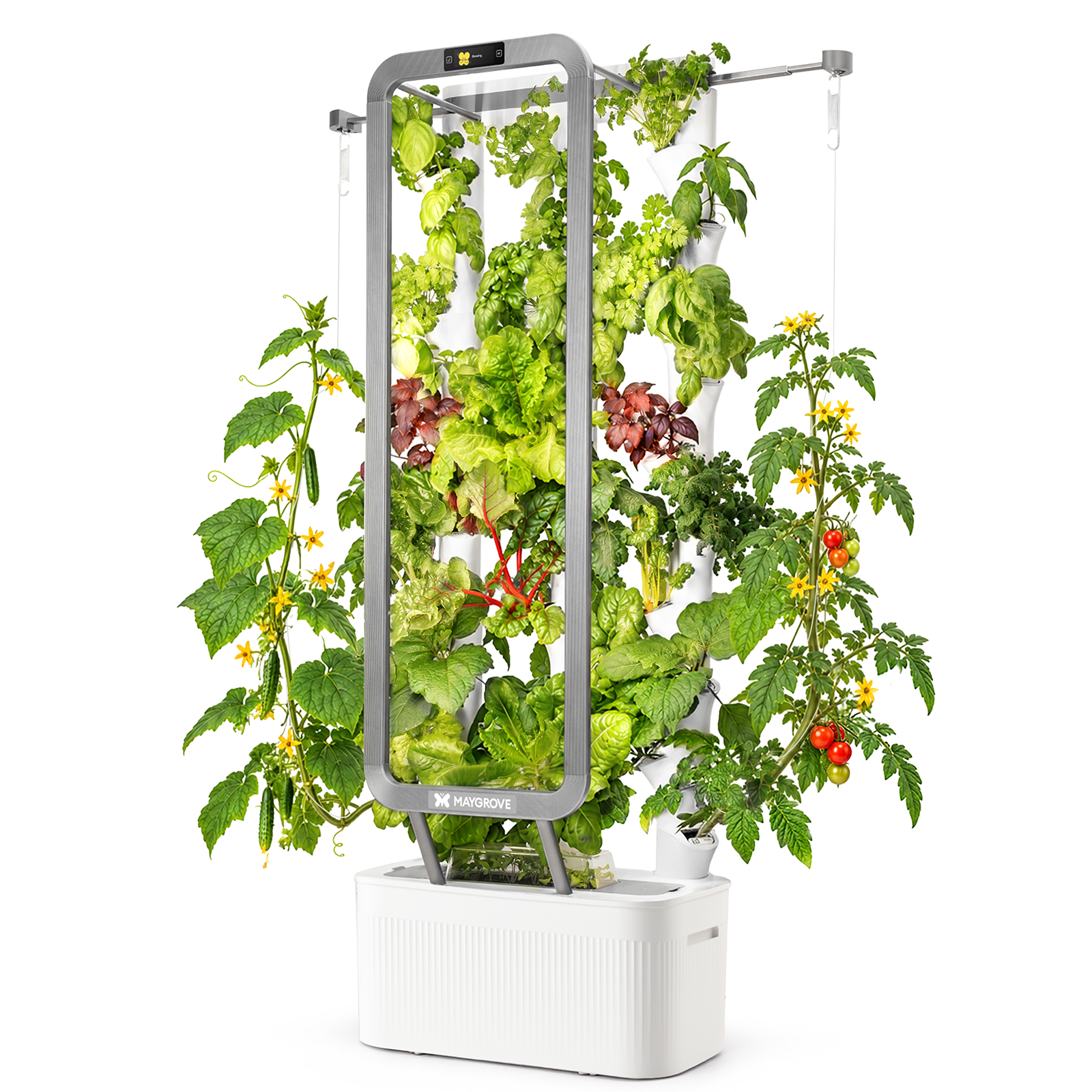
The Maygrove AI Growbot Verti 30 offers an integrated indoor growing system designed to make growing fresh ingredients more convenient. Compatible pre-seeded MayPods simplify planting, while integrated growing features help reduce some of the routine work involved in maintaining an indoor garden.
Growing your own lettuce also gives you more control over when you harvest. You can pick leaves when they're crisp and ready to use, then bring them straight to your kitchen for a fresh Caesar salad.
Frequently Asked Questions
Is Romaine the Best Lettuce for Caesar Salad?
Romaine is the classic choice because its sturdy ribs and crisp leaves stand up well to creamy dressing. Other greens can work — a peppery arugula salad with lemon, herbs, and Parmesan shows how far a different leaf can take the same idea — but softer varieties may wilt more quickly and provide less crunch.
Can You Mix Different Romaine Varieties?
Yes. Combining varieties can add visual interest and a mix of leaf textures. Choose fresh, healthy leaves and balance more tender varieties with crispier ones.
How Much Romaine Lettuce Do You Need Per Serving?
A useful starting point is approximately 2–3 cups of chopped romaine per person for a side salad. For a main-course Caesar salad, you may want more, especially if you're adding chicken, shrimp, or other ingredients.
Why Did My Caesar Salad Turn Out Soggy?
Three usual culprits: wet leaves, too much dressing, and croutons added too early. Spin the lettuce completely dry, dress lightly just before serving, and add croutons at the last minute.
Can You Make Caesar Salad Ahead of Time?
You can wash, dry, and chop the romaine a day ahead — store it in a covered container with a paper towel to catch stray moisture. Wait to add the dressing, Parmesan, and croutons until just before serving so everything stays crisp.
Grow Fresh Lettuce for Better Caesar Salads
A great Caesar salad starts with fresh, crisp romaine lettuce. Choose healthy leaves, dry them thoroughly, and balance the dressing, Parmesan, and croutons to bring out the best in every ingredient.
If you enjoy making salads at home, growing your own romaine can make fresh ingredients part of your everyday routine. With the Maygrove AI Growbot Verti 30, you can grow compatible lettuce varieties indoors and harvest fresh leaves for your next Caesar salad—no backyard required.