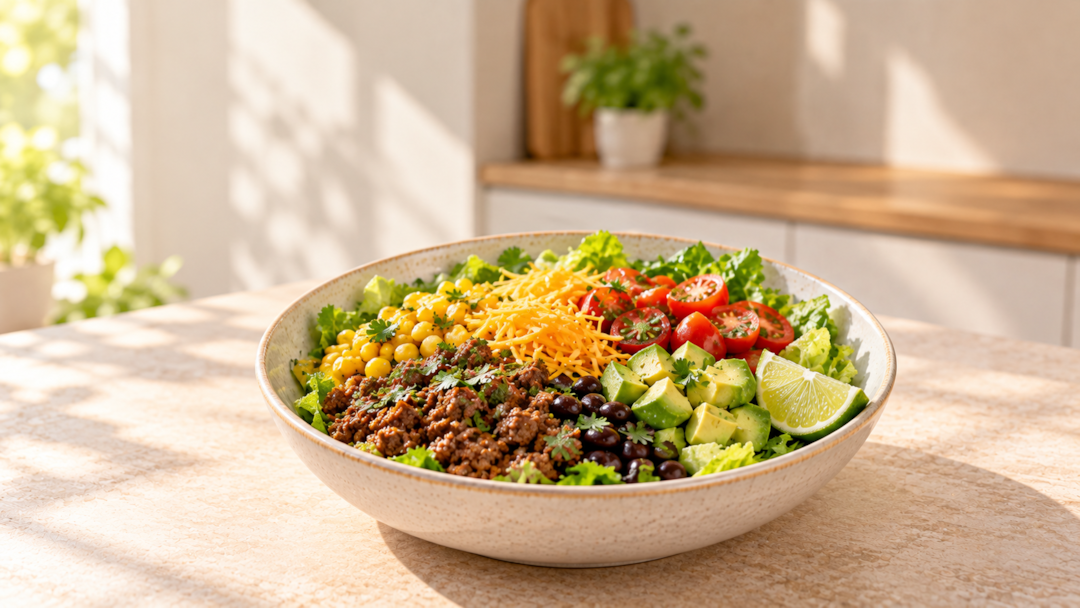
A good taco bowl combines seasoned protein, hearty beans, sweet corn, crisp greens, juicy tomatoes, creamy avocado, and a bright citrus dressing. The best part? You can customize the ingredients to suit your taste, whether you prefer a classic beef taco bowl, a vegetarian version, or a lighter meal loaded with fresh vegetables.
For a simple homemade taco bowl, start with these ingredients:
- Protein: Ground beef, chicken, turkey, tofu, or black beans
- Fresh greens: Romaine lettuce for a crisp, refreshing base
- Vegetables: Tomatoes, corn, bell peppers, or red onion
- Healthy fats: Avocado or guacamole
- Toppings: Cheddar cheese, cilantro, salsa, or sour cream
- Seasoning and dressing: Taco seasoning, lime juice, and your favorite hot sauce
This recipe uses seasoned ground beef, black beans, corn, romaine lettuce, Tiny Tim tomatoes, avocado, cheddar cheese, cilantro, and lime juice. It makes a colorful, satisfying meal in about 15 minutes using ingredients that are easy to find at most grocery stores.
Freshly harvested lettuce and tomatoes can make the bowl feel especially vibrant. With a little planning, you can even grow selected taco bowl ingredients indoors and harvest them as needed.
Easy Ground Beef Taco Bowl Recipe
Prep Time: 15 minutes Cook Time: 15 minutes Total Time: 30 minutes Servings: 2 Difficulty: Easy
This recipe makes two generous taco bowls. The ingredient quantities below follow the recipe's specified portions, with a few practical pantry staples suggested for seasoning.
Ingredients
| Ingredient | Quantity | Purpose |
|---|---|---|
| Cimmaron Romaine Lettuce | 60 g | Crisp, fresh bowl base |
| Ground beef | 100 g | Savory protein |
| Black beans | 60 g | Fiber and plant-based protein |
| Corn | 40 g | Natural sweetness |
| Tiny Tim tomatoes | 60 g | Juicy, fresh topping |
| Avocado | 50 g | Creamy texture |
| Cheddar cheese | 20 g | Rich, savory flavor |
| Fresh cilantro | 5 g | Bright, herbal finish |
| Lime juice | 10 ml | Fresh, tangy dressing |
Optional pantry staples: Taco seasoning, a little cooking oil, salt, black pepper, and salsa.
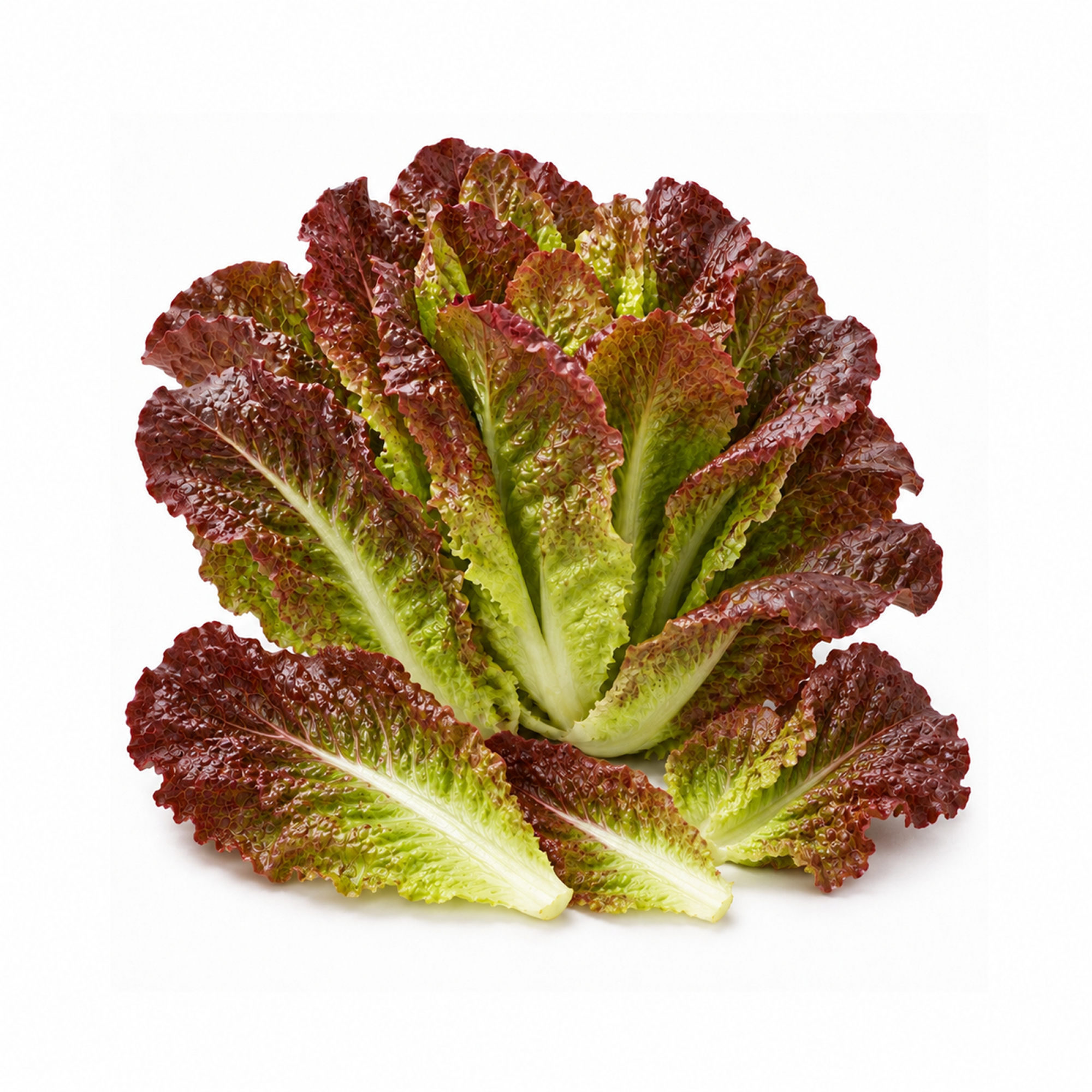
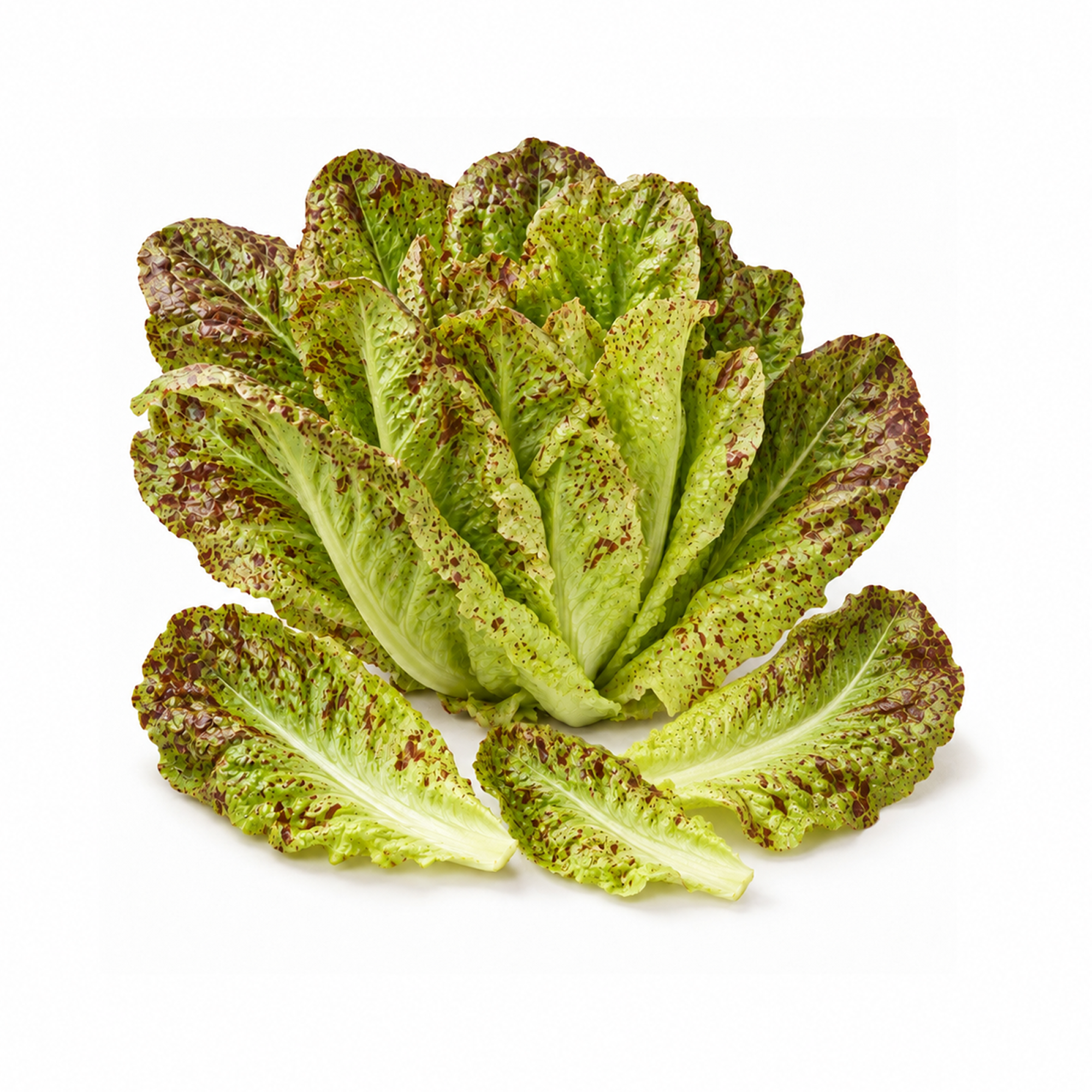
Growing note: Cimmaron Romaine Lettuce and Tiny Tim Tomato are the featured homegrown ingredients in this recipe. Freckles Romaine Lettuce is another suitable option if you want a mix of fresh greens.
How to Make a Taco Bowl
Step 1: Cook and Season the Ground Beef
Heat a skillet over medium heat. Add the ground beef and break it into small crumbles as it cooks.
Cook until the beef is browned and reaches an internal temperature of 160°F (71°C). Drain excess fat if needed, then season with taco seasoning, salt, and pepper to taste.
Set aside while you prepare the other ingredients.
Step 2: Prepare the Black Beans and Corn
Drain and rinse the black beans if using canned beans. Warm them in a small pan or microwave until heated through.
Prepare the corn according to the package instructions if using frozen corn. If using canned corn, drain it before serving. Fresh corn can also be cooked and removed from the cob.
For extra flavor, briefly warm the beans and corn together with a pinch of taco seasoning.
Step 3: Wash and Chop the Romaine Lettuce
Wash the Cimmaron Romaine Lettuce thoroughly under clean running water and dry it well.
Chop the leaves into bite-sized pieces. Arrange them in the bottom of each bowl to create a crisp, refreshing base.
Romaine works particularly well in taco bowls because its sturdy leaves hold up to warm ingredients better than delicate salad greens.
If you grow your own lettuce, harvest only what you need and refrigerate any remaining clean, dry leaves in a suitable container.
Step 4: Dice the Fresh Tomatoes and Avocado
Wash the Tiny Tim tomatoes and cut them into small pieces. Dice the avocado just before serving to help prevent browning.
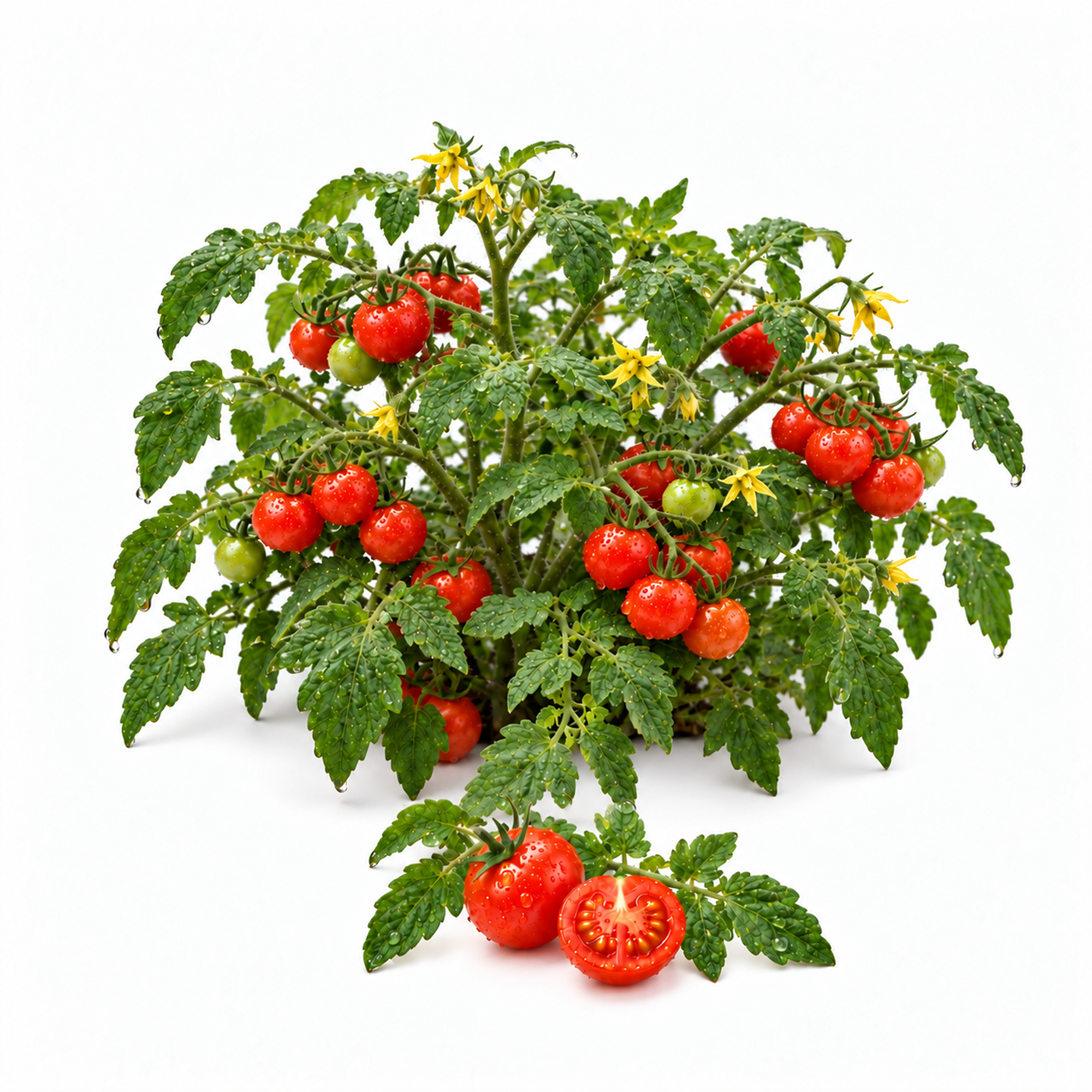
Tiny Tim is a compact tomato variety that can be grown indoors under suitable conditions. Its small fruits are convenient for fresh toppings, salads, and other everyday meals.
If your tomatoes are still developing, store-bought cherry tomatoes are an easy substitute. You can enjoy the recipe now while your next homegrown harvest grows.
Step 5: Assemble the Taco Bowls
Divide the chopped romaine lettuce between two bowls.
Arrange the seasoned ground beef, black beans, corn, diced tomatoes, and avocado over the greens. Sprinkle the cheddar cheese and chopped cilantro on top.
For the best texture, keep the lettuce underneath the warm ingredients and add the avocado and tomatoes near the end.
Step 6: Finish with Lime Juice and Serve
Drizzle the lime juice over each bowl. Add salsa, hot sauce, or another favorite topping if desired.
Toss lightly before eating, or keep the ingredients arranged separately for a bowl that looks as good as it tastes.
Serve immediately while the beef and beans are warm and the vegetables are fresh.
The Best Ingredients for a Taco Bowl
A taco bowl is easy to customize, but choosing ingredients with different textures and flavors makes a noticeable difference.
1. Start with Crisp Romaine Lettuce
Romaine lettuce provides a crunchy base that balances warm, savory ingredients. Its sturdy leaves also hold their texture better than softer salad greens.
For a fresh, homegrown option, consider these two romaine varieties:
- Cimmaron Romaine Lettuce: A colorful romaine variety that adds crisp leaves and visual interest to taco bowls.
- Freckles Romaine Lettuce: A distinctive romaine variety with speckled leaves that can add variety to salads, wraps, and fresh toppings.
You can use either variety on its own or combine them for a mix of colors and textures.
2. Add Tomatoes for Juiciness and Fresh Flavor
Tomatoes add acidity and juiciness that balance seasoned beef, beans, cheese, and avocado.
Tiny Tim Tomato is a compact tomato variety that can be grown indoors with appropriate light, nutrients, and care. Its small fruits are useful for taco bowls, sandwiches, salads, and fresh toppings.
For the best flavor, harvest tomatoes when they are ripe and fully colored according to the variety's characteristics.
If your homegrown tomatoes are not ready yet, use cherry tomatoes or diced ripe tomatoes from the grocery store.
3. Choose a Protein
Ground beef gives this recipe its classic taco flavor, but there are plenty of alternatives.
| Protein | Why It Works |
|---|---|
| Ground beef | Savory, hearty, and easy to season |
| Chicken | Mild flavor that pairs well with lime and salsa |
| Ground turkey | A lighter-tasting alternative to beef |
| Black beans | A convenient plant-based protein source |
| Tofu | A flexible vegetarian option that absorbs seasonings |
For a vegetarian taco bowl, replace the ground beef with additional black beans, seasoned tofu, or a combination of beans and sautéed vegetables.
4. Combine Beans and Corn
Black beans add substance, while corn provides sweetness and a pleasant contrast to the savory protein.
You can also try pinto beans, roasted corn, or a mixture of black beans and kidney beans.
For a quick meal, canned beans and frozen corn work well. Rinse and drain canned beans before using them, and heat both ingredients thoroughly if you prefer a warm bowl.
5. Add Creamy and Tangy Toppings
A few toppings can bring the entire bowl together.
- Avocado: Adds a creamy texture.
- Cheddar cheese: Contributes a rich, savory flavor.
- Cilantro: Adds a fresh herbal note.
- Lime juice: Brightens the flavors and balances the richness of the beef and avocado.
- Salsa: Adds moisture, acidity, and optional heat.
- Sour cream or plain Greek yogurt: Provides a cool, creamy contrast.
You do not need every topping. Start with two or three, then adjust the combination to suit your preferences.
Easy Taco Bowl Combinations to Try
Once you have the basic formula, it is easy to create different taco bowls using ingredients you already have.
Classic Beef Taco Bowl
Combine seasoned ground beef, romaine lettuce, black beans, corn, tomatoes, avocado, cheddar cheese, and lime juice.
This is the combination featured in our recipe and a good starting point for a quick weeknight meal.
Chicken and Avocado Taco Bowl
Use seasoned grilled or shredded chicken instead of ground beef. Add romaine lettuce, tomatoes, corn, avocado, cilantro, and lime juice.
For extra flavor, finish with a spoonful of salsa or a light yogurt-based dressing.
Vegetarian Black Bean Taco Bowl
Skip the meat and increase the black beans. Add corn, romaine lettuce, tomatoes, avocado, and your preferred toppings.
For more texture, include sautéed bell peppers or roasted sweet potatoes.
Fresh Garden Taco Bowl
Build your bowl around freshly harvested romaine lettuce and tomatoes, then add black beans, corn, avocado, and a protein of your choice.
This is a particularly useful option if you grow leafy greens and compact tomatoes indoors. You can harvest the greens as needed while waiting for the tomato plants to produce ripe fruit.
Grow Fresh Taco Bowl Ingredients Indoors
Some taco bowl ingredients are easy to grow at home, even if you do not have an outdoor garden. Lettuce and compact tomato varieties are especially useful for gardeners who want fresh produce within reach of their kitchen.
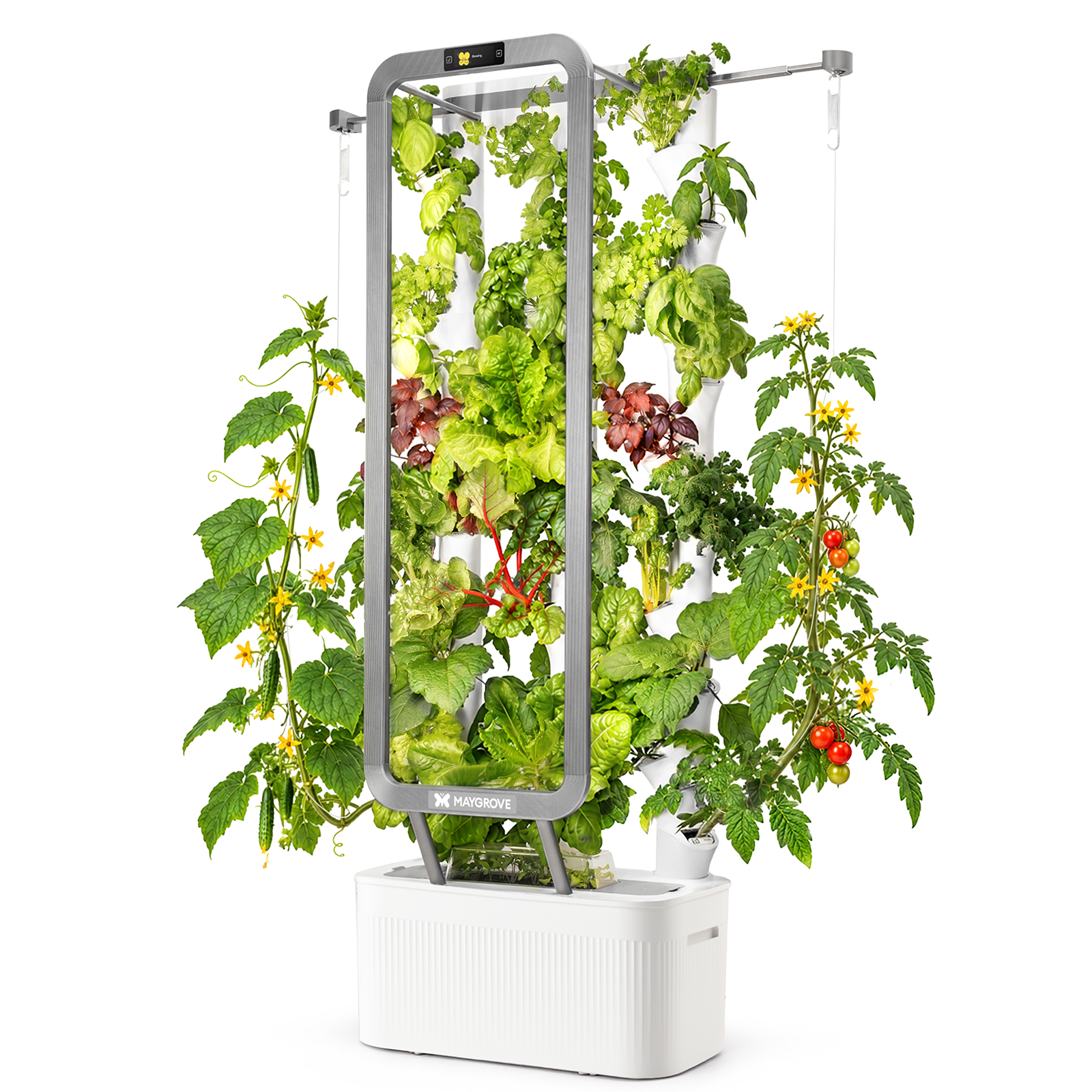
The Maygrove AI Growbot Verti 30 is designed for indoor hydroponic growing. The taco bowl kit pairs three varieties selected for this use:
- Cimmaron Romaine Lettuce × 4 pods
- Freckles Romaine Lettuce × 4 pods
- Tiny Tim Tomato × 4 pods
The combination brings together two leafy green varieties and one compact tomato variety. The goal is to provide ingredients for different stages of the growing cycle rather than expecting every plant to be ready for harvest at the same time.
What Can You Harvest from the Kit?
Romaine lettuce and tomatoes develop on different schedules, so your harvest will change as the plants grow.
| Growing Stage | Approximate Timing | What to Expect |
|---|---|---|
| Germination | Week 1 | Seeds begin to sprout under suitable conditions. |
| Seedling growth | Weeks 2–3 | Young plants establish roots and develop their first true leaves. |
| Vegetative growth | Weeks 4–6 | Romaine plants produce more leaves, while tomato plants develop additional foliage. |
| Flowering and fruit development | Weeks 7–9 | Tomato flowers may open, followed by fruit development if pollination and growing conditions are suitable. |
| Early harvest window | Weeks 8–10 and beyond | Some lettuce leaves may be ready for harvest, while tomato fruits may still need time to mature. |
Important: These are approximate planning estimates, not guaranteed harvest dates. Actual timing depends on germination, light intensity, temperature, nutrient balance, plant health, and the growing environment. Romaine may be ready for baby-leaf harvesting before full heads develop, and tomatoes may take longer than the initial estimate to produce ripe fruit.
How Many Taco Bowls Can You Make from One Harvest?
The number of taco bowls you can make depends on the amount of lettuce and tomatoes harvested, the size of each serving, and how frequently the plants produce usable leaves and fruit.
A single harvest may contribute ingredients to several meals, but six to ten taco bowls should be treated as a potential estimate rather than a guaranteed yield. The kit's pod count alone cannot determine the number of servings because plant growth and harvest quantities vary.
For the recipe above, each bowl uses approximately 30 g of romaine lettuce and 30 g of tomatoes if the listed ingredients are divided evenly between two servings.
If your first lettuce harvest is small, use it as a fresh topping alongside store-bought greens. As the plants mature, you may be able to use more homegrown produce in each bowl.
Tips for Making Better Taco Bowls
A few simple techniques can improve the flavor, texture, and convenience of homemade taco bowls.
Keep the Ingredients Separate Until Serving
Place the lettuce at the bottom of the bowl and add the warm ingredients on top. Add avocado, fresh tomatoes, cheese, cilantro, and lime juice near the end to preserve their texture and flavor.
Season Each Component
Seasoning only the beef can leave the beans and corn tasting bland. Add a little taco seasoning to the beans or corn, or finish the bowl with salsa to distribute flavor more evenly.
Balance Rich and Fresh Flavors
Beef, cheese, and avocado provide rich flavors, while romaine, tomatoes, cilantro, and lime add freshness. A good taco bowl balances both rather than relying entirely on heavy toppings.
Prepare Ingredients Ahead of Time
Cook the beef and prepare the beans and corn in advance. Store cooked ingredients safely in the refrigerator, then wash and chop the lettuce and dice the avocado when you are ready to eat.
Keep fresh produce separate from warm components until assembly to help preserve its texture.
Frequently Asked Questions
What should I put in a taco bowl?
A basic taco bowl includes a protein such as ground beef or chicken, romaine lettuce, black beans, corn, tomatoes, avocado, cheese, and a flavorful dressing or topping. Lime juice, cilantro, and salsa are easy additions that bring the ingredients together.
What vegetables are best for taco bowls?
Romaine lettuce, tomatoes, corn, bell peppers, red onions, and avocado are popular choices. Romaine adds crunch, tomatoes provide juiciness, corn contributes sweetness, and avocado adds a creamy texture.
Can I grow taco bowl ingredients indoors?
Yes. Lettuce and suitable compact tomato varieties can be grown indoors when they receive adequate light, nutrients, water, and appropriate environmental conditions. The Maygrove AI Growbot Verti 30 taco bowl kit includes Cimmaron Romaine Lettuce, Freckles Romaine Lettuce, and Tiny Tim Tomato for indoor hydroponic growing.
How long does it take to grow tomatoes indoors?
The timeline depends on the variety and growing conditions. For Tiny Tim tomatoes, an initial planning estimate may place flowering and early fruit development around weeks 7–9, but ripe tomatoes may take longer. Light, temperature, nutrients, pollination, and plant health all affect the timeline.
Can I harvest lettuce before the tomatoes are ready?
Yes. Romaine lettuce may be ready for leaf harvesting before the tomato plants produce ripe fruit. Harvest suitable outer leaves from established plants while leaving enough foliage for continued growth.
How many taco bowls can I make from homegrown lettuce and tomatoes?
It depends on your harvest size and the amount of produce used per bowl. A harvest may contribute to several meals, but the exact number cannot be guaranteed. You can supplement homegrown produce with store-bought ingredients until your plants produce more.
How do I help indoor tomato plants produce fruit?
Provide adequate light, suitable temperatures, and balanced nutrition. When flowers open indoors, gently tap or vibrate the flower clusters to help release pollen. Successful fruit set also depends on plant health and environmental conditions.
Are taco bowls healthy?
Taco bowls can be part of a balanced meal because they combine vegetables, protein, beans, and other nutrient-rich ingredients. Their overall nutritional profile depends on portion sizes, the type of protein, added cheese and sauces, and how the ingredients are prepared. For a lighter version, use lean protein, include plenty of vegetables, and adjust higher-calorie toppings to your preference.