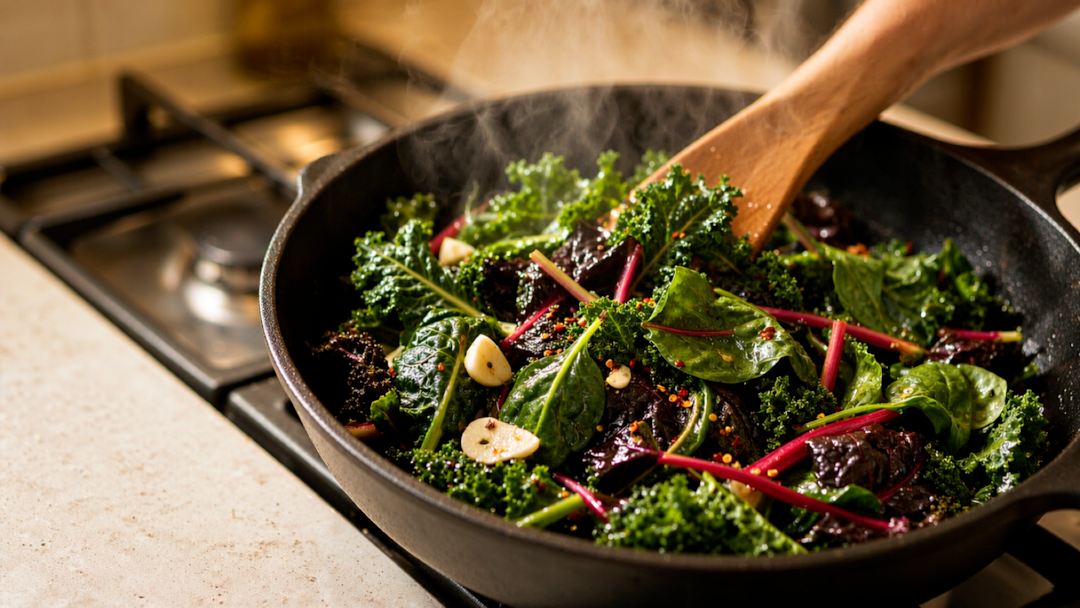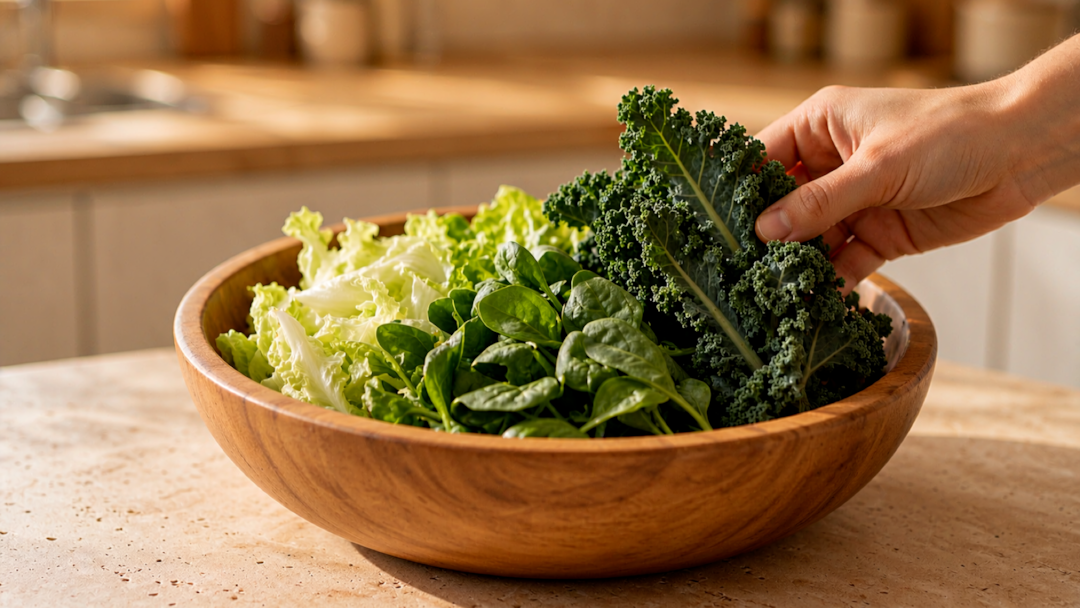
Not all salad greens provide the same nutritional benefits. Romaine lettuce offers a different nutrient profile from butterhead lettuce, while kale, Swiss chard, and arugula bring their own combinations of vitamins, minerals, and plant compounds to the bowl.
The good news is that you don't need to choose one “perfect” green to make a nutritious salad. Combining different leafy vegetables can help you enjoy a broader range of nutrients, flavors, and textures. The key is understanding what different greens offer and building a salad that includes a variety of ingredients.
In this guide, you'll learn what nutrient density means, which nutrients are commonly found in salad greens, how different varieties compare, and how to build a more nutrient-diverse salad using fresh ingredients.
What Does Nutrient Density Mean?
Nutrient density describes how much of a food's nutritional value it provides relative to its calorie content. A nutrient-dense food supplies useful amounts of vitamins, minerals, fiber, or other beneficial components without contributing a large number of calories.
Many leafy greens fit this description. They contain plenty of water, are generally low in calories, and provide varying amounts of essential nutrients.
However, nutrient density is not the same as having the highest possible amount of every nutrient. A green that provides plenty of vitamin K may not provide as much vitamin C as another variety. One that is rich in certain carotenoids may contain less of another nutrient.
Several factors influence the nutritional value of salad greens:
- Plant variety: Romaine, arugula, kale, and Swiss chard have different nutrient profiles.
- Leaf color: Green, red, and purple pigments can reflect differences in plant compounds, although color alone cannot determine nutritional value.
- Growing conditions: Light, temperature, soil or nutrient availability, and plant maturity can influence nutrient composition.
- Freshness and storage: Nutrient levels can change during storage, particularly for some vitamins.
- Serving size: The amount you actually eat matters as much as the nutrient concentration of an individual leaf.
A varied salad is often a practical way to obtain different nutrients without focusing too heavily on a single vegetable.
Key Nutrients Found in Salad Greens
Leafy vegetables can contribute several important nutrients to everyday meals. The exact amounts depend on the variety, serving size, and preparation method.
Vitamins A, C, and K
These vitamins are among the most notable nutrients found in leafy greens, although their concentrations vary considerably.
Vitamin A
Many leafy greens contain carotenoids, including beta-carotene, that the body can convert into vitamin A. Vitamin A supports normal vision, immune function, and the maintenance of healthy skin and other tissues.
Kale, Swiss chard, and darker leafy vegetables can provide substantial amounts of provitamin A carotenoids. Romaine and red-leaf lettuce also contribute carotenoids, although amounts differ by variety.
Vitamin A is fat-soluble, so including a source of dietary fat in your salad dressing can help your body absorb carotenoids from the greens.
Vitamin C
Vitamin C supports normal immune function, collagen formation, and iron absorption. Some leafy vegetables provide useful amounts, but levels vary and can decline during storage.
Kale and watercress can contribute vitamin C. Lettuce also provides some, although it is generally not as concentrated a source as certain other vegetables.
To preserve quality, refrigerate fresh greens promptly and avoid storing them for longer than necessary.
Vitamin K
Vitamin K plays an important role in normal blood clotting and bone metabolism. Many leafy greens are excellent dietary sources.
Kale, collard greens, Swiss chard, and several types of lettuce provide vitamin K. Arugula and other leafy vegetables also contribute varying amounts.
People taking warfarin or certain other vitamin K-sensitive anticoagulants should follow their healthcare professional's advice about maintaining a consistent vitamin K intake rather than making sudden, substantial changes to their consumption of leafy greens.
Folate and Other B Vitamins
Folate, also known as vitamin B9, helps the body make DNA and supports normal cell division. It is particularly important during periods of rapid growth and during pregnancy.
Many leafy greens contribute folate, including romaine lettuce, spinach, kale, and other dark green vegetables.
Other B vitamins help the body use energy from food and support normal cellular functions. However, salad greens are not equally rich in every B vitamin, so they should be considered part of a varied diet rather than a complete source of the entire B-vitamin group.
Adding a mixture of leafy greens to meals can help increase dietary variety. Pairing them with beans, whole grains, eggs, or other nutrient-rich foods can make a meal more nutritionally comprehensive.
Fiber and Minerals
Salad greens contain dietary fiber, which supports normal digestion. They also contribute minerals, including potassium, calcium, and magnesium, in amounts that vary by variety.
Some greens provide more of particular minerals than others. For example, kale and collard greens can supply calcium, while leafy vegetables also contribute potassium and magnesium.
However, the amount of a mineral listed in a food does not always equal the amount your body absorbs. Some vegetables contain compounds that affect mineral absorption. Spinach, for instance, contains oxalates that can reduce calcium absorption from the food.
Salad greens also provide water, helping contribute to overall fluid intake.
Although a typical salad may not supply large amounts of every nutrient, eating leafy vegetables regularly can help support a balanced eating pattern.
Which Salad Greens Provide Different Nutrients?
The best salad greens for your diet depend on the nutrients, flavors, and textures you want to include. Some varieties are mild enough to form the base of a large salad, while others offer stronger flavors or more concentrated amounts of certain nutrients. Want the whole comparison in one glance? What nutrients do leafy greens provide includes a green-by-green quick-reference table with standout nutrients, flavors, and best uses.
Romaine and Butterhead Lettuce
Romaine and butterhead lettuce are both useful salad bases, but they differ in texture and leaf structure.
Romaine lettuce has elongated leaves with a crisp central rib. It provides folate, vitamin K, and carotenoids, including beta-carotene. Its firm texture makes it a good choice for chopped salads and recipes with creamy dressings.
Butterhead lettuce, including Summer Bibb and All Year Round Butterhead, has soft, rounded leaves and a mild, buttery texture. It contributes water, folate, vitamin K, and other nutrients, although the amounts vary by variety.
Romaine is a practical option when you want crunch, while butterhead lettuce works well in salads that emphasize tenderness.
Examples worth exploring include:
- Cimmaron Romaine Lettuce: A red-tinged romaine type that adds color and crisp texture.
- Freckles Romaine Lettuce: A distinctive romaine type with mottled coloring.
- Summer Bibb Lettuce: A tender lettuce suitable for fresh salads.
- All Year Round Butterhead Lettuce: A butterhead type with soft leaves.
These varieties can make a salad more visually interesting, but a distinctive appearance does not automatically mean a particular cultivar is more nutritious. Nutrient composition depends on the plant's characteristics and growing conditions.
Dark and Red Leaf Lettuce
Red Sails, Ruby Red, Super Red Romaine, and Lollo Rosso are examples of colorful greens that can add visual variety to a salad.
Red and purple leaf colors often come from anthocyanins, a group of plant pigments with antioxidant activity. Green leaves contain chlorophyll, while many also contain carotenoids.
These pigments are associated with different plant compounds, but color alone is not a reliable measure of a vegetable's total nutritional value.
Red leaf lettuce is generally tender and mild, making it easy to combine with other greens. Red Sails and Ruby Red can add color to a mixed salad, while Super Red Romaine offers the texture of romaine with deeper red pigmentation.
Lollo Rosso has tightly frilled red leaves that create volume and visual contrast. Black Seeded Simpson, a loose-leaf lettuce with light green leaves, offers a milder-looking alternative for balancing darker varieties.
For a colorful salad, combine one or two red-leaf varieties with green lettuce. This adds visual variety while giving you different textures and flavors.
Arugula, Mizuna, and Other Peppery Greens
Peppery greens can add flavor and nutritional variety without requiring a large amount of additional ingredients.
Arugula has a distinctive peppery taste. It provides vitamin K, folate, and other micronutrients, making it a useful addition to mixed salads. Its flavor works especially well with citrus, pears, tomatoes, and olive oil.
Mizuna has finely divided leaves and a mild peppery flavor. It is a member of the mustard family and can contribute vitamins and minerals while providing a different texture from conventional lettuce.
Endive has a slightly bitter flavor that can balance rich dressings, sweet fruit, or creamy cheese.
Watercress has a fresh, peppery character and provides vitamin K and vitamin C, among other nutrients.
Red tatsoi has dark, spoon-shaped leaves and a mild mustard-like flavor. Its tender leaves can be used in mixed salads when harvested young.
These greens are especially useful when you want to build a salad around flavor as well as nutrition. You don't need large quantities of every variety. A small amount of arugula, mizuna, or watercress can add a noticeable flavor contrast to a base of mild lettuce.
Kale, Collard Greens, and Swiss Chard
Kale, collard greens, and Swiss chard are often considered more substantial leafy vegetables than delicate salad lettuces. They can contribute a range of vitamins, minerals, and plant compounds, but their texture and flavor differ.
Kale provides vitamins K and C, carotenoids, and other nutrients. Its leaves are firm and can have a stronger, earthier flavor than lettuce. Young, tender kale leaves can be added to salads, while larger leaves may benefit from being sliced thinly and gently massaged with dressing.
Collard greens have large, sturdy leaves and provide vitamins K and A precursors, folate, and other nutrients. Mature collard leaves can be tough for a conventional raw salad, so thin slicing or cooking may be more suitable depending on the recipe.
Swiss chard has colorful stems and broad leaves. It provides vitamin K, provitamin A carotenoids, and other nutrients. Young leaves can be used in salads, while larger leaves are often better suited to cooked dishes.
These vegetables can add nutritional variety to your meals, but they do not have to replace lettuce entirely. A blend of tender lettuce and a smaller amount of kale or young Swiss chard can provide a balance of texture and flavor.
People who have been advised to limit oxalate intake should also consider that Swiss chard is relatively high in oxalates and follow individualized dietary guidance.
Does Leaf Color Affect Nutrient Content?
Leaf color can provide clues about the plant compounds a vegetable contains, but it cannot tell you everything about its nutritional value.
Green leaves contain chlorophyll, the pigment plants use to capture light for photosynthesis. Many leafy greens also contain carotenoids, including lutein, zeaxanthin, and beta-carotene.
Red and purple leaves often contain anthocyanins, which contribute to their distinctive coloring. Some red lettuces, such as Ruby Red and Lollo Rosso, combine red pigmentation with green areas.
However, a darker or more colorful leaf is not automatically more nutritious in every respect.
Consider these differences:
- Dark green kale is often rich in vitamins K and C and provitamin A carotenoids.
- Romaine contributes folate, vitamin K, and carotenoids.
- Red-leaf lettuce adds anthocyanin pigments while providing other nutrients found in lettuce.
- Arugula contributes vitamin K and folate while offering a peppery flavor.
- Watercress provides vitamin K and vitamin C.
Each plant has a different nutrient profile. Comparing vegetables by just one vitamin or by color alone can overlook other important differences.
A practical strategy is to choose greens with different colors, flavors, and leaf structures. Variety makes salads more interesting and can help you obtain a broader range of plant nutrients over time.
How to Build a More Nutrient-Diverse Salad
A nutrient-diverse salad combines greens with different characteristics rather than relying on a single variety.
You can start with a simple three-part approach.
1. Choose a Leafy Base
Begin with two or more cups of a mild green, such as romaine, butterhead, or loose-leaf lettuce.
The base provides volume and makes the salad easy to eat. If you prefer a crunchy salad, choose romaine. For a softer texture, try Summer Bibb or another butterhead variety.
2. Add a Dark or Colorful Green
Mix in a smaller portion of kale, red-leaf lettuce, Swiss chard, or another leafy vegetable.
For example, green lettuce with Ruby Red lettuce creates visual contrast, while a little young kale adds a sturdier texture.
You do not need to include every available variety. Two or three compatible greens are enough to make a useful combination.
3. Include Other Nutrient-Rich Ingredients
Leafy vegetables are only one part of a balanced salad. Additional ingredients can provide nutrients that greens supply in smaller amounts.
| Ingredient | What It Adds | Example |
|---|---|---|
| Bell peppers | Vitamin C and color | Sliced red or yellow pepper |
| Tomatoes | Vitamin C, potassium, and carotenoids | Cherry tomatoes |
| Chickpeas or beans | Protein, fiber, and folate | Roasted chickpeas or cooked beans |
| Nuts and seeds | Unsaturated fats and minerals | Pumpkin seeds or walnuts |
| Eggs or tofu | Protein and other nutrients | Sliced hard-boiled egg or cubed tofu |
| Olive oil dressing | Unsaturated fat that helps with carotenoid absorption | Lemon and olive oil vinaigrette |
A small amount of dressing containing unsaturated fat can help your body absorb fat-soluble carotenoids from leafy greens. You don't need a heavy dressing to get this benefit.
For example, combine romaine, red-leaf lettuce, a handful of arugula, cherry tomatoes, chickpeas, and a lemon-olive oil dressing. This creates a mix of leafy vegetables, protein, fiber, and other nutrients while keeping the preparation simple.
Remember that the nutritional quality of a salad depends on the whole meal. Adding a variety of greens is helpful, but it is not a substitute for eating a broad range of foods throughout the day.
Does Growing and Harvesting Fresh Greens Affect How You Use Them?
Growing salad greens at home can make it easier to include a variety of leafy vegetables in your meals. You can choose the varieties you enjoy, harvest smaller quantities, and combine them according to your recipe.
Freshness can affect both the eating experience and how you use your greens. Leaves harvested shortly before a meal may have a crisp texture and appealing flavor, although nutrient levels also depend on growing conditions, maturity, handling, and storage.
If you grow greens at home, keep these practical points in mind.
Choose varieties for both flavor and use. Romaine and loose-leaf lettuce are useful for everyday salads, while arugula and mizuna add a peppery note. Kale and Swiss chard offer different textures and can be used in salads or cooked meals.
Harvest carefully. Use clean hands or tools and avoid damaging healthy leaves unnecessarily. For many loose-leaf varieties, harvesting mature outer leaves while leaving the growing point intact can allow the plant to continue producing.
Wash greens before eating. Rinse them under clean running water and remove damaged leaves. Homegrown produce should not be assumed to be free of contamination simply because it was grown indoors.
Store leaves properly. Dry washed greens thoroughly, refrigerate them promptly, and use them while they remain fresh. Excess water can encourage deterioration, while leaving leaves exposed to dry refrigerator air can cause wilting.
Grow what you actually eat. If you make salads several times a week, start with lettuce and one or two complementary greens. You can expand your selection as you learn which varieties grow well in your space.
An indoor growing system such as the Maygrove AI Growbot Verti 30 can help make fresh leafy greens more accessible in a compact space. Its automated growing functions and app-based monitoring are designed to simplify aspects of indoor plant care, making it an option for people who want to harvest suitable greens for everyday meals.
The most useful growing plan is one that matches your cooking habits. A steady supply of lettuce, arugula, or other suitable greens can make it easier to prepare fresh salads without needing to buy a large assortment of produce at once.
Frequently Asked Questions
Are Darker Salad Greens More Nutritious?
Darker greens often contain higher concentrations of certain nutrients or plant compounds than some paler varieties, but this is not a universal rule.
Kale, for example, can provide substantial amounts of vitamins K and C and provitamin A carotenoids. Pale butterhead lettuce has a different nutrient profile, but it still contributes water, folate, vitamin K, and other nutrients.
Red and purple leaves contain pigments such as anthocyanins, but color alone cannot determine the total nutritional value of a vegetable.
Rather than choosing greens based only on color, include several types in your diet. A mix of leafy vegetables can provide a broader range of nutrients and make meals more enjoyable.
Which Salad Greens Are Good Sources of Vitamin K?
Many leafy greens provide vitamin K, including kale, collard greens, Swiss chard, romaine lettuce, arugula, and watercress.
The amount varies by plant, serving size, and preparation. Kale and collard greens are often particularly rich sources, while lettuce and other salad greens can also contribute meaningfully to daily intake.
If you take warfarin or another medication affected by vitamin K, consult your healthcare professional about maintaining a consistent intake of vitamin K-rich foods.
Can Different Greens Provide Different Nutrients?
Yes. Different greens contain different combinations and amounts of vitamins, minerals, carotenoids, and other plant compounds.
For example, kale can provide substantial vitamin C and vitamin K, romaine contributes folate and carotenoids, and watercress provides vitamin C and vitamin K. Arugula offers its own combination of nutrients alongside its distinctive peppery flavor.
Combining greens is a practical way to increase dietary variety, but you do not need to use many types in every meal. Eating different vegetables across the week can also help broaden the range of nutrients in your diet.
The best salad greens are not necessarily one particular variety. Romaine, butterhead lettuce, red-leaf lettuce, arugula, kale, Swiss chard, and other leafy vegetables each offer something different. By combining greens with complementary flavors and adding ingredients such as beans, tomatoes, nuts, or a light olive oil dressing, you can create salads that are varied, satisfying, and rich in a range of nutrients.