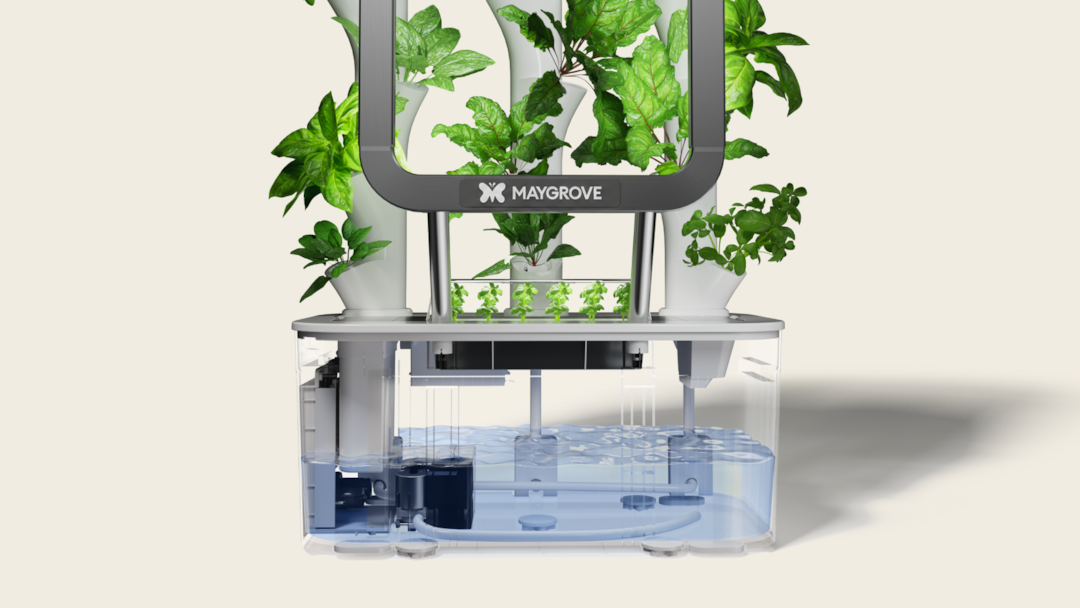
A hydroponic garden grows plants without soil by delivering a water-and-nutrient solution directly to the roots, while oxygen and light keep growth steady. Instead of roots searching through soil for food, you supply exactly what the plant needs, where it needs it—which is one reason hydroponic crops often mature faster than soil-grown ones.
The basics are simple enough to learn in an afternoon, but the details matter: nutrient strength, pH, oxygen around the roots, and light hours all decide whether plants thrive or stall. This guide walks through how a hydroponic garden works, what happens inside the system, which system types suit which spaces, and which tasks still need a human hand.
If you are still deciding whether indoor growing fits your home, start with our guide to indoor gardening for beginners, then come back here for the mechanics.
What Is Hydroponic Gardening?
Hydroponic gardening is the practice of growing plants in a nutrient solution rather than in soil. Roots may sit directly in oxygenated water, receive a thin flowing film of nutrients, or anchor in an inert medium such as clay pebbles or rockwool while the solution circulates around them.
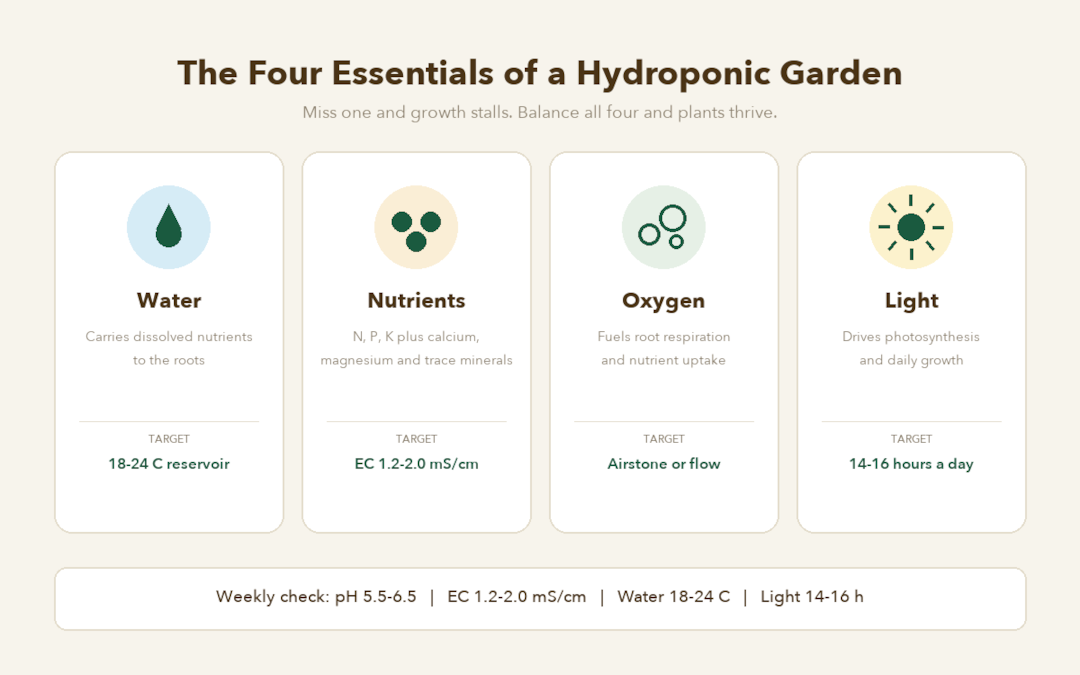
Every hydroponic garden, from a mason jar on a windowsill to a commercial greenhouse, depends on four inputs working together:
| Essential | What it does | Typical target |
|---|---|---|
| Water | Carries dissolved nutrients to the roots | Keep reservoir topped up; 18–24°C is ideal |
| Nutrients | Supply nitrogen, phosphorus, potassium, calcium, magnesium and trace minerals | EC 1.2–2.0 mS/cm for leafy greens and herbs |
| Oxygen | Fuels root respiration and nutrient uptake | Continuous circulation or an air stone |
| Light | Drives photosynthesis and therefore growth | 14–16 hours per day for leafy crops |
When these four are balanced, plants build roots, push new leaves, and eventually reach harvest. When one falls out of range, the symptom usually shows up somewhere else—weak stems, pale leaves, or roots that turn brown.
How Do Plants Grow Without Soil?
Soil does three jobs: it holds the plant upright, stores water and nutrients, and lets air reach the roots. Hydroponics replaces all three with plumbing, a growing medium, and a pump. Once those jobs are handled mechanically, the plant does not miss the soil at all.
Water and Nutrient Delivery
Roots absorb water and dissolved minerals through fine root hairs. In a hydroponic system, the nutrient solution carries the macronutrients—nitrogen, phosphorus, potassium, calcium, magnesium, and sulfur—plus micronutrients such as iron, manganese, zinc, boron, and copper.
Concentration is measured as electrical conductivity (EC). Leafy greens and herbs generally sit around 1.2–2.0 mS/cm, while fruiting crops such as tomatoes and peppers need a stronger solution, often 2.0–3.5 mS/cm. Too weak and growth stalls; too strong and water uptake reverses, pulling moisture out of the roots. Penn State Extension publishes detailed nutrient solution programs and recipes used in commercial production—useful context even if you never mix your own.
Oxygen Around the Roots
Roots respire around the clock, and they need dissolved oxygen to do it. In soil, air pockets between particles supply that oxygen. In water, oxygen has to be added deliberately—through an air stone and pump, a waterfall back into the reservoir, or repeated flood-and-drain cycles that pull fresh air into the root zone as the solution recedes.
Warm water holds less oxygen than cool water, which is why reservoir temperatures above roughly 24°C can suffocate roots even when the plants look well watered. This is the most common beginner mistake in deep water systems.
Light and Photosynthesis
Light is the energy source that turns carbon dioxide and water into sugars. Indoor gardens rely on a grow light, a bright window, or a combination of both, and the daily total matters more than the intensity at any single moment.
For leafy greens and herbs, 14–16 hours of light per day at roughly 200–400 PPFD is a practical target. Fruiting crops want more intensity and benefit from 16 hours during vegetative growth. A simple timer removes the guesswork and keeps results repeatable.
Root and Shoot Development
Roots and shoots grow in balance. A plant that is building a large canopy needs a root system able to keep up with the water demand, and a plant with damaged roots will stall no matter how much light it receives.
Healthy roots are white to cream, firm, and actively branching. Brown, slimy, or foul-smelling roots signal low oxygen or pathogens, and the fix is usually more aeration, cooler water, and a reservoir change.
What Happens Inside a Hydroponic System?
Different systems look different, but the plant's progression is similar across all of them:
- Germination. Seeds absorb water, split, and send out a first root. Rockwool cubes or pre-seeded pods handle this stage without soil.
- Seedling establishment. The first true leaves appear and roots expand into the medium. Light intensity can stay moderate for now.
- Vegetative growth. This is the bulk of the timeline: leaves, stems, and roots expand quickly, and nutrient and water demand peaks.
- Flowering and fruiting. Tomatoes, peppers, and cucumbers shift energy into flowers, then fruit. This stage needs the strongest light and, indoors, hand pollination.
- Harvest. Leafy crops are cut leaf by leaf or whole-head; fruiting crops are picked as they ripen to keep the plant producing.
Timelines vary by crop. Loose-leaf lettuce can be ready in 30–45 days from transplant, basil in 40–60 days, and tomatoes typically need 60–80 days before the first ripe fruit. Knowing the expected timeline is useful, because a plant that is far behind schedule is usually telling you something about light, nutrients, or root health.
What Are the Main Types of Hydroponic Systems?
Systems differ mainly in how they deliver water, nutrients, and oxygen to the roots.
| System type | How it works | Best suited for | Watch out for |
|---|---|---|---|
| Deep Water Culture (DWC) | Roots hang directly in an oxygenated reservoir | Lettuce, herbs, beginners | Needs an air pump; warm water holds less oxygen |
| Nutrient Film Technique (NFT) | A shallow film of solution flows continuously past the roots | Fast leafy crops, commercial setups | Pump failure dries roots quickly |
| Ebb and Flow | The tray floods periodically, then drains back to the reservoir | Seedlings, mixed crops | Timer reliability and drainage |
| Drip System | Solution drips onto each plant through emitters | Larger plants, long growing cycles | Emitters clog and need cleaning |
| Vertical / Tower | Plants are stacked in upright growing positions | Small indoor footprints | Uneven light and nutrient delivery at different heights |
University Extension programs publish practical, non-commercial comparisons of these designs—Illinois Extension's home hydroponics guide is a good example—which is helpful if you are weighing a DIY build against an integrated system.
How to choose: if you have a sunny windowsill and a small budget, DWC is the simplest entry point. If space is the limiting factor, a vertical system grows far more plants per square foot. If you want to start seedlings for a larger garden, ebb and flow is the most flexible.
How Does a Vertical Hydroponic Garden Work?
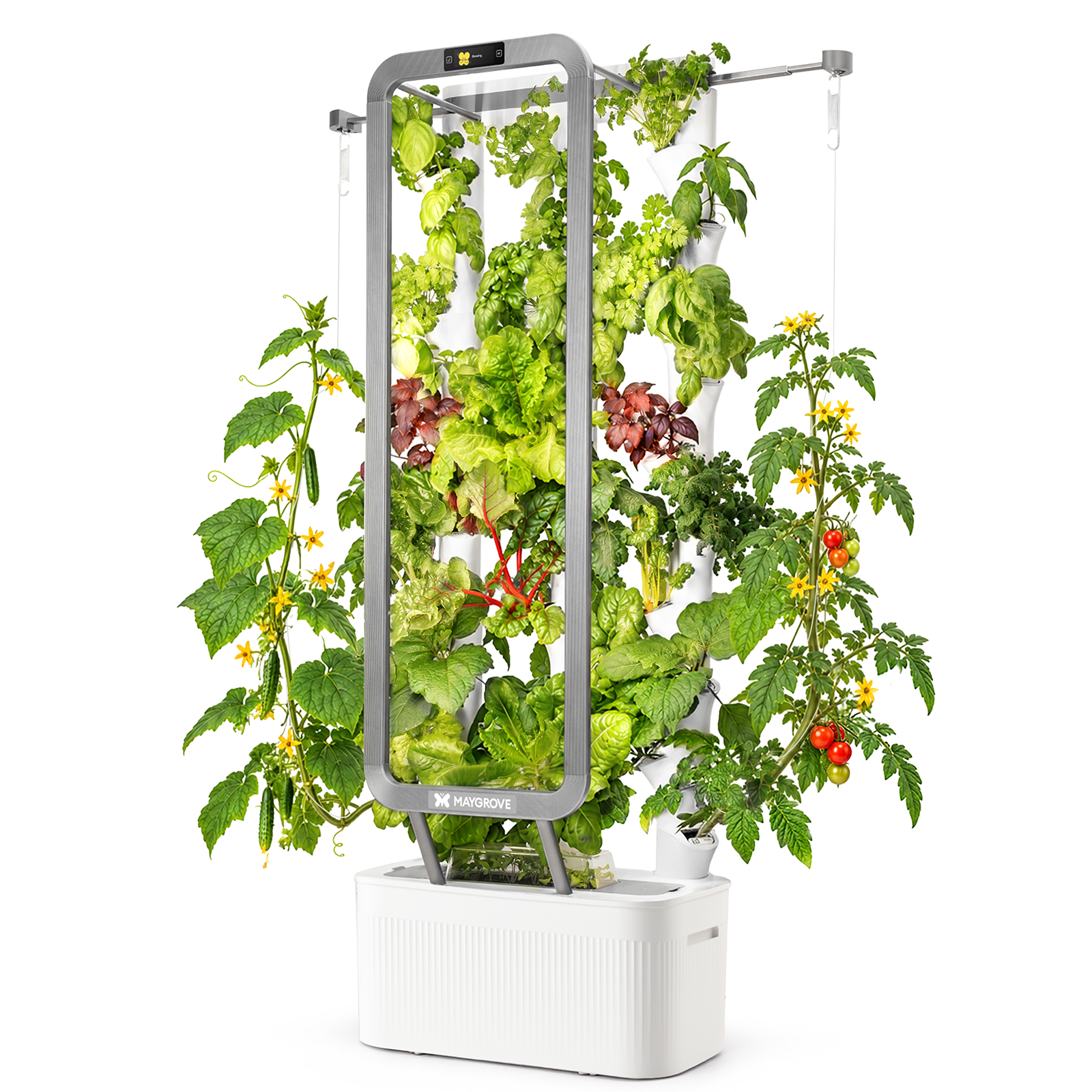
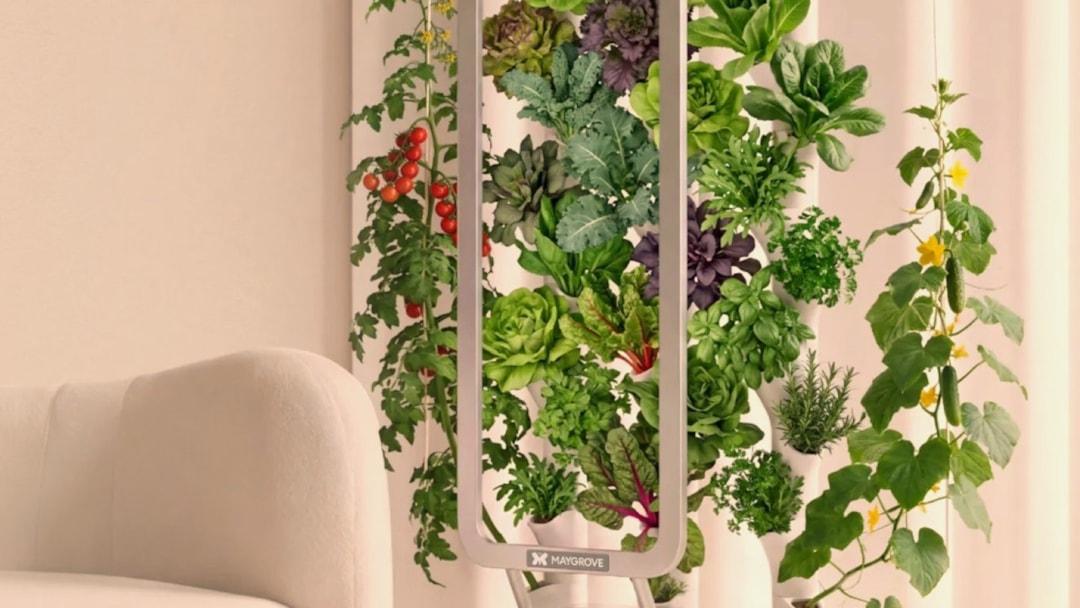
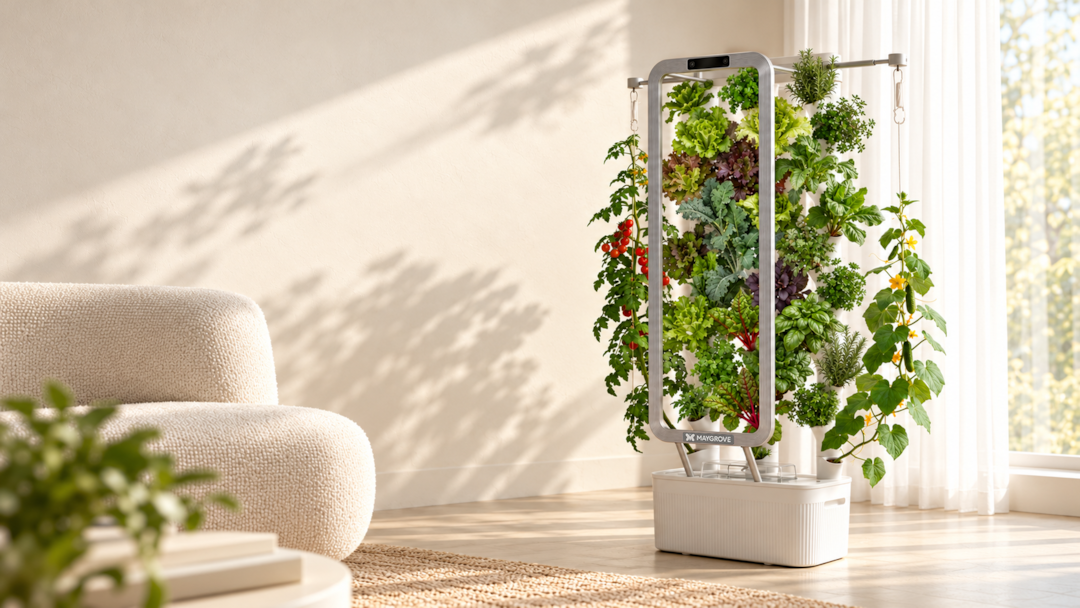
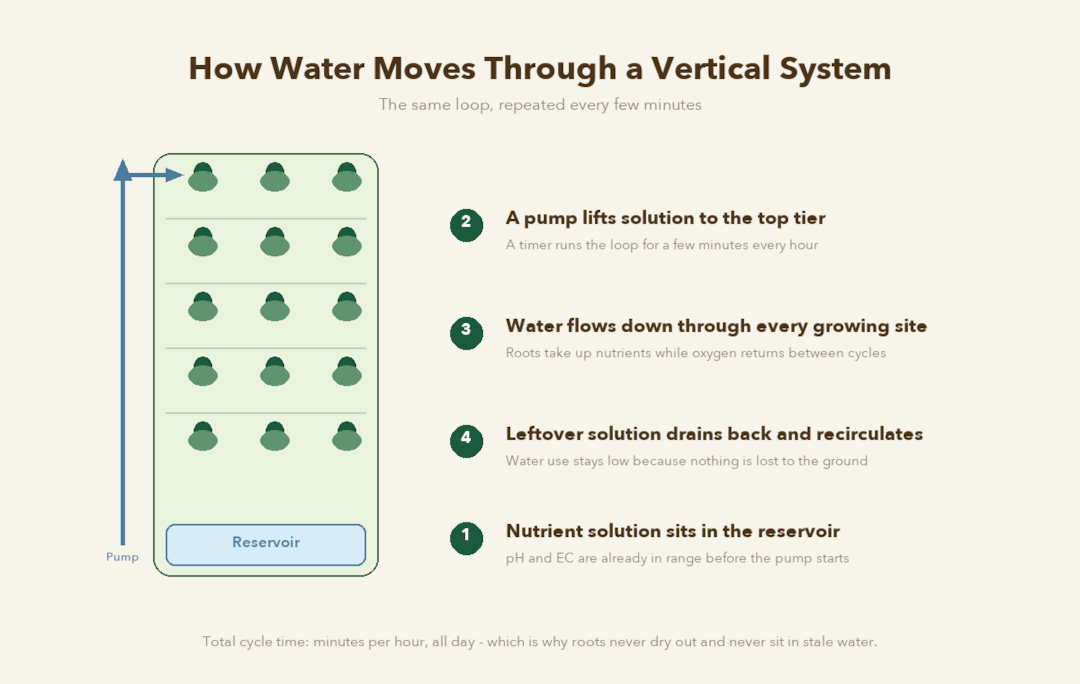
A vertical hydroponic garden arranges plants in stacked or upright positions instead of spreading them across a horizontal bed. Water and nutrients are pumped to the top of the structure, then flow down through the growing positions or are delivered to individual sites by the system's irrigation design.
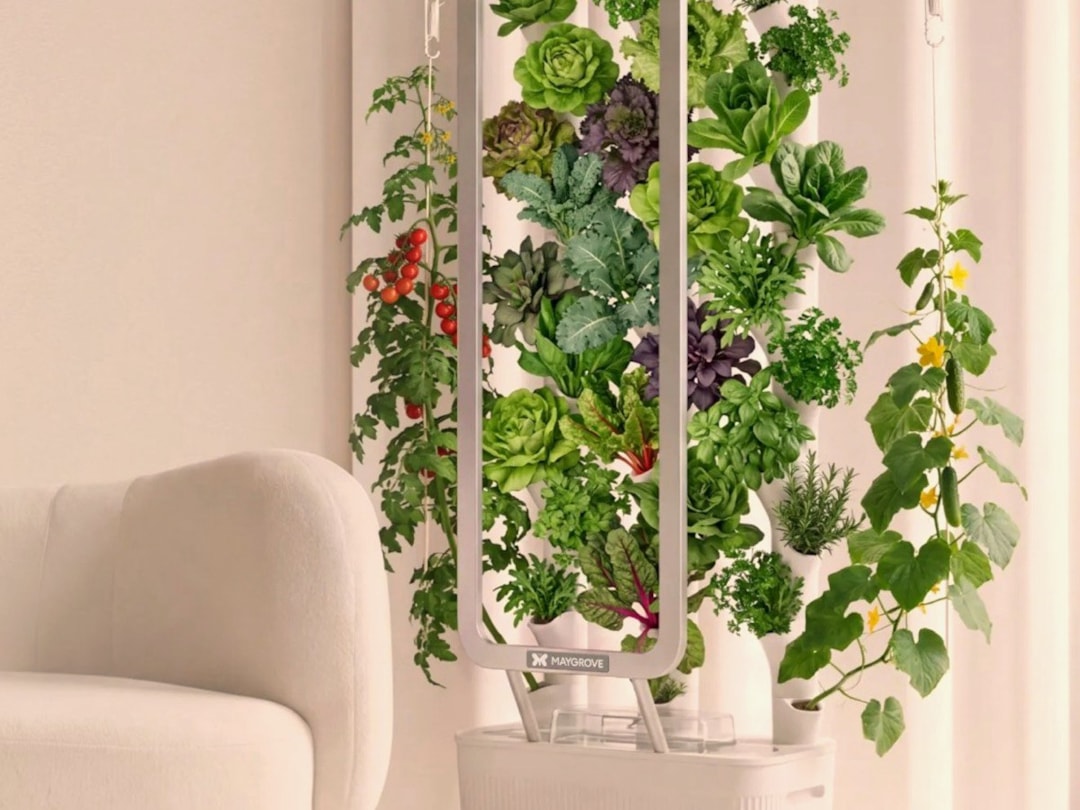
The appeal is footprint efficiency. A tower roughly 1.7 meters tall—about the height of a standard upper kitchen cabinet—can hold dozens of plants in the floor space of a single chair. In a kitchen or apartment, that changes what "growing your own food" can realistically look like.
Vertical growing also introduces its own constraints. Light has to reach plants at every height, not just the top tier. Roots at the bottom need the same oxygen as roots at the top. And water has to arrive consistently at every position, because a dry pocket three tiers up is easy to miss until the leaves wilt. Spacing matters too: crowding plants to fit more in reduces airflow and light to each one, so it helps to follow crop-specific plant spacing guidelines for vertical gardens.
How Do pH and Nutrients Affect Plant Growth?
Nutrients can be present in the reservoir and still be unavailable to the plant. pH controls that availability: when the solution drifts too far in either direction, certain minerals lock up chemically even though they are physically there.
| Parameter | Target range | Why it matters |
|---|---|---|
| pH | 5.5–6.5 | Outside this window, iron, calcium and magnesium become hard to absorb |
| EC | 1.2–2.0 mS/cm (greens, herbs) | Reflects total nutrient strength |
| Water temperature | 18–24°C | Warm water holds less dissolved oxygen |
| Light | 14–16 hours/day | Drives photosynthesis and daily growth |
Two measurements do most of the diagnostic work. pH tells you whether nutrients are reachable; EC tells you whether there are enough of them. Checking both weekly, and after every reservoir change, catches most problems before leaves show symptoms. If you ever want to mix your own solution rather than use a pre-formulated one, Penn State Extension explains how to calculate nutrient concentrations step by step.
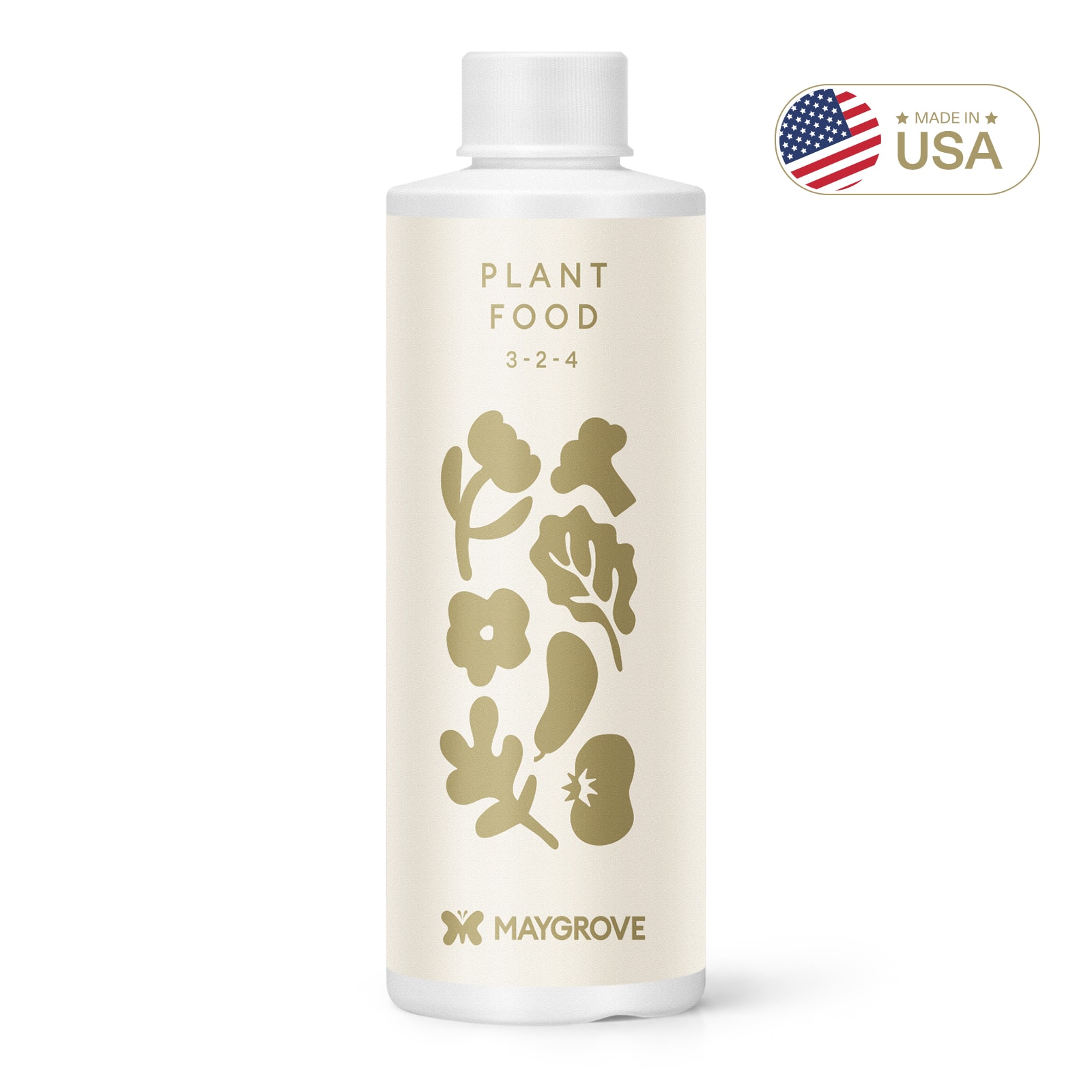
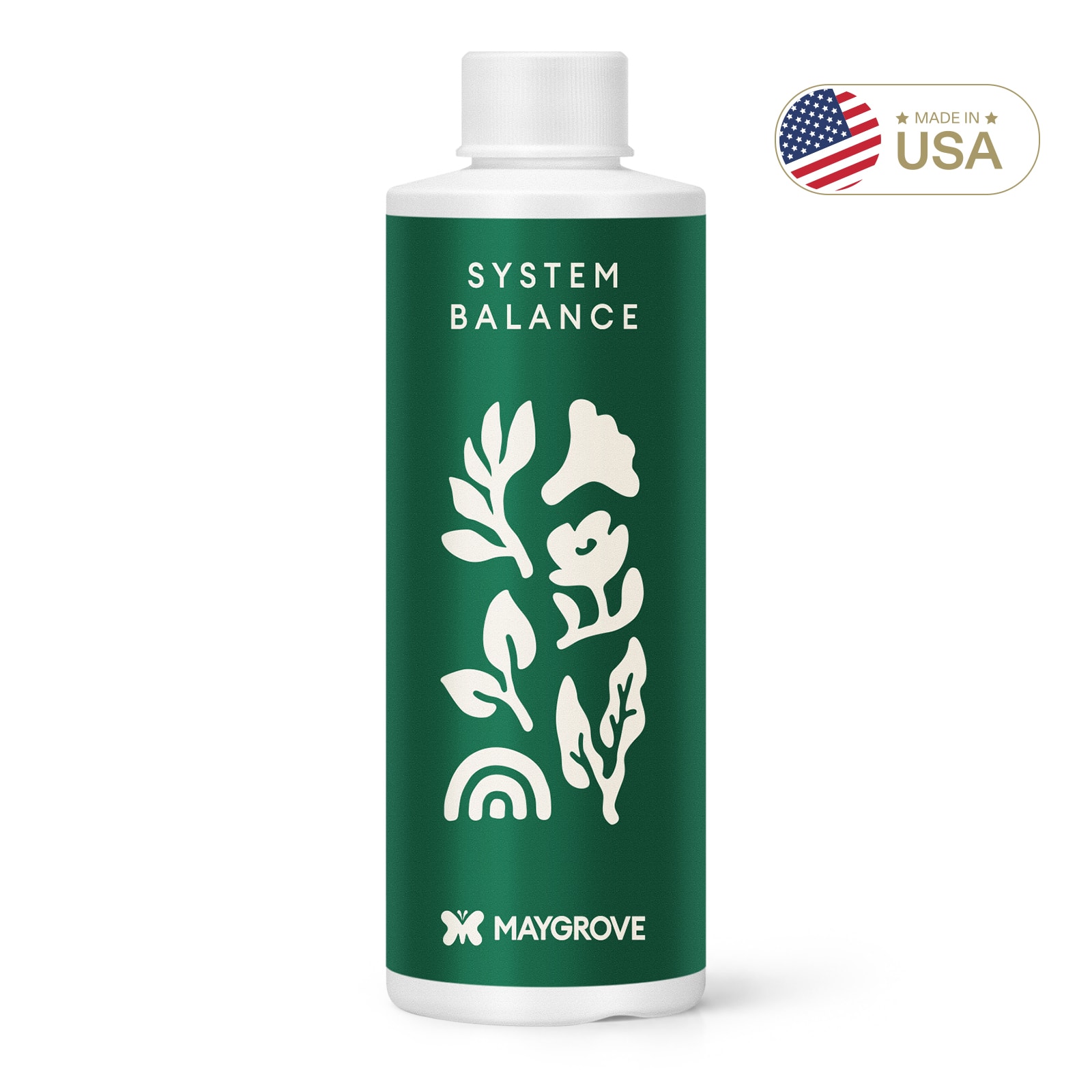
Most beginners never need to mix their own salts to hold those numbers. An all-in-one nutrient such as Maygrove Plant Food supplies the full range in a single bottle, so there are no separate parts to weigh or sequence, and Maygrove System Balance is formulated to help keep water conditions steady between reservoir changes. Dose both as the label directs, then let your weekly pH and EC readings, not the calendar, decide when to top up.
Hydroponic vs. Soil Gardening: How Do They Compare?
The two approaches solve the same problem in different ways.
| Hydroponic | Soil | |
|---|---|---|
| Growing medium | None, or an inert support such as clay pebbles | Potting mix or garden soil |
| Water use | Recirculated; typically far less per harvest | Drainage losses and evaporation |
| Growth speed | Often faster, thanks to steady nutrients and oxygen | Slower but more forgiving |
| Weeding | None | Regular |
| Soil-borne pests and disease | Largely avoided | Present, and hard to remove |
| Nutrient control | Precise, measurable, adjustable | Buffered by the soil, harder to read |
| Setup and monitoring | Requires equipment and weekly checks | Requires less equipment, more patience |
| Best season | Year-round indoors | Limited by outdoor weather |
Neither approach wins outright. Hydroponics rewards attention to measurements; soil rewards attention to living systems. Many home growers keep both—containers outside in summer, an indoor system for the months when outdoor growing stops. That second part is where an indoor hydroponic garden earns its place: fresh greens in January, from a corner of the kitchen.
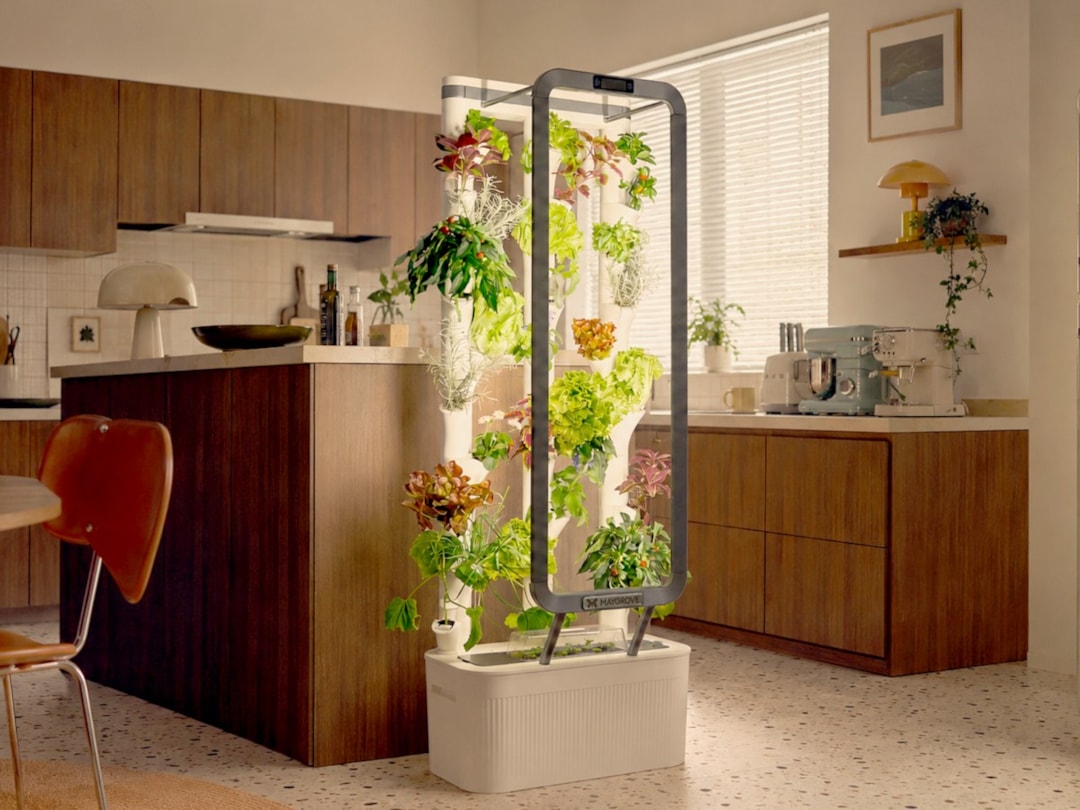
What Does the Maygrove AI Growbot Verti 30 Handle for You?
The manual version of everything above—checking pH, mixing nutrients, timing lights, catching a struggling plant before it declines—is exactly the part most beginners quit over. The Maygrove AI Growbot Verti 30 exists to absorb that workload into a single integrated system rather than a collection of separate components.
Automated lighting. Grow lights run on a consistent schedule matched to what the plants need, so daily light totals do not depend on whether you remembered to switch anything on.
Automated nutrient dosing and pH/EC management. The system monitors and adjusts solution strength and pH within the target window—one of the most error-prone tasks in manual hydroponics, and the one that decides whether a harvest happens on schedule.
App-based monitoring and Mavi. Mavi, the in-app planting assistant, reads the system's data and turns it into plain language—"warm and humid, adjusted to keep things stable," rather than a wall of sensor values—and flags problems such as yellowing leaves before they spread.
What that means in practice: you choose what to grow and harvest it at the right time, while the measurement loop runs itself.
What Still Requires Your Attention?
Automation removes routine monitoring, not responsibility. Even with a fully integrated system, these tasks stay with the grower:
- Choosing suitable crops. Pick varieties that match the system's light and space, and your own cooking. Our guide to what you can grow in an indoor garden covers the realistic list.
- Planting correctly. Follow the instructions for compatible MayPods, and do not overfill a site with multiple seedlings.
- Refilling and cleaning. Top up water, replace consumables, and clean the reservoir between cycles.
- Harvesting on time. Overripe or overgrown plants shade their neighbors and reduce the next harvest.
- Watching for symptoms. Pale leaves, stalled growth, or brown roots still need a human eye. Our diagnostic guide on yellow leaves in a hydroponic garden covers the usual causes in order of likelihood.
- Pollinating fruiting crops. Indoors there is no wind or insects, so tomatoes, peppers, and cucumbers need a little help—see how to pollinate tomatoes, peppers and cucumbers indoors.
Frequently Asked Questions
Do hydroponic plants need soil?
No. Soil provides structural support, water retention, and nutrient storage, and a hydroponic system supplies all three through the growing medium, the reservoir, and the nutrient solution. Plants need the elements soil delivers, not the soil itself.
How often should I change the nutrient solution?
Most home systems do a full reservoir change every two to three weeks, topping up water in between as plants drink. Change sooner if EC or pH keeps drifting, if the solution looks cloudy, or if the water temperature has been high.
Can you grow any vegetable hydroponically?
Most vegetables can be grown hydroponically, but not all are worth the space. Leafy greens, herbs, cherry tomatoes, peppers, cucumbers, and strawberries perform well. Large root crops such as potatoes and carrots, and big vining crops like pumpkins, are impractical in a home system.
How long does lettuce take to grow hydroponically?
Loose-leaf lettuce is typically ready 30–45 days after transplanting, and you can start cutting outer leaves earlier than that. Romaine takes longer, closer to 45–60 days. Harvesting leaf by leaf keeps the plant producing for weeks.
Is hydroponic produce as nutritious as soil-grown produce?
Nutrient content depends mainly on the crop, the variety, and how ripe it is at harvest—not on whether soil was involved. A hydroponic system that keeps nutrients in range delivers everything the plant needs to build the same tissue. The practical advantage is freshness: harvesting minutes before eating preserves vitamins that degrade in storage.
Why do hydroponic roots need oxygen?
Root cells respire constantly and need oxygen to release energy for growth and nutrient uptake. In soil, air fills the gaps between particles. In water, oxygen must be added through aeration or circulation—and because warm water holds less oxygen, high reservoir temperatures are a common cause of root decline.
What is the easiest hydroponic system for a beginner?
Deep water culture is the simplest to build and understand: a reservoir, a lid, a net pot, and an air stone. It suits lettuce and herbs especially well. Systems that automate pH and nutrient dosing remove the steepest part of the learning curve, which is why they tend to suit first-time growers better than a manual setup.
Do indoor hydroponic gardens attract pests or mold?
They avoid most soil-borne problems, but fungus gnats, aphids, and whiteflies can still arrive on new plants, and mold can develop in still, humid air. Good airflow, moderate humidity, and inspecting new plants before adding them prevent most issues.
Do you need to pollinate plants in an indoor garden?
Leafy greens and herbs do not need pollination. Fruiting crops—tomatoes, peppers, cucumbers—do, and indoors that usually means gently shaking or vibrating the flower clusters by hand every few days.
How much space does a vertical hydroponic garden need?
A tower about 1.7 meters tall occupies roughly the footprint of a chair while holding dozens of plants, so it fits in a kitchen corner, beside a window, or against a dining room wall. Check ceiling and cabinet clearance before choosing a spot.
Start Growing Fresh Food at Home
A hydroponic garden works because it delivers water, nutrients, oxygen, and light directly to the roots, in measurable amounts, without soil in the way. Learn those four variables and the rest—system choice, crop selection, harvest timing—becomes a series of small, solvable decisions.
Building your own setup is a genuinely useful way to learn the mechanics, though most beginners spend their first month chasing pH swings and pump timers before they harvest anything. An integrated system such as the Maygrove AI Growbot Verti 30 applies the same principles and automates the measurement loop, so the growing starts on day one instead of after a month of troubleshooting.
Either way, the first harvest is closer than it looks. Start with crops that forgive mistakes—lettuce, basil, mint—and expand once the rhythm is familiar.