Eating more vegetables is a practical way to increase your dietary fiber intake, and you don't need a backyard garden to get started. Several leafy greens and compact vegetables can grow indoors, giving you fresh ingredients for salads, soups, stir-fries, and everyday meals.
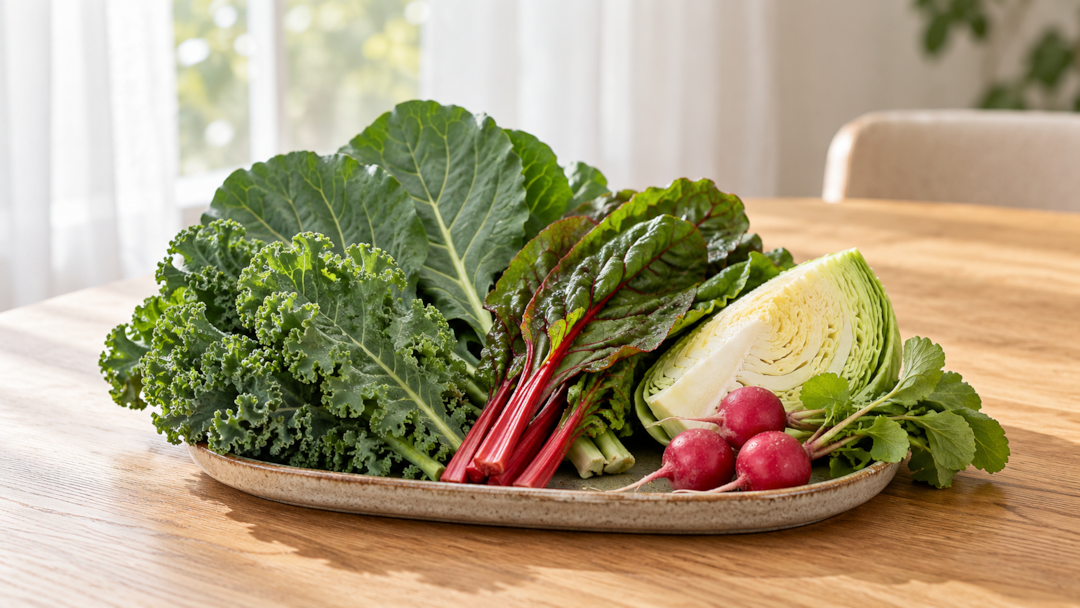
Kale, collard greens, Swiss chard, arugula, cabbage, and radishes each offer different amounts of fiber, along with vitamins, minerals, and other beneficial plant compounds. However, their fiber content varies by serving size and preparation method. Some are also easier to grow indoors than others.
This guide compares the fiber content of these vegetables, explains which are suitable for indoor gardening, and shares simple ways to include homegrown produce in a balanced, fiber-rich diet.
Why Dietary Fiber Matters
Dietary fiber is a type of carbohydrate found in plant foods that the body does not fully digest. It supports several aspects of digestive and metabolic health, making it an important part of a balanced diet.
There are two broad categories of dietary fiber:
- Soluble fiber: Dissolves in water to form a gel-like substance. It can help slow digestion and may help lower LDL cholesterol.
- Insoluble fiber: Helps add bulk to stool and supports regular bowel movements.
Many vegetables contain a mixture of both types, although the proportions vary. Eating a variety of plant foods is generally more useful than focusing on one vegetable or fiber type.
How Much Fiber Do You Need?
Fiber needs depend on age, sex, energy intake, and individual health considerations. As a general reference, the U.S. Food and Nutrition Board's adequate intake recommendations are:
| Group | Recommended Daily Fiber Intake |
|---|---|
| Women aged 19–50 | 25 g |
| Men aged 19–50 | 38 g |
| Women aged 51 and older | 21 g |
| Men aged 51 and older | 30 g |
These are general guidelines rather than individualized medical targets. Actual needs can vary, and some people may need tailored advice from a healthcare professional.
Vegetables can contribute meaningfully to your daily intake, but they do not need to supply all your fiber. Beans, lentils, whole grains, nuts, seeds, fruits, and other plant foods are also valuable sources.
Increasing fiber gradually and drinking enough water can help reduce gas, bloating, and other digestive discomfort.
Which Vegetables Provide Dietary Fiber?
The best vegetables for increasing fiber intake are not necessarily the ones with the highest fiber concentration per 100 grams. Portion size, how frequently you eat them, and whether they are served raw or cooked all affect how much fiber you get.
Here is how six vegetables compare.
Kale and Collard Greens
Kale and collard greens are nutrient-dense leafy vegetables that provide dietary fiber alongside vitamins, minerals, and other plant compounds.
Kale has sturdy leaves and a slightly earthy, sometimes peppery flavor. It works well in salads when thinly sliced and massaged with dressing, or cooked in soups, pasta dishes, and grain bowls.
Collard greens have large, firm leaves with a mild, earthy flavor. They are commonly cooked, making them a useful addition to soups, braised dishes, and vegetable sides.
Both vegetables can contribute fiber to a meal, but a small handful of raw leaves will generally provide less fiber than a larger serving of cooked greens.
For indoor gardeners, kale can be a practical leafy crop when the growing space provides sufficient light, root room, and airflow. Collard greens can also be grown in containers, but their large leaves and mature plant size make them less suitable for very small indoor gardens.
Best ways to eat them:
- Add thinly sliced kale to grain bowls.
- Blend a small amount of kale into a fruit smoothie.
- Cook collard greens into soups or bean dishes.
- Sauté either vegetable with garlic and olive oil.
Swiss Chard and Arugula
Swiss chard and arugula provide fiber but differ considerably in texture, flavor, and how they are best used.
Swiss chard has broad leaves and colorful stems, depending on the variety. Its mild, earthy flavor works well in cooked dishes. You can sauté the leaves, add them to soups, or mix them into scrambled eggs.
Arugula has tender leaves and a distinctive peppery flavor. It is especially useful in salads, sandwiches, wraps, and grain bowls, where a small handful can add flavor without requiring a large serving.
Arugula is generally more practical than mature Swiss chard for a compact indoor garden because it can be harvested as young leaves. Swiss chard can also grow indoors, but it needs adequate space and light to produce substantial leaves.
Neither vegetable should be treated as a complete source of daily fiber on its own. Pairing leafy greens with beans, whole grains, or seeds can make a meal more fiber-rich.
Best ways to eat them:
- Combine arugula with chickpeas and whole grains.
- Add Swiss chard to lentil soup.
- Toss either green into a warm grain bowl just before serving.
- Combine arugula with tomatoes, cucumbers, and a simple vinaigrette.
Cabbage and Radishes
Cabbage and radishes are useful options for adding crunch, variety, and fiber to everyday meals.
Cabbage is a relatively affordable vegetable that can be eaten raw or cooked. Green and red cabbage both contribute dietary fiber, although their nutritional profiles differ in some respects. Shredded cabbage works well in slaws, tacos, stir-fries, and soups.
Radishes provide a crisp texture and mildly peppery flavor. Cherry Belle is a familiar round, red radish variety. Radish roots can add variety to salads and grain bowls, while their edible leaves can also be used when fresh, clean, and in good condition.
Cabbage can be challenging in a small indoor setup because mature plants take up considerable space and require a longer growing period than many leafy greens. Radishes are often a more practical compact crop, provided their roots have enough depth and the growing medium is suitable.
Best ways to eat them:
- Shred cabbage into a salad with carrots and beans.
- Add sliced radishes to tacos or grain bowls.
- Stir-fry cabbage with tofu or other protein sources.
- Roast radishes for a milder flavor and softer texture.
How Much Fiber Do These Vegetables Provide?
The fiber content of vegetables varies with the variety, maturity, serving size, and preparation method. The following figures are approximate reference values for common raw vegetables, based on USDA FoodData Central entries. Specific varieties and prepared forms may differ.
| Vegetable | Approximate Fiber per 100 g, Raw | Practical Serving Idea |
|---|---|---|
| Collard greens | 4.0 g | 1 cup chopped raw leaves |
| Kale | 4.1 g | 1 cup chopped raw leaves |
| Swiss chard | 1.6 g | 1 cup chopped raw leaves |
| Arugula | 1.6 g | 2 cups raw leaves |
| Green cabbage | 2.5 g | 1 cup shredded |
| Radishes | 1.6 g | 1 cup sliced |
Nutrition values are approximate and should be checked against the specific food entry and serving size when precise tracking is important. A cup of chopped leaves does not weigh the same as a cup of sliced roots or shredded cabbage.
Several points are worth keeping in mind:
- Kale and collard greens are relatively fiber-rich leafy choices. They provide fiber along with other nutrients.
- Cabbage can contribute useful amounts of fiber. It is easy to add in larger portions to slaws, soups, and cooked meals.
- Arugula and Swiss chard still count. Their fiber contribution may be modest per serving, but they add variety and other nutrients.
- Radishes are best considered one part of a varied diet. They provide crunch and flavor, but a typical serving alone will not meet a large share of daily fiber needs.
Cooking can change a vegetable's weight and volume through water loss or absorption. For this reason, fiber values per 100 grams of raw and cooked vegetables are not always directly comparable.
If you track your daily fiber intake, use a nutrition database entry that matches the food's preparation state and the amount you actually eat.
Which Fiber-Rich Vegetables Can You Grow Indoors?
Indoor gardening can make fresh vegetables more accessible, particularly if you have limited outdoor space. However, not every vegetable is equally suited to every indoor growing system.
Before choosing crops, consider their mature size, light requirements, root development, growing time, and the amount you want to harvest.
Choosing Leafy Greens for Indoor Growing
Leafy greens are often the most practical starting point for indoor vegetable gardening because many varieties can be harvested for their leaves without waiting for a large fruit or root crop to develop.
Here is how the featured greens compare:
| Vegetable | Indoor Growing Suitability | Growing Considerations |
|---|---|---|
| Arugula | Very good for many indoor setups | Grows quickly under suitable conditions; harvest young leaves for a tender texture. |
| Kale | Good with sufficient light and space | Needs room for larger leaves; regular harvesting can encourage continued production. |
| Swiss chard | Good in a suitably sized system | Requires sufficient root space and light; harvest outer leaves as they mature. |
| Collard greens | Possible, but space-dependent | Large leaves and mature plant size can make compact setups challenging. |
| Cabbage | More challenging in small systems | Forms a substantial head and needs adequate space and a longer growing period. |
Arugula is a useful choice for beginners. It can provide harvestable leaves relatively quickly under suitable conditions, and its peppery flavor works in salads and cooked meals.
Kale is a good option if you want a recurring supply of leafy greens. Rather than removing the whole plant at once, harvest suitable outer leaves while allowing the central growing point to continue developing.
Swiss chard can provide a longer harvest period. Choose a system with enough space for the plant to develop broad leaves, and avoid overcrowding it with other crops.
Collard greens and cabbage may be better suited to larger containers or indoor gardens designed to accommodate bigger plants.
For any indoor crop, adequate light, balanced nutrition, suitable root-zone conditions, and airflow are essential. Indoor plants are not automatically healthier or easier to grow than outdoor plants; they still require appropriate care.
The Maygrove AI Growbot Verti 30 is one option for people who want to grow selected edible plants indoors. Its automated lighting, nutrient management, and app-based monitoring can help manage parts of the growing process. Crop suitability still depends on the system's growing space, supported crop types, and the mature size of each plant.
Easy Ways to Add Homegrown Vegetables to Meals
Growing vegetables is only part of the process. To increase fiber intake consistently, find simple ways to use the harvest in meals you already enjoy.
Salads and Grain Bowls
Salads are an easy way to combine several vegetables in one dish.
Start with a base of arugula, kale, or shredded cabbage, then add ingredients that provide additional fiber and texture.
For a more balanced bowl, combine:
- Two handfuls of leafy greens
- Chopped radishes or shredded cabbage
- Chickpeas, black beans, or lentils
- A serving of brown rice, quinoa, or another whole grain
- Nuts or seeds, if desired
- A dressing made with olive oil, lemon juice, and seasonings
The beans, lentils, and whole grains can contribute more fiber than the leafy greens alone. They also make the meal more substantial.
For kale salads, thinly slice the leaves and massage them briefly with a little dressing to soften their texture. Arugula can be added at the end so its tender leaves retain their freshness.
Soups, Stir-Fries, and Side Dishes
Cooking is another practical way to eat larger portions of vegetables.
Soups: Add chopped collard greens, kale, or Swiss chard to lentil soup, bean soup, or vegetable broth. Add delicate greens near the end of cooking to prevent them from becoming excessively soft.
Stir-fries: Combine shredded cabbage with tofu, mushrooms, or another protein source. Add seasonings and serve with brown rice or another whole grain.
Warm vegetable sides: Sauté Swiss chard with garlic and olive oil, or roast radishes with herbs and spices.
Wraps and sandwiches: Use arugula and shredded cabbage for extra crunch and flavor. Pair them with beans, hummus, eggs, or another protein source.
These meals can help you eat more vegetables without relying on salads alone. Varying the preparation methods also makes it easier to keep using your harvest throughout the week.
How to Increase Fiber Intake Through a Varied Diet
A fiber-rich diet is built from a range of plant foods rather than one particularly nutritious vegetable.
Use these practical strategies to increase fiber intake:
- Add vegetables to meals you already eat. Include leafy greens in eggs, soups, sandwiches, pasta, and grain bowls.
- Include beans and lentils regularly. Legumes are particularly useful sources of fiber and can be added to salads, soups, and main dishes.
- Choose whole grains more often. Oats, barley, brown rice, and whole-wheat products can help increase daily fiber intake.
- Eat whole fruits. Whole fruit generally provides more fiber than juice because the edible flesh and, where appropriate, skin remain intact.
- Include nuts and seeds. Chia seeds, flaxseeds, almonds, and other nuts and seeds can contribute fiber in appropriate portions.
- Increase intake gradually. Add fiber-rich foods over time and drink enough fluids to help your digestive system adjust.
- Prioritize variety and consistency. Eating moderate portions of different plant foods regularly is often easier to maintain than trying to get all your fiber from one food.
People with certain digestive conditions may need individualized guidance on the amount and type of fiber they tolerate. If increasing fiber causes persistent pain, significant bloating, or other concerning symptoms, consult a healthcare professional.
For general nutrition guidance, the USDA's MyPlate resources offer practical information about building balanced meals and including vegetables, fruits, whole grains, and other food groups.
Frequently Asked Questions
Which Vegetables Are Highest in Fiber?
Among the vegetables covered in this guide, kale and collard greens are relatively high in fiber per 100 grams when compared with arugula, Swiss chard, and radishes. Cabbage also provides a useful amount of fiber and is easy to include in larger servings.
However, the amount you eat matters. A generous serving of cabbage may contribute more total fiber than a few small leaves of kale. Beans, peas, and other legumes are also important options when you want to increase your overall fiber intake.
Can Leafy Greens Help You Increase Fiber Intake?
Yes. Leafy greens such as kale, collard greens, Swiss chard, and arugula contribute dietary fiber, vitamins, minerals, and other plant compounds.
Their fiber contribution depends on the type of green and the portion size. For a more substantial increase, combine leafy greens with beans, lentils, whole grains, vegetables, and other fiber-containing foods.
Can You Grow Fiber-Rich Vegetables in a Small Indoor Garden?
Yes. Arugula and some varieties of kale are practical choices for many small indoor gardens. Swiss chard may also work if the system provides sufficient room for its roots and leaves.
Radishes can grow indoors when the container or growing system provides enough root depth, but they are not suitable for every hydroponic setup. Cabbage and collard greens generally require more space as they mature.
Choose crops based on the actual capacity of your growing system, and make sure they receive adequate light, nutrients, and airflow.
Does Cooking Vegetables Reduce Their Fiber Content?
Cooking does not generally eliminate dietary fiber, although it changes a vegetable's texture, volume, and water content. Boiling and discarding cooking water can also cause losses of some water-soluble vitamins and minerals.
Steaming, sautéing, roasting, and adding vegetables directly to soups are all useful preparation methods. Choose the method that makes the vegetables enjoyable and easy to eat regularly.
Are Homegrown Vegetables Higher in Fiber Than Store-Bought Vegetables?
Not necessarily. Fiber content depends largely on the plant species, variety, maturity, and serving size rather than whether the vegetable was grown at home or purchased from a store.
The main advantage of growing vegetables at home is having convenient access to fresh ingredients and more control over the growing process. Harvesting what you need can also make it easier to include vegetables in everyday meals.
What Is the Easiest Fiber-Rich Vegetable to Grow Indoors?
Arugula is a practical starting point for many indoor gardeners because it grows as a leafy crop and can be harvested young. Kale is another useful choice if your setup provides enough light and space.
If you want to grow radishes, check that your container or growing system can accommodate their roots. Start with crops that match your available space and experience, then expand your selection as you learn what grows well.
Grow More Variety, One Harvest at a Time
Kale, collard greens, Swiss chard, arugula, cabbage, and radishes can all contribute to a fiber-rich eating pattern, but each serves a different purpose. Some are practical indoor leafy crops, while others need more space or specialized growing conditions.
The most effective approach is to combine homegrown vegetables with other fiber-rich foods, including beans, whole grains, fruits, nuts, and seeds. With a little planning, even a small indoor garden can supply fresh ingredients for salads, grain bowls, soups, and everyday meals.
Start with crops that fit your growing space, harvest them at the right stage, and build meals around the vegetables you enjoy eating. A varied diet and consistent habits matter far more than relying on any single crop.