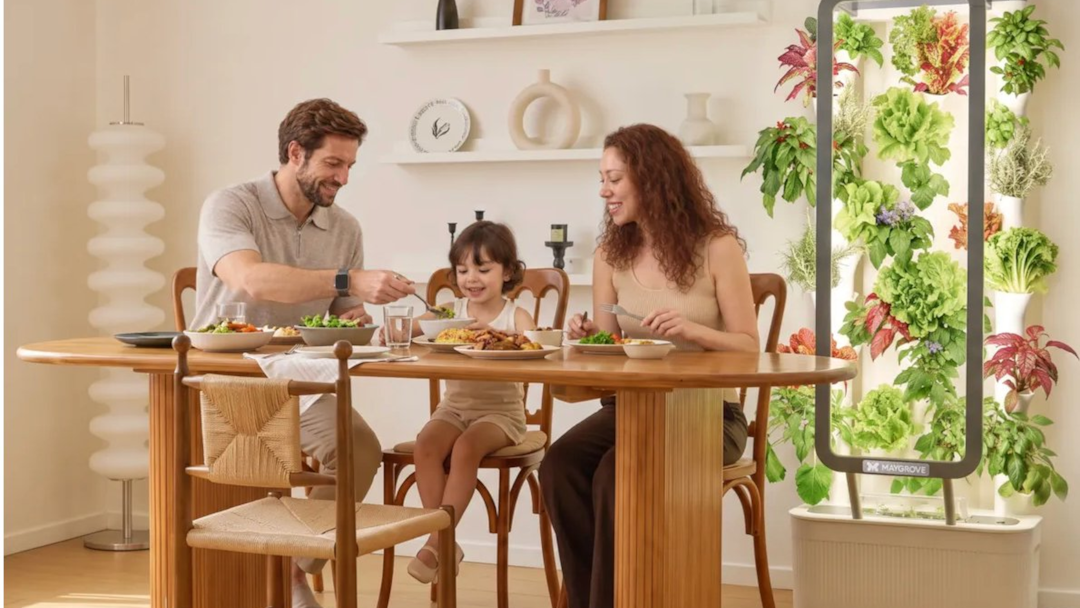
What if some of the food you eat every day could come straight from your own garden?
Imagine picking fresh lettuce for lunch, snipping basil for dinner, or harvesting a handful of tomatoes just when you need them. You know when they were harvested, how they were grown, and what went into caring for them. There's no need to buy a large bag of greens when you only need a few leaves, and no need to watch fresh herbs wilt in the refrigerator before you can use them.
Growing your own food is about more than convenience. It can help you build a closer relationship with what you eat, reduce avoidable food waste, make fresh ingredients more accessible, and teach children where food really comes from.
It also connects everyday choices at home to much bigger issues, including food security, agricultural resources, and environmental sustainability.
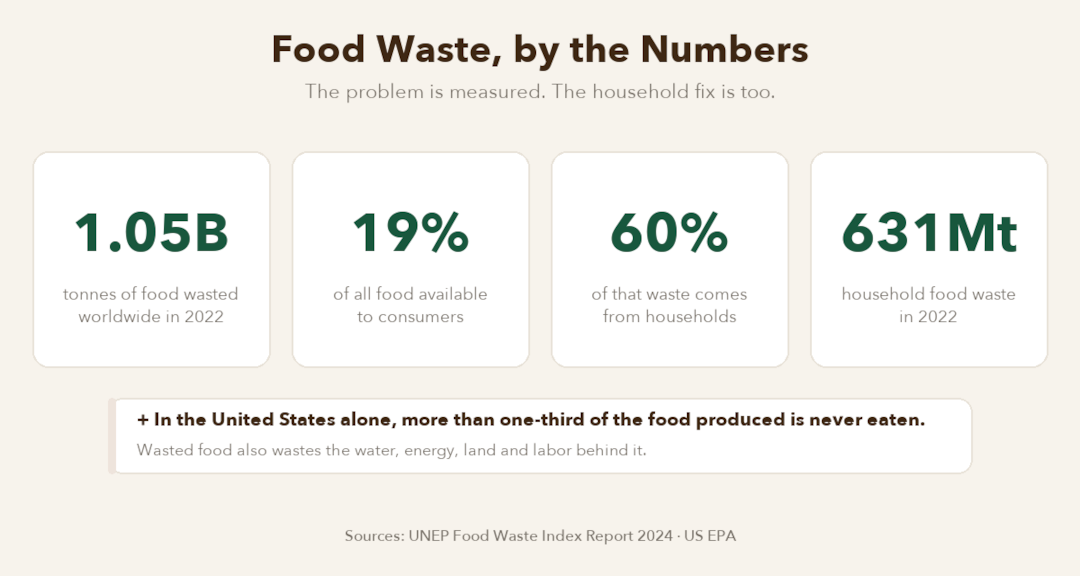
According to the United Nations Environment Programme (UNEP), the world wasted approximately 1.05 billion tonnes of food in 2022, equivalent to 19% of the food available to consumers at the retail, food-service, and household levels. Households accounted for around 60% of that waste.
These figures reveal an important opportunity: how we buy, grow, prepare, and use food matters.
Growing vegetables at home won't solve global food waste or food insecurity on its own. But it can help households become more intentional about food—and turn that awareness into everyday habits.
Here are eight reasons to grow your own food, whether you have a backyard, a balcony, or a small indoor growing space.
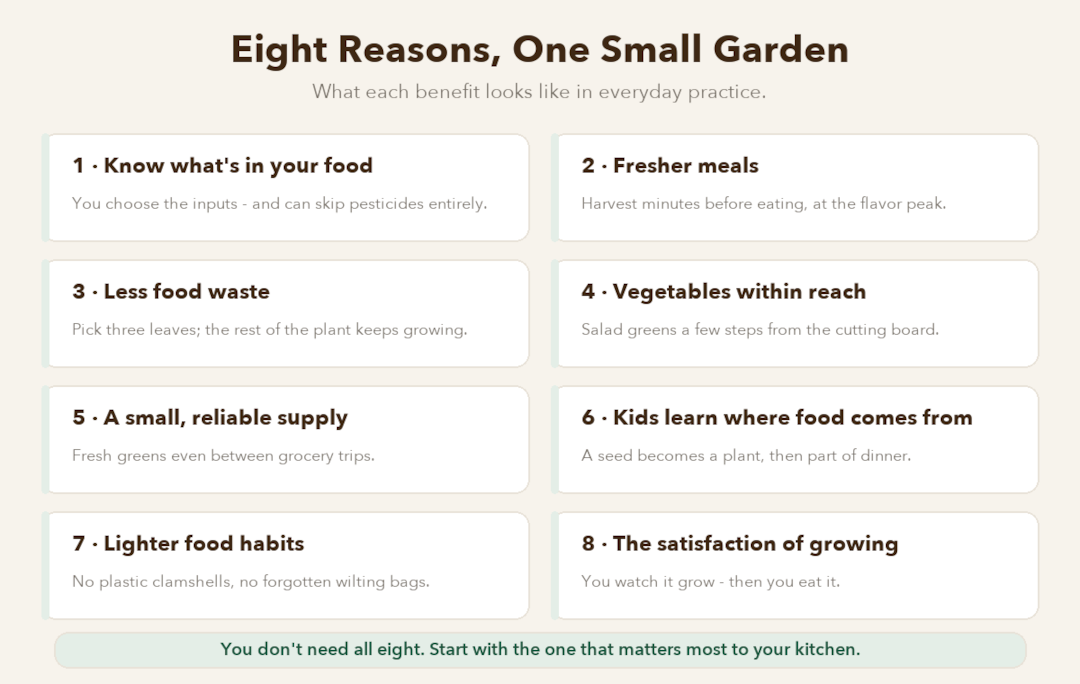
1. Know What Goes Into Your Food
One of the most meaningful benefits of growing your own vegetables is having greater control over how they are cultivated.
When you buy produce, you generally rely on information provided by the grower, supplier, and retailer. When you grow food yourself, you can make informed decisions about the growing environment, nutrients, pest management, and harvesting practices.
Make More Informed Growing Choices
Food production can involve fertilizers, pesticides, and other agricultural inputs. These serve different purposes, and their appropriate use is regulated in many countries. However, consumers may not know every detail of how an individual crop was grown.
The U.S. Food and Drug Administration (FDA) explains that environmental contaminants, including certain metals and industrial chemicals, can enter food through contaminated soil, water, or air. The agency also monitors pesticide residues in food to help protect the food supply.
This does not mean that conventionally grown produce is inherently unsafe. Regulatory monitoring and food-safety standards play an important role in managing potential risks.
Growing your own food gives you another option: you can choose your growing medium, use nutrients according to instructions, and decide how to manage pests. You can also avoid using pesticides in your home garden if your growing approach allows it.
The real benefit is not a guarantee that homegrown food is free from contaminants. It's greater visibility and control over your own growing practices.
Learn to Grow Food Responsibly
Growing at home also teaches you that food safety starts before harvest.
For example, you can:
- Use clean water and appropriate growing materials.
- Follow instructions for fertilizers and plant nutrients.
- Keep growing equipment clean.
- Monitor plants for pests and signs of disease.
- Harvest and handle produce hygienically.
Homegrown vegetables should still be washed under running water before eating, as recommended by the FDA. Growing your own food does not eliminate the possibility of microbial contamination or other food-safety risks.
When you understand how your food is grown, you can make more informed decisions about what reaches your plate.
2. Enjoy Fresher Food Straight From Your Garden
Freshness is one of the most immediate rewards of growing your own vegetables.
Commercial produce can travel through several stages between harvest and your kitchen, including packing, transportation, distribution, and retail storage. The time involved varies considerably depending on the crop and where it is grown.
With a home garden, you can harvest many vegetables and herbs shortly before preparing a meal.
Harvest Only What You Need
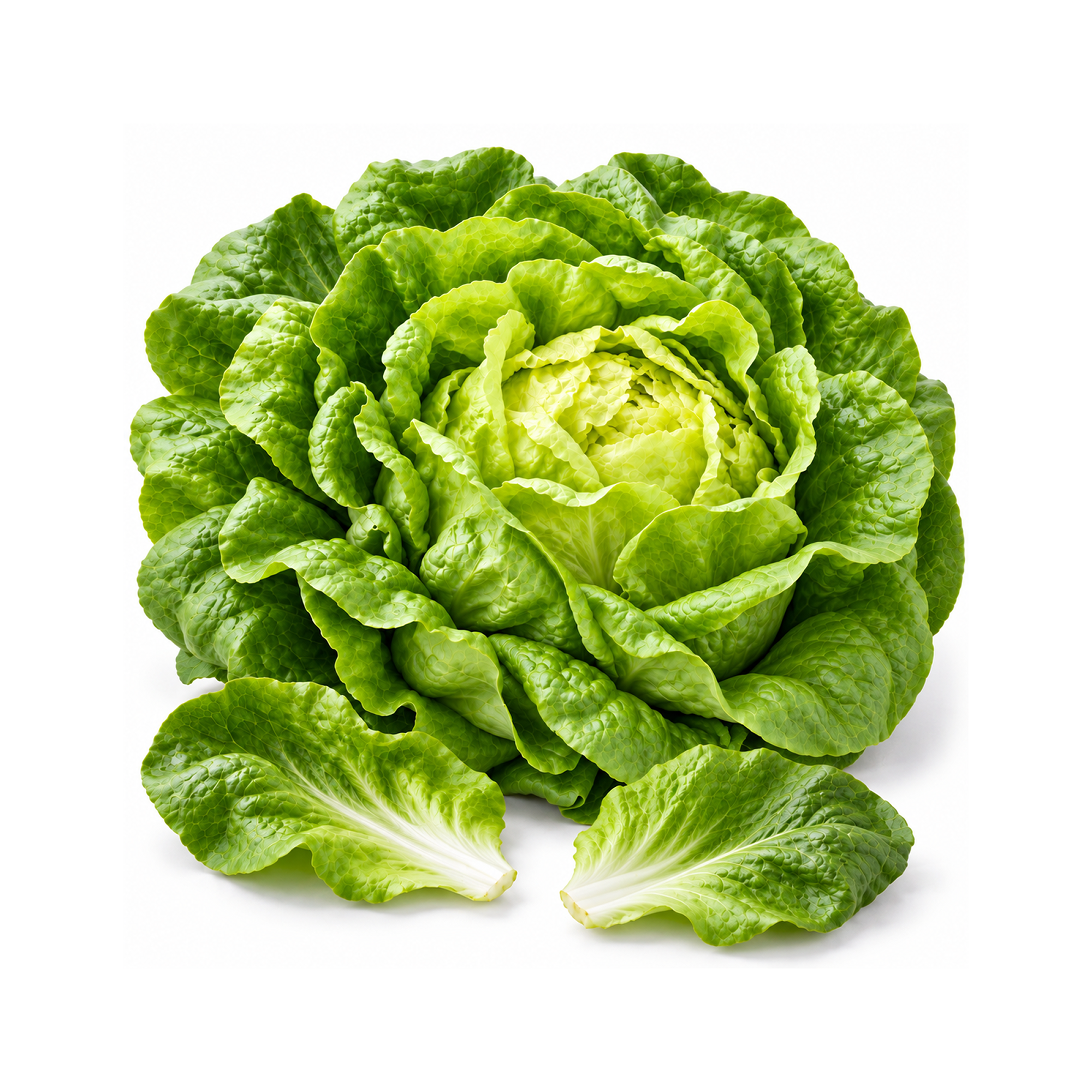
Suppose you're making a sandwich for lunch. You might need just a few lettuce leaves, a little arugula, and two sprigs of parsley.
Instead of buying an entire package, you can harvest a small amount and leave the rest of the plant growing.
This is especially useful for crops that can be harvested gradually, including many leafy greens and culinary herbs. Depending on the variety and growing conditions, you may be able to harvest outer leaves or individual sprigs while allowing the plant to continue growing—harvesting lettuce for continuous growth shows what that looks like week to week.
Fresh ingredients become part of your daily routine rather than something you need to plan around a shopping trip.
Bring More Flavor to Everyday Meals
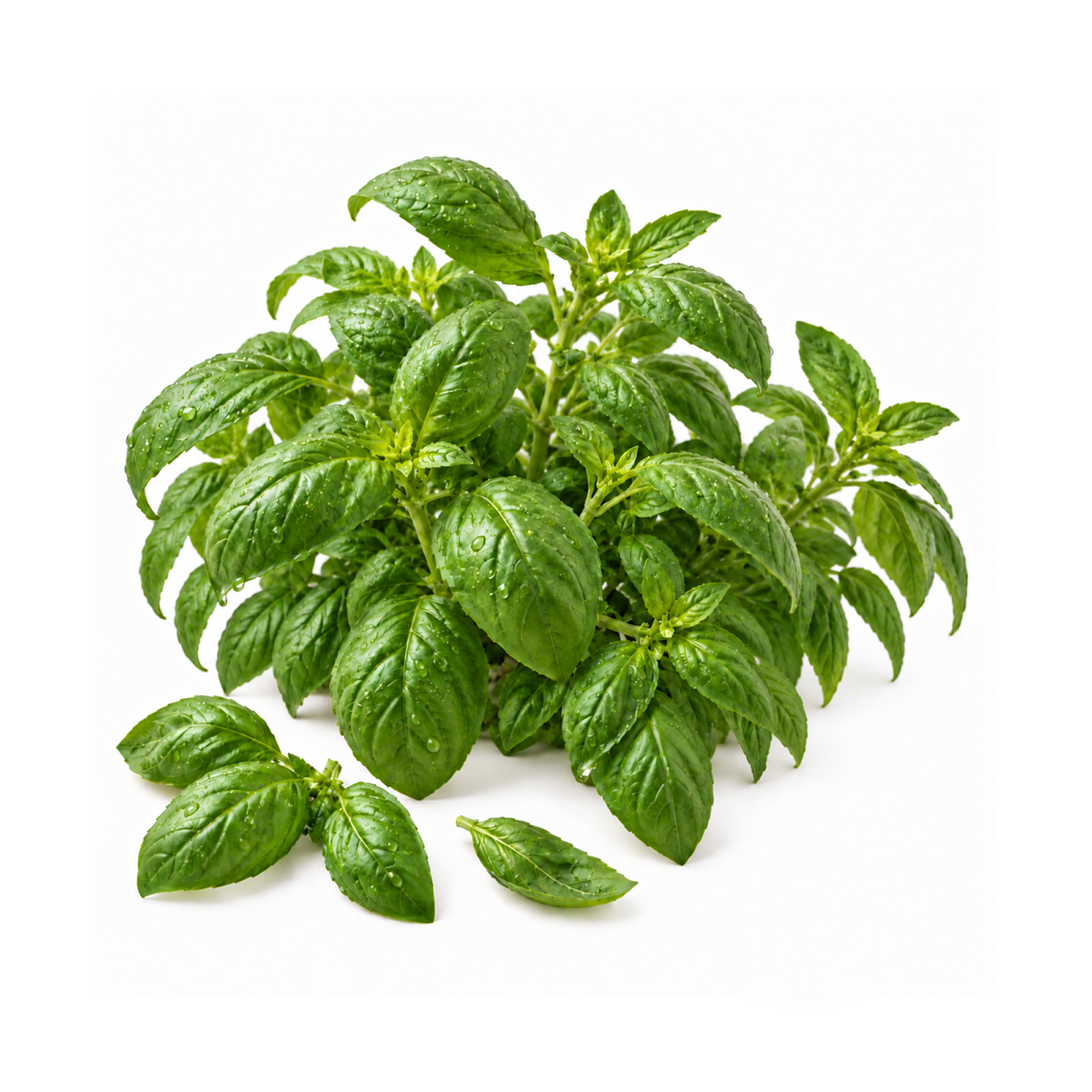
Freshly harvested herbs can add aroma and flavor to simple dishes. Basil can brighten a tomato salad, parsley can bring freshness to roasted vegetables, and freshly harvested lettuce can make a quick lunch feel more satisfying.
The exact flavor and quality depend on the crop, variety, growing conditions, and harvest stage. Still, harvesting close to mealtime gives you the opportunity to enjoy produce at the point when you want to use it—and if one harvest outruns one meal, keeping freshly harvested lettuce crisp is straightforward.
Growing your own food makes freshness something you can plan for, rather than something you simply hope to find at the store.
3. Reduce Food Waste by Growing What You Actually Eat
Food waste is a major environmental and economic problem, and households are an important part of the solution.
According to UNEP's Food Waste Index Report 2024, approximately 631 million tonnes of food waste came from households worldwide in 2022. That represented about 60% of the food waste measured across retail, food service, and household sectors.
Food waste also wastes the resources used to produce food, including water, energy, agricultural land, fertilizer, and labor. When food decomposes in landfills, it can generate methane, a potent greenhouse gas.
Growing some of your own food can help you rethink the relationship between food production and consumption.
Grow the Amount You Can Realistically Use
Have you ever purchased a large bag of salad greens for one recipe, only to find the remaining leaves wilted or spoiled a few days later?
A home garden lets you harvest smaller quantities as needed. Rather than buying several bunches of herbs at once, you can snip a few leaves for dinner and return to the plant when you need more.
This approach can be particularly useful for:
- Lettuce and other salad greens.
- Basil, parsley, and mint.
- Arugula and other tender leafy vegetables.
- Small quantities of herbs used for sauces, dressings, and garnishes.
You can also choose what to grow based on your actual eating habits. If you regularly prepare salads, prioritize lettuce and salad greens. If you cook with herbs every week, dedicate growing space to your favorites.
4. Make Fresh Vegetables More Accessible at Home
Eating more vegetables is easier when ingredients are readily available.
If fresh herbs and greens are growing within reach, preparing a salad or adding vegetables to a meal can become a simple daily habit. You don't have to wait for your next grocery trip to enjoy a few fresh ingredients.
Make Healthy Eating More Convenient
Consider two everyday situations.
In the first, you want to prepare a quick lunch but have no fresh greens at home. You might skip the salad or choose a less vegetable-rich meal.
In the second, lettuce and herbs are growing in your kitchen or nearby growing space. You can harvest what you need and add it to your meal in minutes.
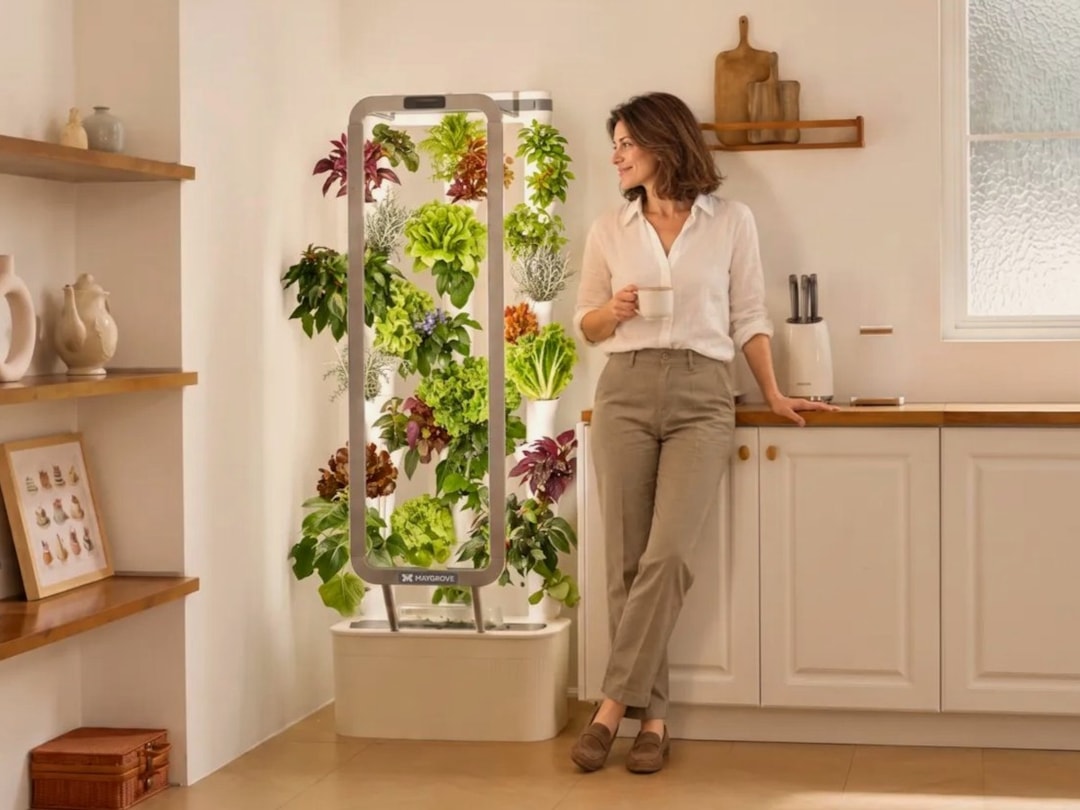
Convenience does not guarantee healthier eating, but it can remove one practical barrier to using fresh vegetables more often.
Homegrown produce can also introduce variety. Instead of repeatedly buying the same lettuce, you might try arugula, different lettuce cultivars, parsley, or other crops suited to your space and meals.
Grow Food That Fits Your Diet
Not every household needs the same vegetables.
Some people use leafy greens every day. Others prefer herbs, tomatoes, cucumbers, or peppers. A household with young children may want mild-flavored vegetables, while someone who enjoys cooking might prioritize aromatic herbs.
When you grow your own food, you can choose varieties based on your preferences rather than relying entirely on what's available at the store.
For example, you might grow:
- Romaine or butterhead lettuce for salads and sandwiches.
- Basil for pasta, pizza, and sauces.
- Arugula for salads and sandwiches.
- Cherry tomatoes for snacks and fresh dishes, if your growing setup supports them.
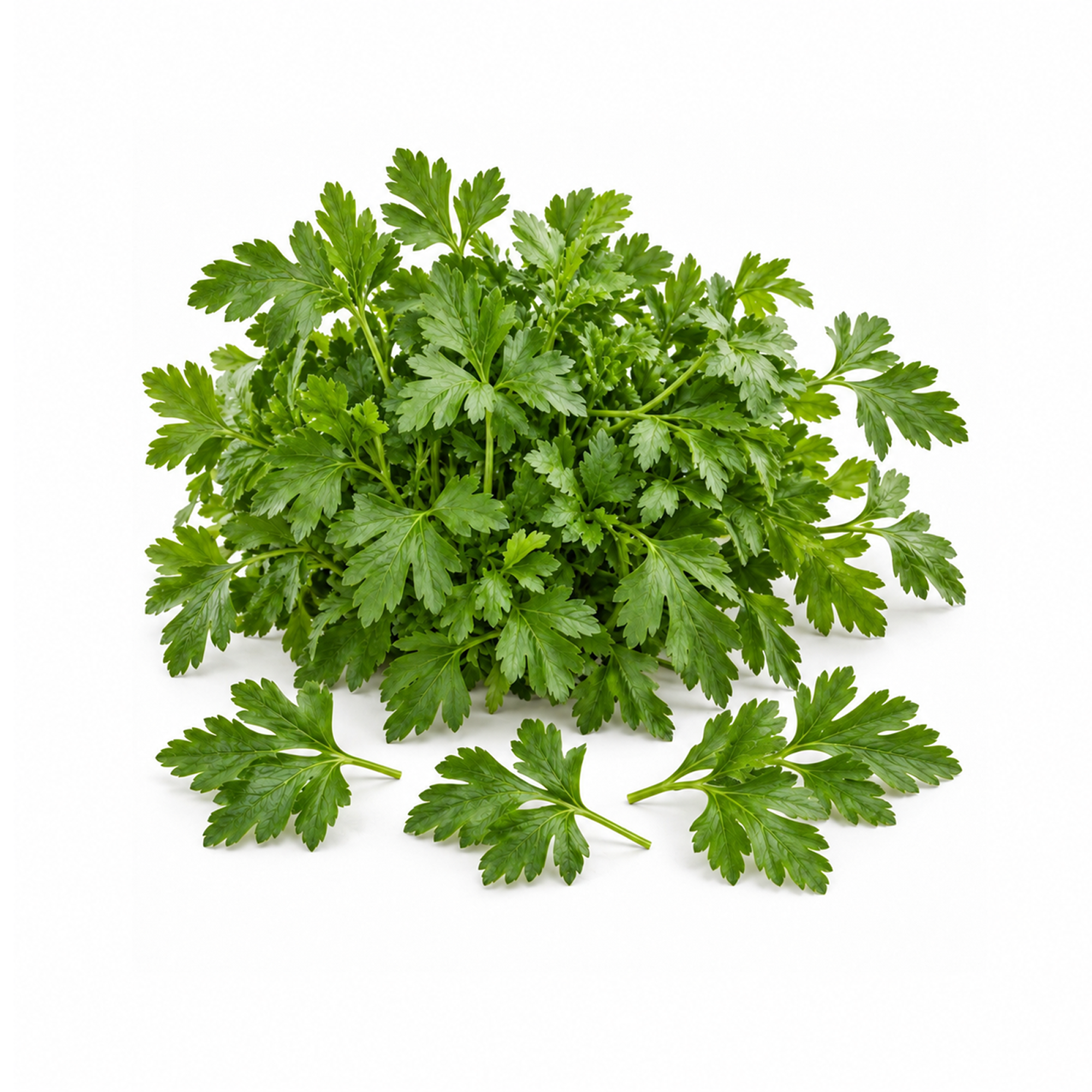
- Parsley for soups, dressings, and everyday cooking.
A small garden does not need to replace your grocery shopping. Even a few regularly harvested ingredients can make fresh food a more convenient part of your routine.
5. Understand Food Security by Growing Something Yourself
Food security means having reliable access to sufficient, safe, and nutritious food. It depends on more than whether food is available in a supermarket.
Household income, food prices, transportation, supply disruptions, and access to suitable food all influence people's ability to eat well.
The scale of the challenge remains significant. The United Nations' State of Food Security and Nutrition in the World 2024 report estimated that approximately 733 million people experienced hunger in 2023.
A home garden cannot replace the infrastructure, public policies, economic opportunities, and community programs needed to address hunger. Nor can a small indoor garden provide every calorie or nutrient a household needs.
However, growing food can contribute to household resilience in practical ways.
Build a Small Source of Fresh Produce
A garden can provide a supplementary source of vegetables and herbs. Depending on the crops, growing conditions, and available space, it may reduce the need to purchase some ingredients as frequently.
For example, a productive supply of leafy greens may help a household prepare salads and sandwiches without buying packaged greens every time.
The contribution will vary. A small indoor garden is unlikely to meet all of a family's vegetable needs, particularly if the household consumes large quantities or grows crops with long maturation periods.
Nevertheless, producing even a portion of your own food can help you understand what it takes to grow a reliable supply.
Develop Practical Growing Skills
Growing food also builds knowledge that can be useful over time.
You learn how long different plants take to germinate, how to recognize healthy growth, when to harvest, and how environmental conditions affect plant health.
These skills can help you make better growing decisions and understand the effort behind food production.
Food security is ultimately a community-wide challenge, but practical knowledge about growing and using food is one useful part of a more resilient food culture.
6. Help Children Understand Where Food Comes From
For many children, vegetables appear in supermarkets or on their plates without much understanding of how they are produced.
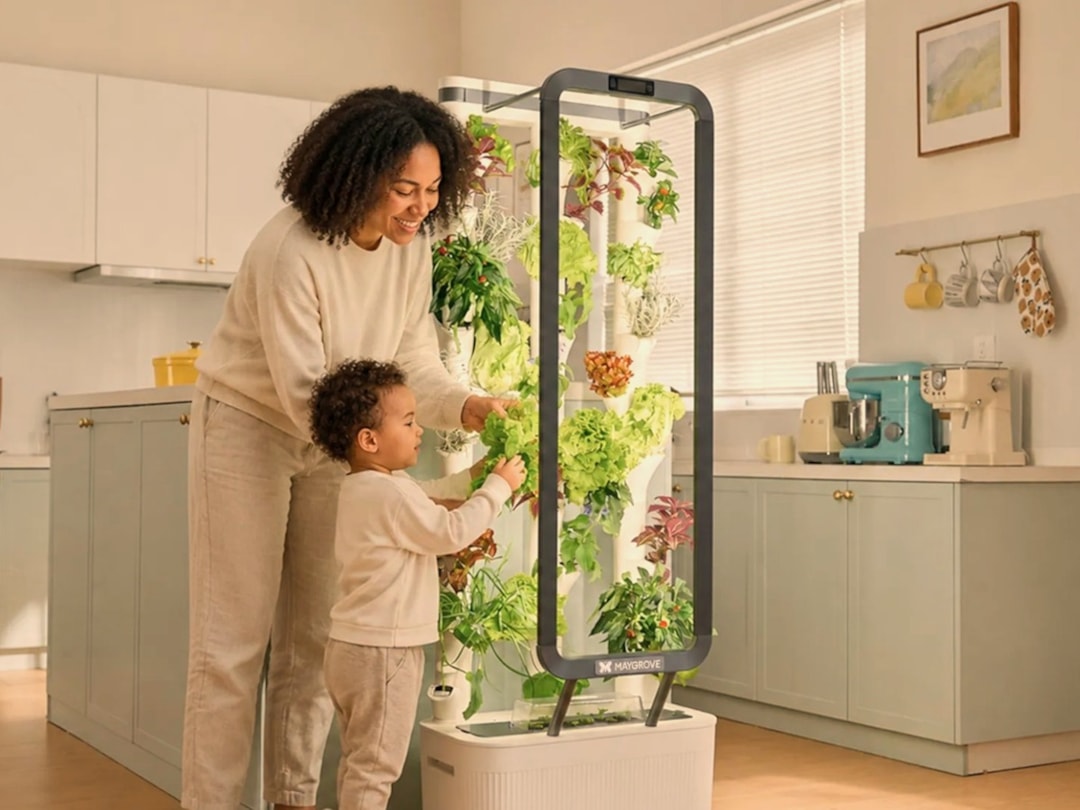
Growing food together can turn an everyday meal into a hands-on learning experience.
A seed becomes a seedling. The seedling develops leaves and roots. Over time, the plant grows, and some crops eventually produce flowers, fruits, or harvestable leaves.
Children can observe these changes directly instead of learning about them only through pictures or books.
Turn Gardening Into Everyday Education
A home garden can help children explore several important concepts:
- Plant science: Learn how seeds germinate and plants develop.
- Responsibility: Practice caring for living things and following a routine.
- Nutrition: Discover different vegetables, colors, flavors, and ways to prepare them.
- Sustainability: Understand why food takes resources to produce and why wasting it matters.
- Patience: See that growing food requires time, attention, and suitable conditions.
You can make the experience simple. Let children choose a vegetable, help plant a seed, observe new leaves, and harvest the crop when it's ready.
Ask questions along the way: What does the plant need to grow? Why are some leaves bigger than others? How long do we need to wait before harvesting? What can we make with today's harvest?
These small observations help connect science to everyday life.
Encourage Children to Try New Vegetables
Children may be more curious about a vegetable when they've helped grow it themselves. Watching a plant develop and harvesting its leaves can create a sense of involvement that makes trying the finished food more interesting.
Of course, gardening does not guarantee that a child will enjoy every vegetable. Taste preferences develop over time, and repeated, low-pressure exposure is often more useful than insisting that children eat something.
The value is in creating positive experiences with food—from planting a seed to preparing a meal together.
7. Make More Environmentally Conscious Food Choices
Growing food at home can support environmental awareness, but its environmental benefits depend on how you grow, what you grow, and what your home garden replaces.
Food production uses land, water, energy, and other resources. Food also moves through supply chains that may involve processing, refrigeration, packaging, and transportation.
Growing food at home gives you an opportunity to rethink some of those steps.
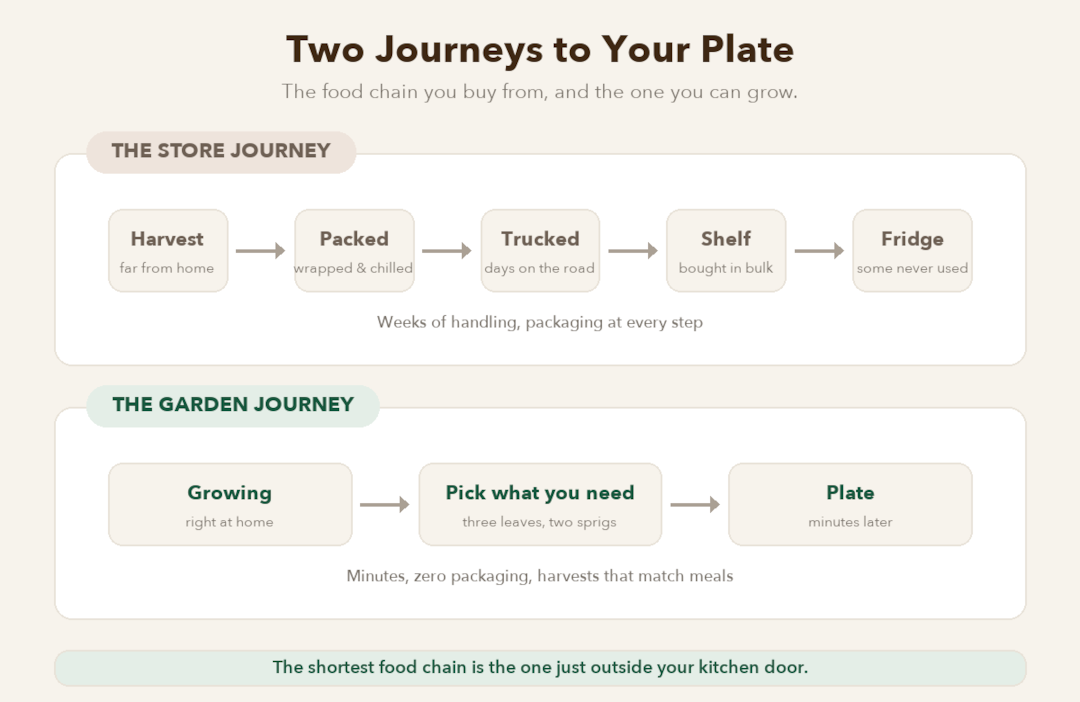
Reduce Unnecessary Packaging and Shopping Trips
When you harvest herbs or greens directly from your garden, you may avoid purchasing certain packaged products.
If your garden provides ingredients you would otherwise buy, it may also reduce some shopping trips or the amount of produce you purchase in advance.
The environmental benefit varies according to your habits. For example, replacing frequently purchased packaged herbs may offer a different benefit from growing a crop that requires substantial electricity under artificial lighting.
Indoor growing systems use energy for lighting and may use other powered components. Their overall environmental footprint depends on factors such as electricity sources, system efficiency, water use, growing materials, crop yield, and how much purchased produce they replace.
For this reason, it's more accurate to say that home gardening can support more resource-conscious food habits than to assume every homegrown vegetable automatically has a lower environmental footprint.
Reduce Waste and Respect the Resources Behind Food
One of the clearest opportunities is to grow only what you can use.
The U.S. Environmental Protection Agency (EPA) reports that more than one-third of the food produced in the United States is never eaten. Its research highlights how wasted food also wastes the water, energy, fertilizer, land, and other resources used in production.
Preventing food waste is generally more effective than relying on disposal methods to manage it after it occurs.
At home, this can mean planning meals around your harvest, choosing crops you regularly eat, and avoiding planting more than your household can use.
You can also compost suitable food scraps where practical and permitted. Composting can return nutrients and organic matter to soil, although not every indoor growing setup has the space or equipment for home composting.
Remember That Every Growing Method Has Trade-Offs
A backyard garden, balcony planter, and indoor vertical garden have different environmental considerations.
Outdoor gardens may use natural sunlight but require suitable land and growing conditions. Indoor systems can make year-round growing possible in some environments, but artificial lighting consumes electricity.
The most suitable approach depends on your living space, climate, crop choices, and goals.
Rather than aiming for a perfect garden with zero impact, focus on practical improvements: avoid unnecessary inputs, grow food you will eat, use resources efficiently, and prevent avoidable waste.
8. Enjoy the Satisfaction of Growing Something Yourself
There is another benefit to home gardening that is harder to measure: the satisfaction of watching something grow and then using it in your own kitchen.
You begin with a seed or seedling. You provide the conditions it needs. You notice new leaves, monitor its progress, and eventually harvest something you can eat.
That process can make food feel less anonymous.
Reconnect With the Food on Your Plate
When you grow lettuce, you learn how long it takes to produce a usable harvest. When you grow basil, you discover how pruning and harvesting affect the plant. When you grow tomatoes, you experience the time and care required before fruit is ready.
This knowledge can change how you think about food.
You may become more careful about throwing away leftovers, more curious about unfamiliar vegetables, or more appreciative of the work involved in agriculture.
Gardening can also provide a rewarding activity away from screens and daily routines. Even a few minutes spent checking plants can create a regular opportunity to observe nature.

You do not need a large garden or years of experience to enjoy these benefits. Start with one crop you like, learn how it grows, and build from there.
How to Start Growing Your Own Food at Home
You don't need a backyard, a greenhouse, or extensive gardening experience to begin. The best starting point is a small garden built around the food you already enjoy—if you want the full setup walkthrough first, our indoor gardening guide for beginners covers it step by step.
Step 1: Choose Foods You Actually Eat
Before buying seeds or equipment, think about your usual meals.
Do you eat salads several times a week? Start with lettuce or other leafy greens. Do you cook with fresh herbs? Try basil or parsley. Do you enjoy growing more challenging crops? Research whether tomatoes, cucumbers, or peppers are suitable for your available space and growing setup.
Choosing familiar foods makes it easier to use your harvest.
Step 2: Match Your Plants to Your Space
Consider sunlight, temperature, available room, and how much attention you can give your garden.
A sunny balcony may suit containers, while a backyard may provide room for a wider range of crops. If outdoor space or sunlight is limited, an indoor growing system may be an option—how a hydroponic garden works explains the mechanics in plain language.
For vertical gardens, check the system's crop compatibility, planting-site spacing, and mature plant-size requirements before planting. Not every vegetable is suitable for every indoor system.
Step 3: Start With a Manageable Number of Plants
Growing a few plants successfully is often more useful than planting too many varieties at once.
Begin with crops that suit your space and routine. Learn how to monitor growth, manage nutrients and water, and harvest correctly before expanding your garden.
If you choose leafy greens and herbs, you may be able to harvest portions of the plants over time, depending on the variety and growing conditions.
Step 4: Plan Your Harvest Around Meals
Think about how you will use the food before it is ready.
If you grow lettuce, plan salads, sandwiches, or wraps. If you grow basil, consider pasta, pesto, or tomato dishes. If you grow parsley, use it in dressings, soups, and sauces.
Harvesting with a meal in mind helps you use what you grow and avoid creating more produce than you can eat.
Step 5: Keep Learning as You Grow
Observe how your plants respond to their environment. Record when seeds germinate, how quickly leaves develop, and when each crop becomes ready for harvest.
If a plant struggles, investigate the likely causes rather than assuming every problem has the same solution—yellow leaves in a hydroponic garden covers the first things to check, and light, temperature, nutrients, water, roots, and pests can all influence plant health.
With experience, you'll become better at choosing crops and managing a growing routine that works for your household.
How Maygrove Makes Growing Food at Home More Approachable
For people who want fresh vegetables at home but have limited outdoor space or gardening experience, an indoor growing system can offer a more structured way to get started.
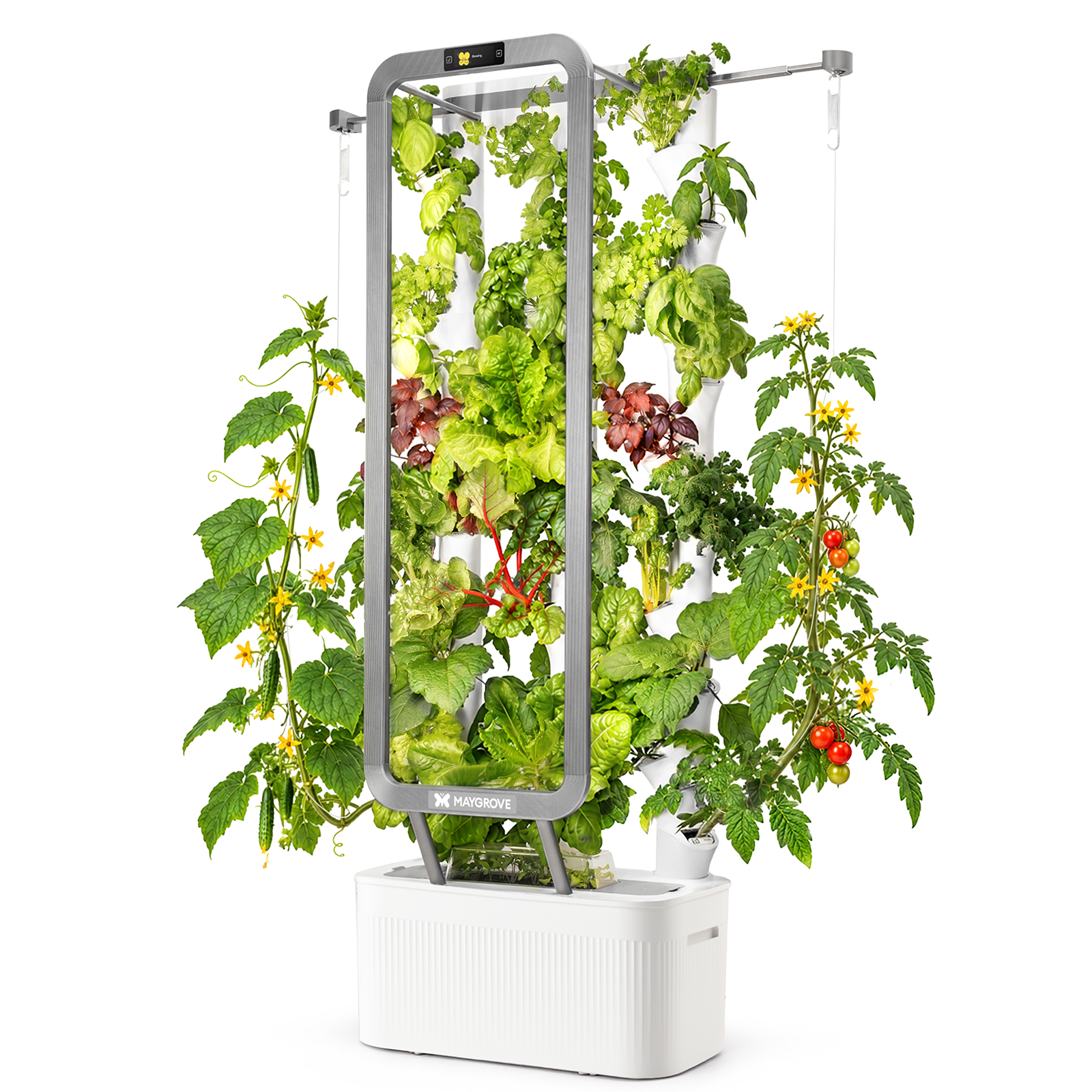
The Maygrove AI Growbot Verti 30 is designed to help users grow plants in a compact indoor environment. Its automated lighting and nutrient-management features support routine growing tasks, while Mavi, Maygrove's AI gardening assistant, helps guide users from seed to harvest.
Mavi can assist with growing guidance, space management, estimated germination timelines, harvest reminders, and monitoring or diagnosing potential plant problems, helping users understand what their plants need as they develop.
For beginners, this guidance can make the growing process easier to follow. For households focused on fresh food, it can also help connect planting decisions to everyday meals: choosing suitable crops, monitoring their progress, and harvesting when they're ready to use.
As with any growing system, results depend on crop selection, growing conditions, and following the system's instructions. Check the current compatibility guidance before choosing crops, especially if you want to grow larger fruiting vegetables.
The goal is not to grow everything you eat. It's to make growing a useful part of how you bring fresh food into your home.
Frequently Asked Questions
Is growing your own food worth it?
Growing your own food can be worthwhile if you enjoy fresh ingredients, want to learn about plants, or regularly use vegetables and herbs that are suitable for your space. The financial benefit depends on equipment costs, electricity, supplies, crop yields, and the price of the produce you would otherwise buy. Starting with a few crops you use frequently is a practical way to assess the value for your household.
Does growing your own food help the environment?
It can. Home gardening may reduce some packaging, unnecessary purchases, and food waste, particularly when you harvest only what you need. However, environmental benefits depend on the growing method, resource use, crop yield, and whether homegrown food replaces purchased produce. Indoor gardens that use artificial lighting also consume electricity.
Is homegrown food healthier than store-bought food?
Not automatically. Both homegrown and store-bought produce can contribute to a healthy diet. Nutritional value depends on the crop, variety, growing conditions, maturity, storage, and preparation. Home gardening offers greater control over growing practices and can make fresh vegetables more accessible, but it does not guarantee higher nutrient levels or freedom from contaminants.
Can growing your own food improve food security?
A home garden can provide a supplementary source of fresh vegetables and herbs and help households develop useful growing skills. However, a small garden usually cannot supply all the food a household needs, and it cannot solve the wider economic and structural causes of food insecurity.
What is the easiest food to grow at home?
Leafy greens and many culinary herbs are good starting points, depending on your environment. Lettuce, arugula, basil, and parsley can be suitable choices for beginners when their light, temperature, water, and growing-space requirements are met. Always check that a crop is compatible with your chosen growing system.
Can I grow food indoors without a backyard?
Yes. Depending on your space and available light, you can grow some herbs and vegetables in containers near a suitable window or with an indoor grow light. Vertical growing systems can also make use of limited floor space. Choose crops according to the system's capabilities and the plants' mature size.
Does growing food at home reduce food waste?
It can help when you grow crops you regularly eat and harvest them in quantities you can use. However, home gardening can also generate waste if you plant too much or fail to use the harvest. Planning meals around your crops and choosing manageable planting quantities are important.
How can I teach children to grow their own food?
Start with an easy-to-observe crop, let children help plant seeds, and encourage them to track growth and participate in harvesting. Involve them in preparing a meal with the vegetables they grow. Keep the experience enjoyable and age-appropriate, and use it to explore plant science, nutrition, patience, and food waste.
The Bottom Line: Grow for Yourself, Grow for the Earth
Growing your own food will not solve every challenge in our food system. It will not eliminate agricultural pollution, end global hunger, or guarantee that every vegetable has a smaller environmental footprint.
But it can change how you interact with food.
You can choose what to grow, understand more about how it is cultivated, harvest fresh ingredients when you need them, and plan your garden around what your household actually eats. You can reduce avoidable waste, introduce children to the origins of their food, and develop a deeper appreciation for the resources required to produce a meal.
Start small. Grow the lettuce you use for lunch. Keep basil within reach for dinner. Let your children watch a seed become a plant. Harvest what you need and make a meal with it.
These actions may seem modest, but they build habits that connect food, health, learning, and environmental responsibility.
Growing our own food isn't just about feeding ourselves. It's about understanding what we eat, respecting the resources behind it, and helping create a more thoughtful food culture—one harvest at a time.