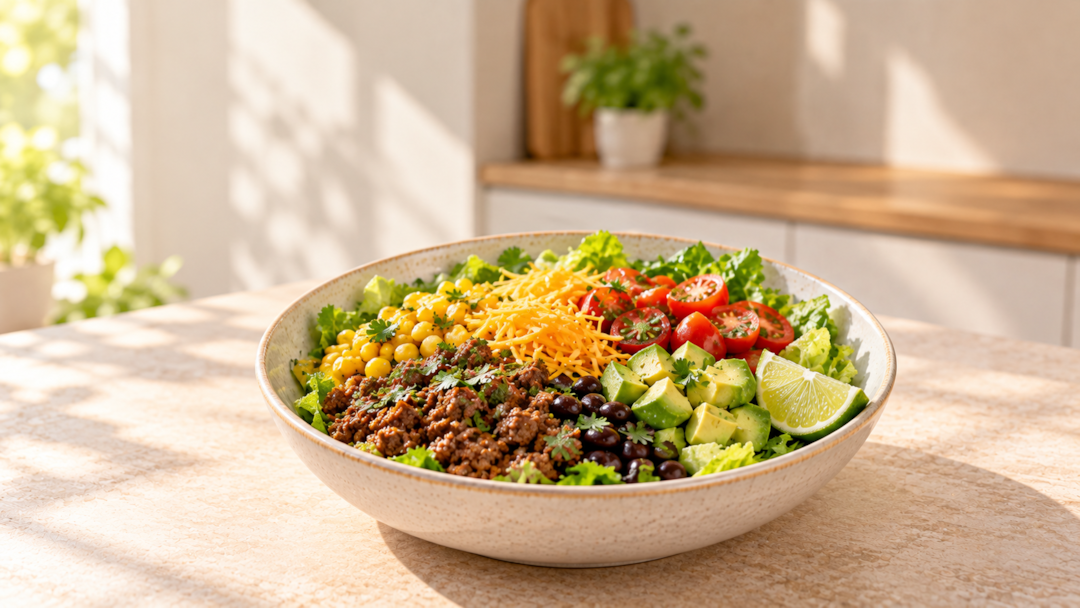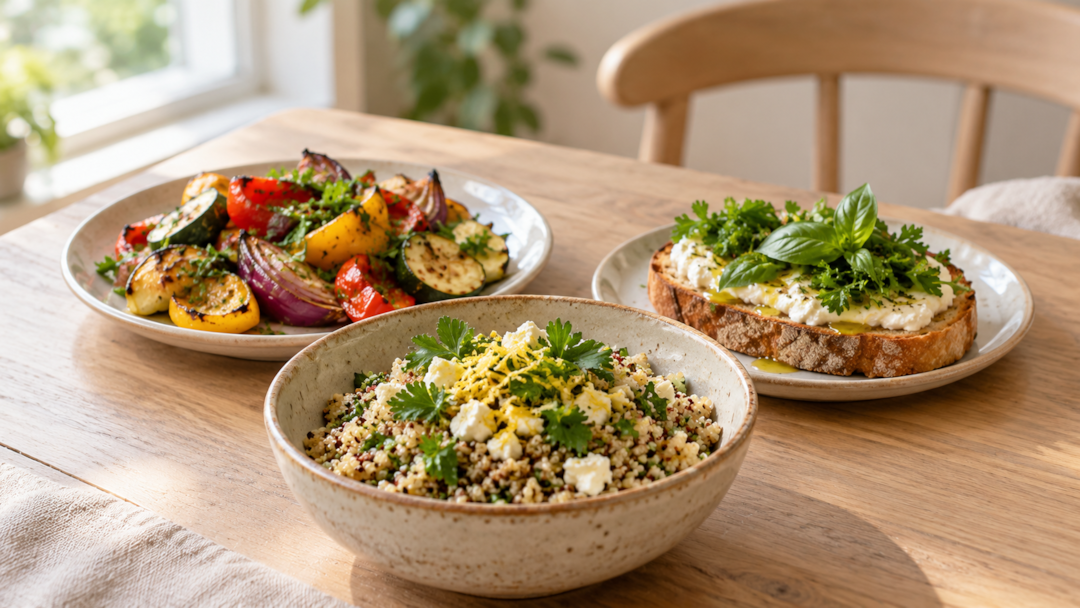
Sometimes, a handful of fresh herbs is all it takes to make an everyday meal feel special.
Fresh parsley can brighten a simple dressing, Genovese Basil can bring classic flavor to tomato pasta, and Red Rubin Basil can add a colorful twist to herb butter. Instead of letting your herbs sit in the refrigerator until you forget about them, turn your harvest into something you’ll actually use.
In this guide, we’ll make three easy herb-forward additions using Italian Flat Leaf Parsley, Dark Green Parsley, Genovese Basil, Lemon Basil, and Red Rubin Basil. Each one uses simple ingredients and works with meals you probably already make.
The best part of growing herbs at home? You can harvest a few leaves when you need them, rather than buying a whole bunch for one recipe.
Why This Meal Is Worth Growing For
These aren’t complicated recipes that require a special shopping trip. They’re small, practical ways to make everyday food more flavorful.
- Fresh herb dressing: Brightens grain bowls, roasted vegetables, and salads.
- Basil tomato pasta: Turns a few pantry staples into a fresh, satisfying meal.
- Colorful herb butter: Adds flavor to bread, vegetables, eggs, and grilled dishes.
Each option uses herbs a little differently, so you can experiment with flavor without needing a large harvest.
Growing several herb varieties also gives you more flexibility in the kitchen. Italian Flat Leaf Parsley has a clean, fresh taste, while Genovese Basil offers the familiar sweet aroma associated with Italian cooking. Lemon Basil brings a citrusy note, and Red Rubin Basil adds a deep purple-red color to your dishes.
Today’s Harvest Basket
For these three ideas, gather a small selection of fresh herbs from your indoor garden.
- Italian Flat Leaf Parsley: For dressings, sauces, and savory dishes.
- Dark Green Parsley: Another versatile parsley option for everyday cooking.
- Genovese Basil: For tomato-based dishes, pasta, and herb sauces.
- Lemon Basil: For a fresh, citrusy twist in dressings and other light dishes.
- Red Rubin Basil: For colorful herb butter and an aromatic finishing touch.
You don’t need to harvest every variety for every meal. Choose the herbs that match the flavor you’re looking for.
Pick healthy leaves from established plants, rinse them thoroughly, and pat them dry. For the best aroma, chop delicate herbs shortly before using them.
Ingredients
These three simple preparations make it easy to use fresh herbs in different ways.
1. Lemon-Parsley Dressing
Makes: About ½ cup
- ¼ cup chopped Italian Flat Leaf Parsley or Dark Green Parsley
- 3 tablespoons extra-virgin olive oil
- 1½ tablespoons fresh lemon juice
- 1 teaspoon Dijon mustard
- 1 small garlic clove, minced
- Salt and black pepper, to taste
- 1–2 teaspoons water, if needed
2. Fresh Basil Tomato Pasta
Makes: 2 servings
- 6 oz (170 g) pasta
- 1½ cups cherry tomatoes, halved
- 2 garlic cloves, thinly sliced
- 2 tablespoons olive oil
- ½ cup fresh Genovese Basil leaves
- 2 tablespoons grated Parmesan cheese, optional
- Salt and black pepper, to taste
- A splash of pasta water, as needed
3. Red Rubin Basil Herb Butter
Makes: About ½ cup
- ½ cup softened unsalted butter
- 2 tablespoons finely chopped Red Rubin Basil
- 1 tablespoon finely chopped Italian Flat Leaf Parsley
- 1 teaspoon lemon zest
- 1 small garlic clove, finely minced, optional
- Salt and black pepper, to taste
Step-by-Step Instructions
1. Make the Lemon-Parsley Dressing
Step 1: Finely chop the parsley and mince the garlic.
Step 2: Whisk the olive oil, lemon juice, Dijon mustard, and garlic together in a small bowl.
Step 3: Stir in the parsley, then season with salt and black pepper.
Step 4: Add a little water if you prefer a thinner dressing. Taste and adjust the lemon juice or seasoning.
Drizzle it over a mixed greens salad, grain bowl, or roasted vegetables. For a citrus-forward variation, replace some of the parsley with finely chopped Lemon Basil.
2. Make the Fresh Basil Tomato Pasta
Step 1: Cook the pasta according to the package instructions. Before draining, reserve about ½ cup of pasta water.
Step 2: Heat the olive oil in a skillet over medium heat. Add the garlic and cook briefly until fragrant, taking care not to burn it.
Step 3: Add the cherry tomatoes and cook for 5–8 minutes, stirring occasionally, until they soften and release their juices.
Step 4: Add the drained pasta and a splash of pasta water. Toss until the tomatoes form a light sauce that coats the pasta.
Step 5: Remove the pan from the heat. Tear the Genovese Basil leaves and stir them through the pasta.
Step 6: Finish with Parmesan, black pepper, and additional fresh basil if desired.
The key is to add the basil near the end. This helps preserve its fresh aroma instead of cooking it away.
3. Make the Red Rubin Basil Herb Butter
Step 1: Finely chop the Red Rubin Basil and parsley.
Step 2: Place the softened butter in a bowl. Add the herbs, lemon zest, and optional garlic.
Step 3: Mix until the ingredients are evenly distributed. Season lightly with salt and black pepper.
Step 4: Use immediately as a spread, or transfer to a covered container and refrigerate until firm.
Spread the herb butter over warm bread, melt it over steamed vegetables, or add a small amount to freshly cooked potatoes.
Harvest Notes
Italian Flat Leaf Parsley: Harvest outer stems from an established plant, cutting near the base of the stem. The flat leaves are easy to chop and work well in dressings and herb mixtures.
Dark Green Parsley: Pick healthy outer stems as needed. Use the leaves in dressings, sauces, and savory dishes, just as you would other culinary parsley varieties.
Genovese Basil: Harvest individual leaves or small stem sections. Pinching stems just above a pair of leaves encourages branching and continued growth. Add the leaves toward the end of cooking to retain more of their aroma.
Lemon Basil: Harvest healthy leaves for dressings and other fresh preparations. Its citrusy aroma pairs particularly well with lemon juice, vegetables, and light sauces.
Red Rubin Basil: Pick healthy leaves for herb butter, garnishes, and colorful finishing touches. Its purple-red coloring makes it especially attractive when used fresh.
For all five herbs, avoid stripping too much foliage from one plant at a time. Regular, moderate harvesting helps established plants continue producing new growth.
Nutrition Highlights
Fresh herbs contribute flavor without requiring large amounts of salt, sugar, or heavy sauces.
- Parsley: Provides vitamin K and other naturally occurring vitamins and plant compounds.
- Basil: Contains vitamin K and aromatic plant compounds. The exact nutritional contribution depends on the variety and amount used.
- Lemon juice: Adds acidity and a small amount of vitamin C.
- Tomatoes: Provide vitamin C and lycopene, a naturally occurring plant compound.
- Olive oil: Supplies predominantly unsaturated fats.
- Butter: Adds richness and flavor, but also contributes saturated fat.
The three preparations have different nutritional profiles. The dressing and herb butter are best used in modest portions, while the pasta can become a more complete meal when paired with vegetables and a protein source.
Growing herbs at home doesn’t automatically make a meal more nutritious. The practical benefit is having fresh flavor within reach, making it easier to prepare simple meals with ingredients you enjoy.
FAQs
1. What herbs are best for everyday cooking?
Parsley and basil are versatile choices because they work in many dishes. Parsley is useful in dressings and savory meals, while Genovese Basil pairs especially well with tomatoes, pasta, and sauces.
2. Can I substitute Lemon Basil for Genovese Basil?
Yes, but expect a different flavor. Lemon Basil has a citrusy aroma, while Genovese Basil has the familiar sweet, aromatic flavor often associated with Italian cooking. Use Lemon Basil when you want a brighter, more citrus-forward result.
3. How do I keep fresh herbs from wilting?
Harvest only what you need when possible. For short-term storage, wrap unwashed herbs loosely in a slightly damp paper towel, place them in a suitable container or bag, and refrigerate them. Different herbs store best under different conditions, so check them regularly.
4. Can I make herb dressing ahead of time?
Yes. Store the dressing in a sealed container in the refrigerator and use it within a few days for the best quality. Stir or shake before serving, as the oil and lemon juice may separate.
5. How should I store homemade herb butter?
Keep it in a covered container in the refrigerator and use it within several days. You can also freeze it in small portions for later use. Do not leave herb butter at room temperature for extended periods.
6. Can I grow parsley and basil indoors?
Yes. Both can grow indoors when they receive adequate light, suitable temperatures, and appropriate watering. Follow the growing guidance for each variety and harvest gradually once the plants are established.