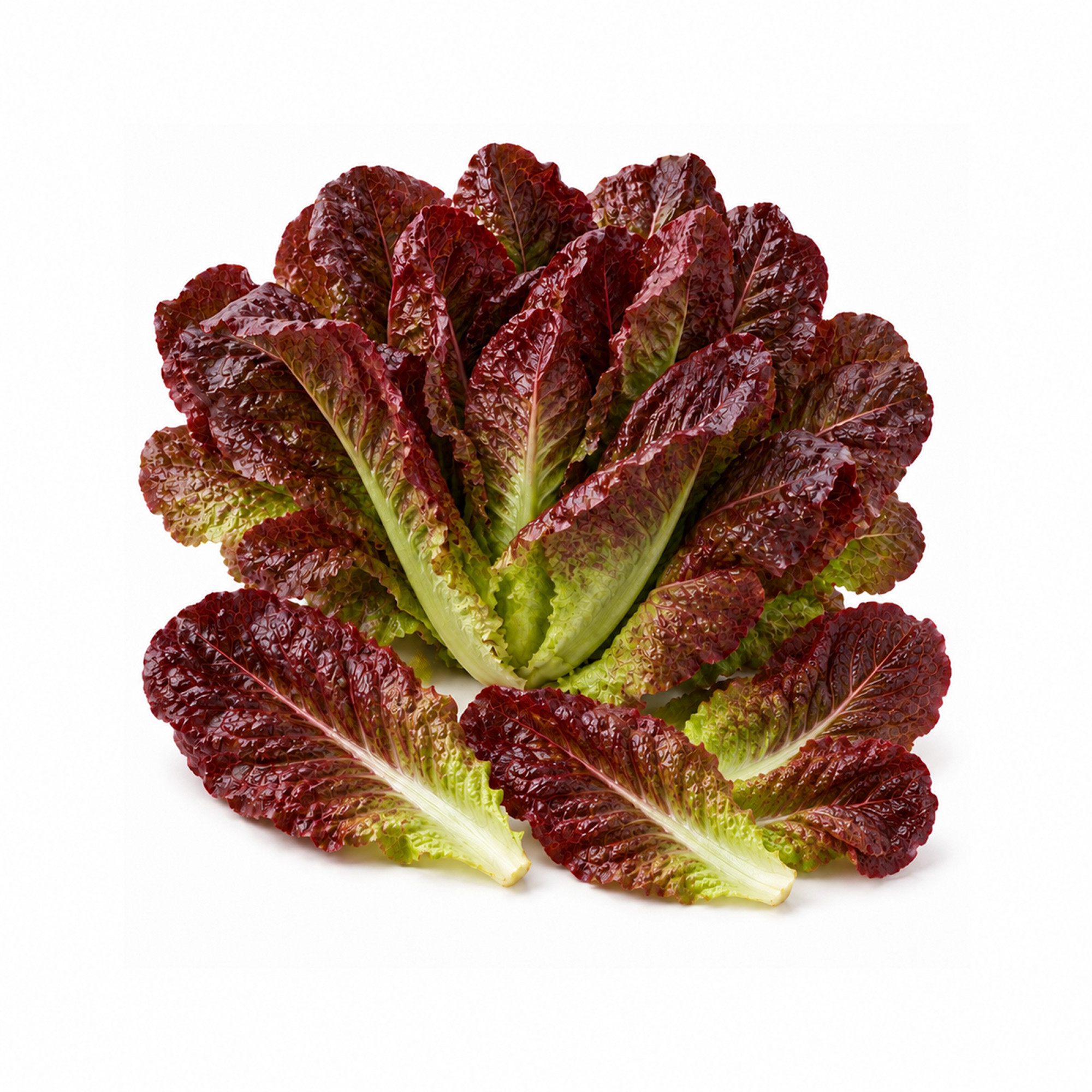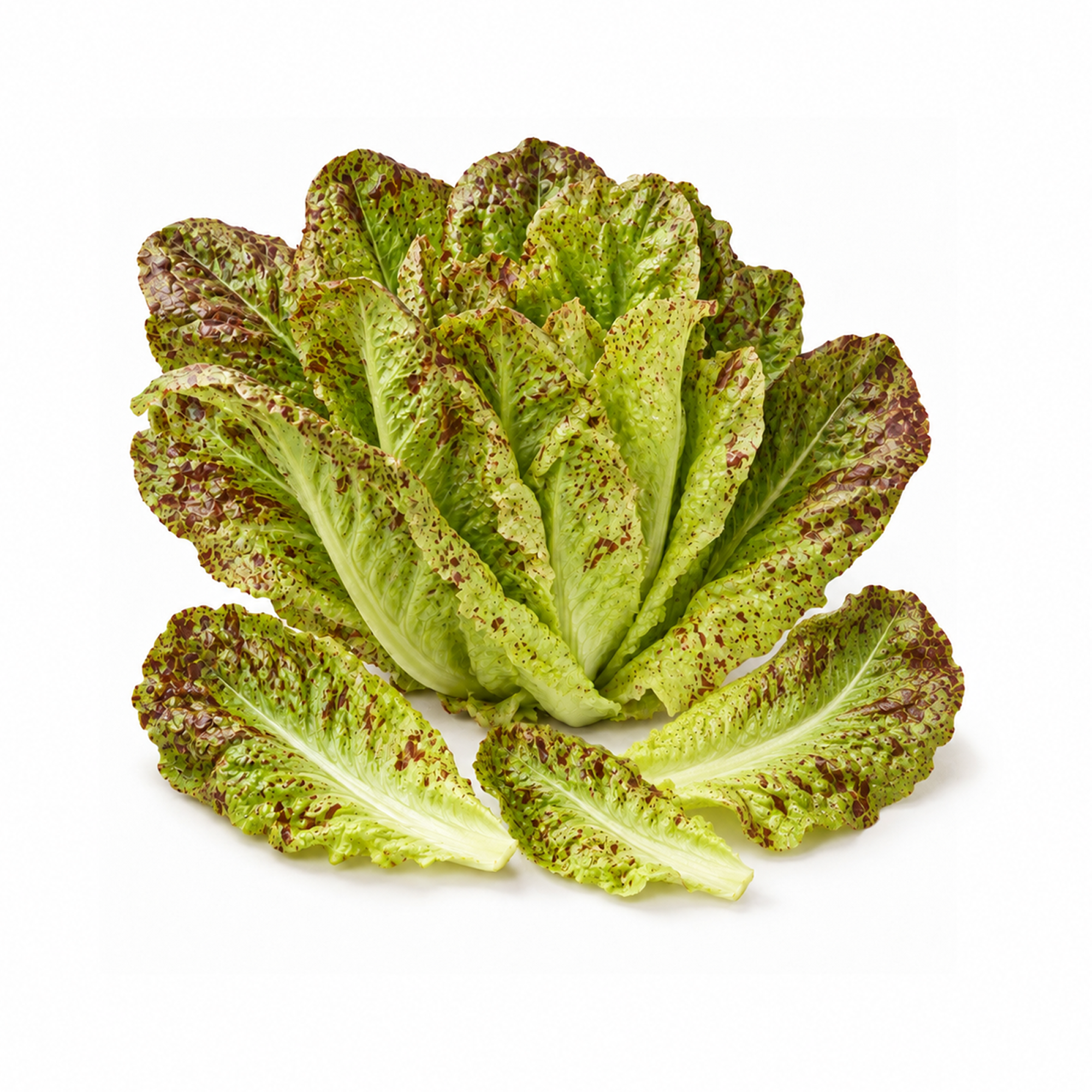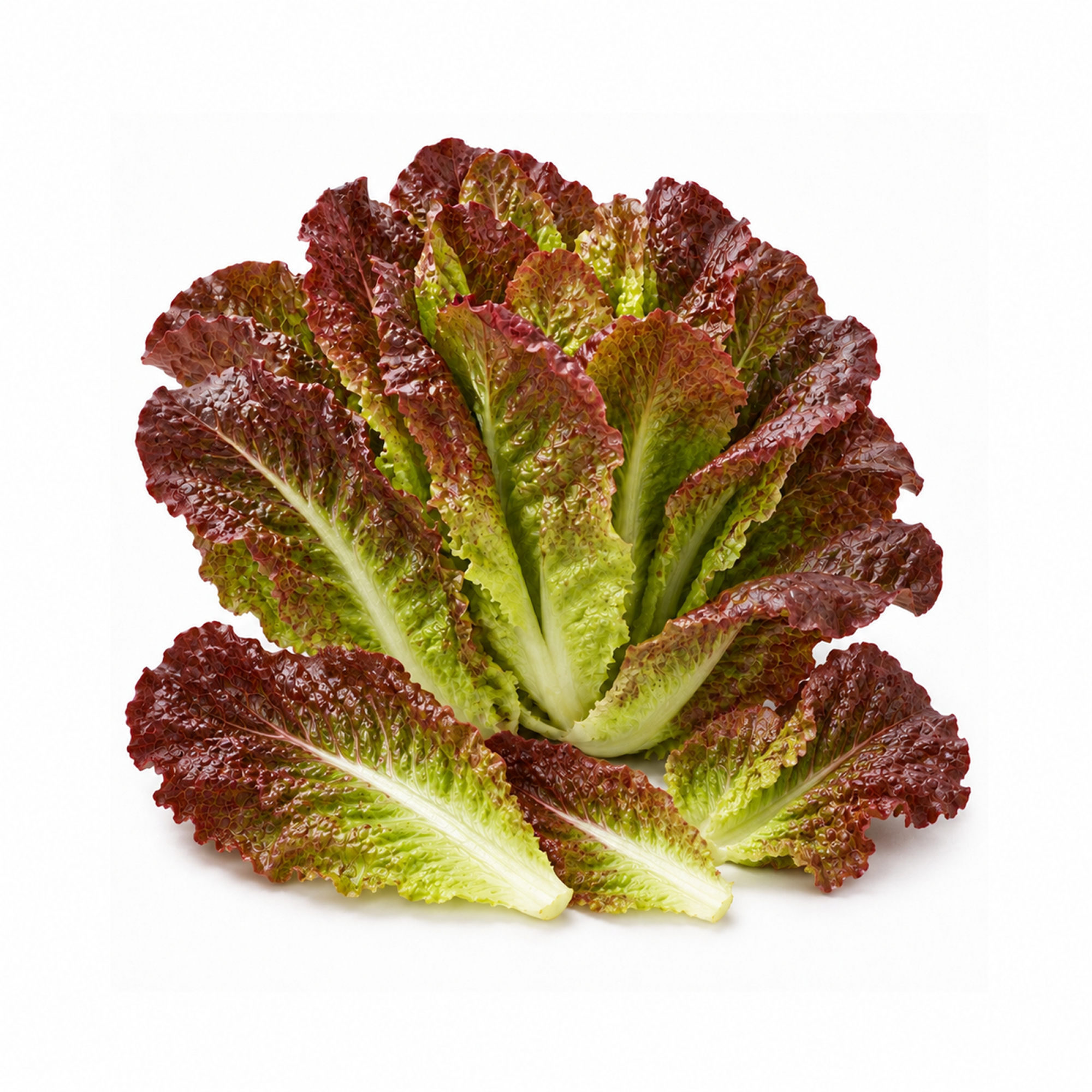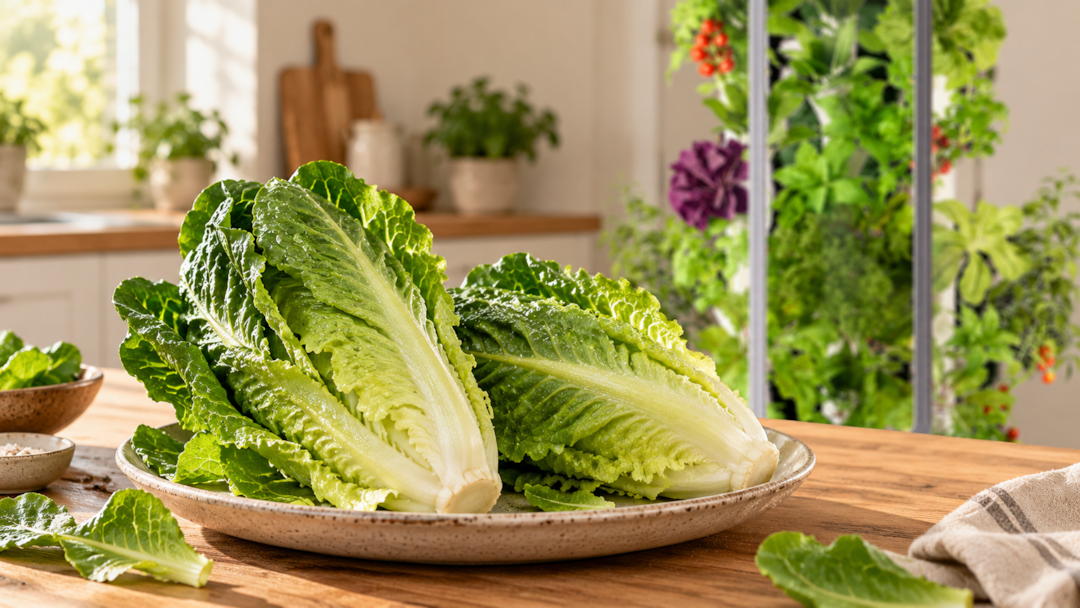
Freshly harvested romaine lettuce adds crisp texture and refreshing flavor to Caesar salads, sandwiches, and wraps. But harvest too early, and the leaves may be small. Wait too long, and heat or bolting can affect their quality.

So, when is the best time to harvest romaine lettuce?
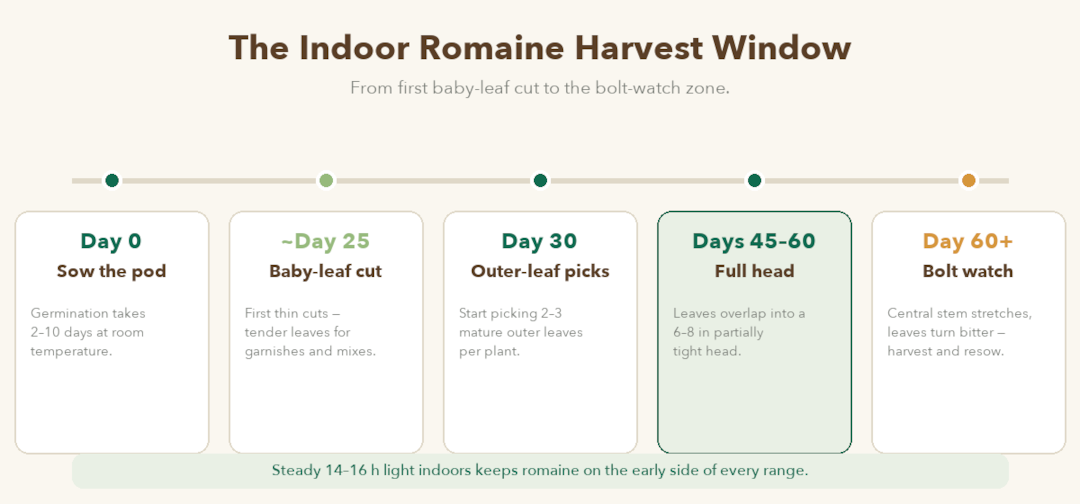
Romaine lettuce is generally ready for its first harvest around 30–60 days after sowing, depending on the variety and growing conditions. You can harvest individual outer leaves as they mature or wait until the plant develops a larger head.
If you're growing romaine lettuce indoors, understanding when and how to harvest helps you enjoy fresh leaves while keeping your plants productive. And if you're still at the seedling stage, how to grow romaine lettuce indoors covers everything from germination to this exact moment.
How Do You Know Romaine Lettuce Is Ready to Harvest?
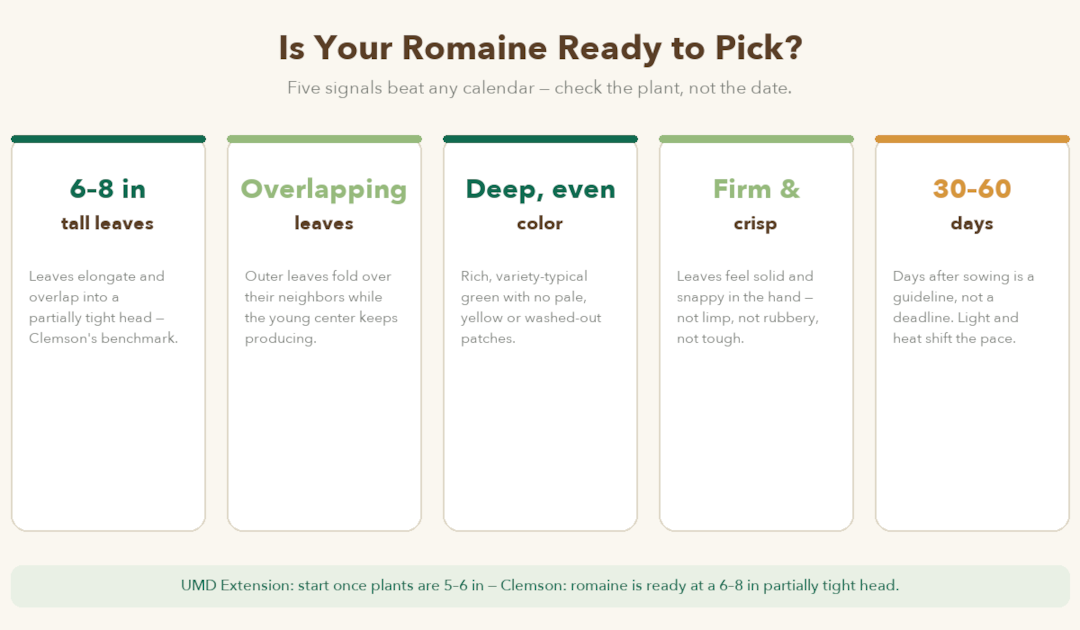
Rather than relying on a specific date, look at the plant's development. Leaf size, texture, and overall growth can help you determine when romaine lettuce is ready to eat.
Leaf Size, Texture, and Plant Development
Romaine lettuce develops upright leaves that gradually form an elongated head. Young leaves can be harvested early, while mature plants produce larger, firmer leaves.
Look for these signs:
- Leaf size: Outer leaves are large enough to use in salads or other dishes.
- Texture: Leaves feel firm and crisp rather than limp or excessively tough.
- Color: Leaves have a healthy color typical of the variety.
- Plant development: The plant has produced enough leaves to support harvesting.
Extension services offer useful size benchmarks. University of Maryland Extension suggests starting once lettuce reaches 5 to 6 inches tall, while Clemson's Home & Garden Information Center notes that romaine is ready when its elongated leaves overlap into a partially tight head about 6 to 8 inches tall. Baby-leaf fans can cut much earlier; whole-head harvesters can wait a little longer.
You don't have to wait for a fully formed head. Harvesting outer leaves once they're large enough to eat allows you to enjoy fresh lettuce earlier.
Harvest Timing vs. Days to Maturity
Many romaine lettuce varieties can be harvested approximately 30–60 days after sowing, although the timing varies by cultivar and growing conditions.
Days to maturity is a useful estimate, not a fixed deadline. Light intensity, temperature, nutrients, and growing method can all affect how quickly lettuce develops.
For indoor gardens, check your seed variety's growing guidance and observe the plant itself. A healthy plant with well-developed leaves may be ready for an early harvest before it reaches full maturity.
When to Harvest Romaine Lettuce Grown Indoors
Indoor romaine lettuce can be harvested whenever its leaves reach a usable size. Under suitable conditions, you may begin picking young outer leaves before the plant develops a full head.
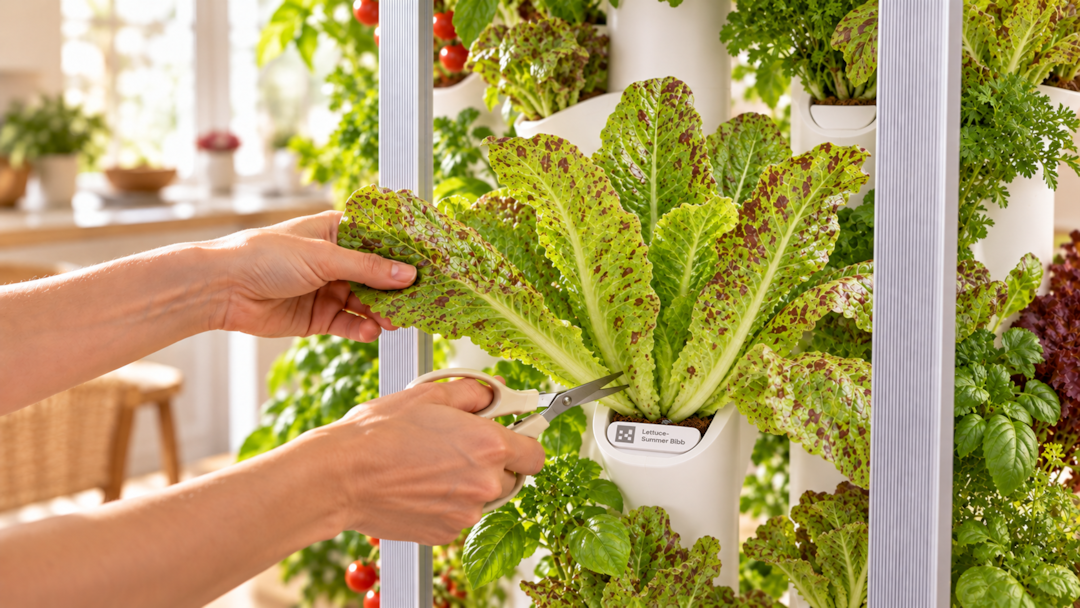
For a continuous supply, harvest a few outer leaves at a time and leave the center intact. The central growing point produces new leaves, allowing the plant to continue growing.
If you want a larger quantity for a recipe, you can wait until the plant develops a more substantial head and harvest it all at once.
Indoor growing gives you greater control over light and temperature, but plants still need suitable conditions to produce crisp, flavorful leaves. If you're new to soilless growing, how a hydroponic garden works explains why tower-grown romaine tends to hit its harvest window more predictably than windowsill plants.
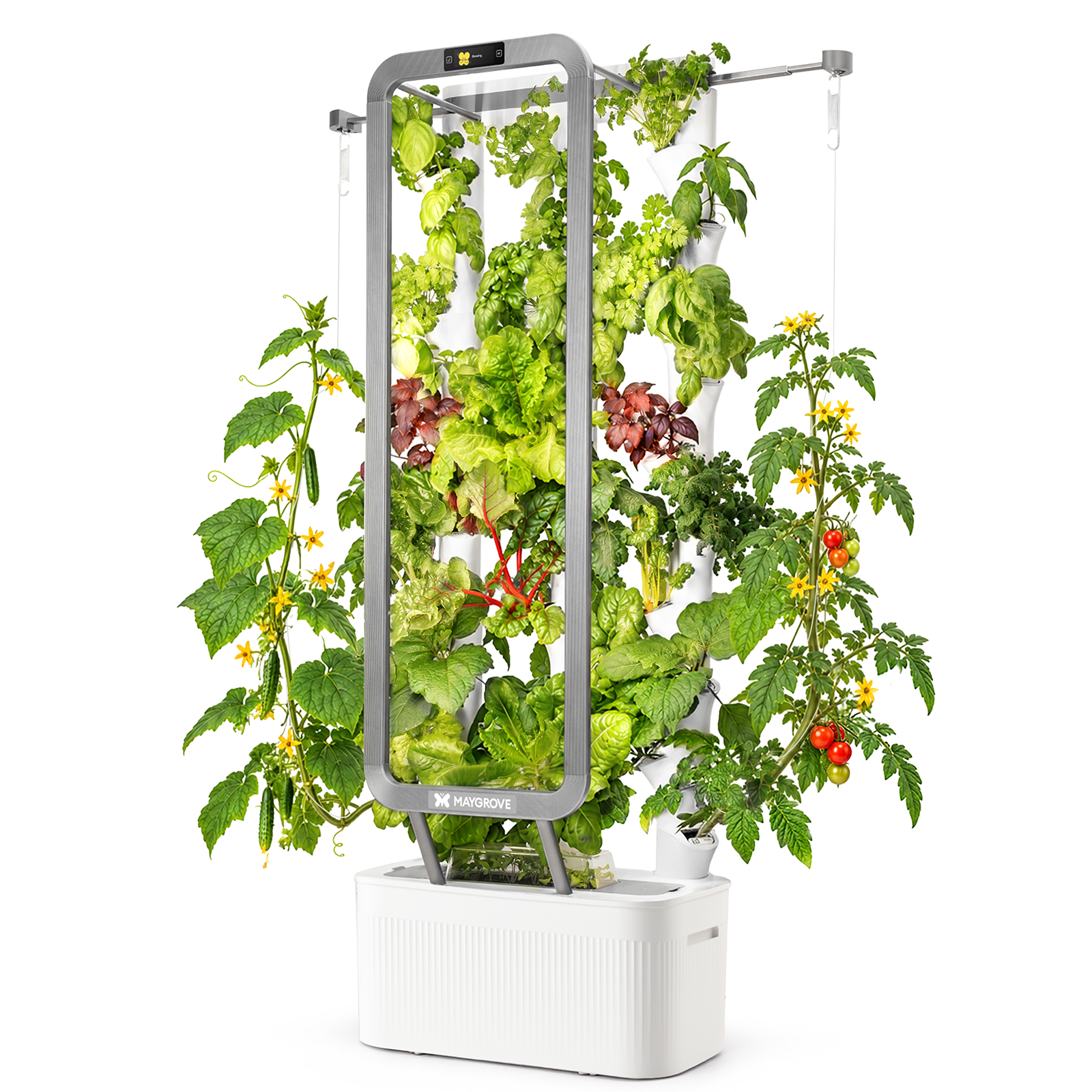
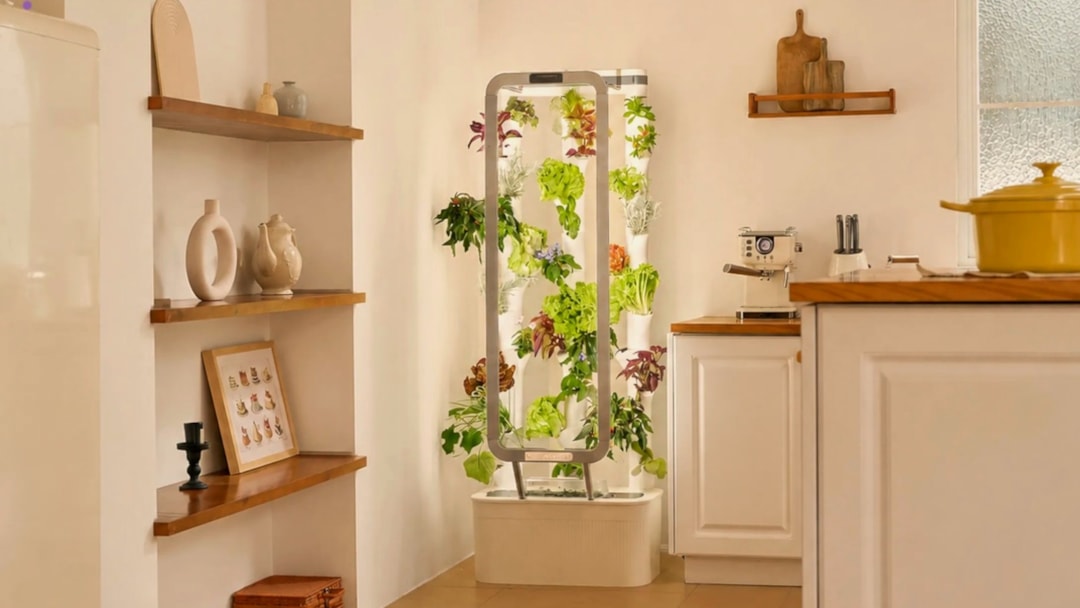
The Maygrove AI Growbot Verti 30 offers an integrated indoor growing system with features designed to simplify plant care. With compatible pre-seeded MayPods and growing support, you can focus on observing plant development and harvesting your greens at the right time.
How to Harvest Romaine Lettuce Step by Step
The best harvesting method depends on whether you want a continuous supply or a single, larger harvest.
Harvest Outer Leaves for a Continuous Supply
Follow these steps to encourage continued growth:
- Choose mature outer leaves. Select leaves that are large enough to eat while leaving smaller leaves to develop.
- Use clean scissors or your hands. Cut or gently remove the selected leaves near the base without damaging the central growing point.
- Leave the center intact. The growing point is responsible for producing new leaves.
- Avoid removing too much at once. Harvest only a portion of the plant so it retains enough leaves to continue growing.
- Check the plant regularly. Return when more outer leaves have reached a usable size.
This method works well if you want fresh lettuce for everyday meals rather than harvesting an entire plant at once. For a deeper dive into pick-as-you-go technique — and how many rounds a single plant can give — see how to harvest lettuce for continuous growth.
Harvest the Whole Head When Fully Developed
If you prefer to harvest the entire plant, wait until the head has developed to a suitable size for its variety.
- Inspect the plant to confirm that the leaves are well developed.
- Use a clean knife or scissors to cut through the base of the plant.
- Remove damaged or discolored outer leaves.
- Wash the harvested lettuce before eating.
Whole-head harvesting is useful when you need a larger quantity of lettuce for a meal or recipe.
Does Harvest Timing Affect Romaine Lettuce Flavor?
Yes. Harvest timing can influence both flavor and texture.
Young leaves are generally tender and delicate, making them suitable for salads and garnishes.
More mature leaves tend to be firmer and provide the crisp texture associated with romaine lettuce. They work particularly well in Caesar salads and sandwiches.
However, older leaves are not necessarily better — and heat is the real flavor killer. Clemson Extension warns that lettuce exposed to high temperature usually turns bitter and bolts, and Utah State University Extension places the danger zone near 75°F, when the plant races to flower. Indoor towers keep temperature swings small, which is exactly why windowsill romaine in July rarely tastes like winter romaine.
For the best eating experience, harvest healthy leaves before the plant starts flowering and while the leaves still have a crisp texture. Romaine is also one of the most nutritious leaves in the salad bowl — red vs. green lettuce nutrition breaks down what each color family delivers.
How to Keep Romaine Lettuce Growing After Harvest
If you want multiple harvests from the same plant, follow a few simple practices.
- Protect the growing point: Avoid cutting the center when harvesting outer leaves.
- Maintain adequate light: Consistent lighting supports continued leaf production.
- Keep water levels consistent: Prevent the roots from drying out or remaining in unsuitable conditions.
- Provide balanced nutrients: Follow the growing system's nutrient recommendations.
- Watch for heat stress: Excessive temperatures can encourage premature bolting.
- Harvest selectively: Leave enough healthy foliage for the plant to continue growing.
One warning sign worth acting on: if the leaves you're leaving behind look pale or yellow, fix the underlying problem before the next harvest — yellow leaves in a hydroponic garden walks through the usual suspects.
Even with good care, lettuce plants eventually become less productive or begin to bolt. When that happens, starting a new plant can help maintain a steady supply.
Common Harvesting Mistakes to Avoid
| Mistake | Why It Matters | How to Avoid It |
|---|---|---|
| Waiting too long to harvest | Older plants may become bitter or bolt | Monitor leaf development and harvest before flowering |
| Removing too many leaves | The plant may struggle to continue growing | Harvest only a portion of the outer leaves |
| Damaging the central growing point | New leaf production may be affected | Cut outer leaves carefully |
| Harvesting very small leaves unnecessarily | The plant has less time to develop usable foliage | Wait until leaves reach a suitable size unless you prefer baby greens |
| Ignoring signs of bolting | Leaf quality may decline as the plant begins flowering | Harvest promptly when the central stem starts elongating |
Observing your plants regularly makes it easier to identify the ideal harvest window.
How to Use Freshly Harvested Romaine Lettuce
Romaine lettuce is versatile, especially when harvested fresh.
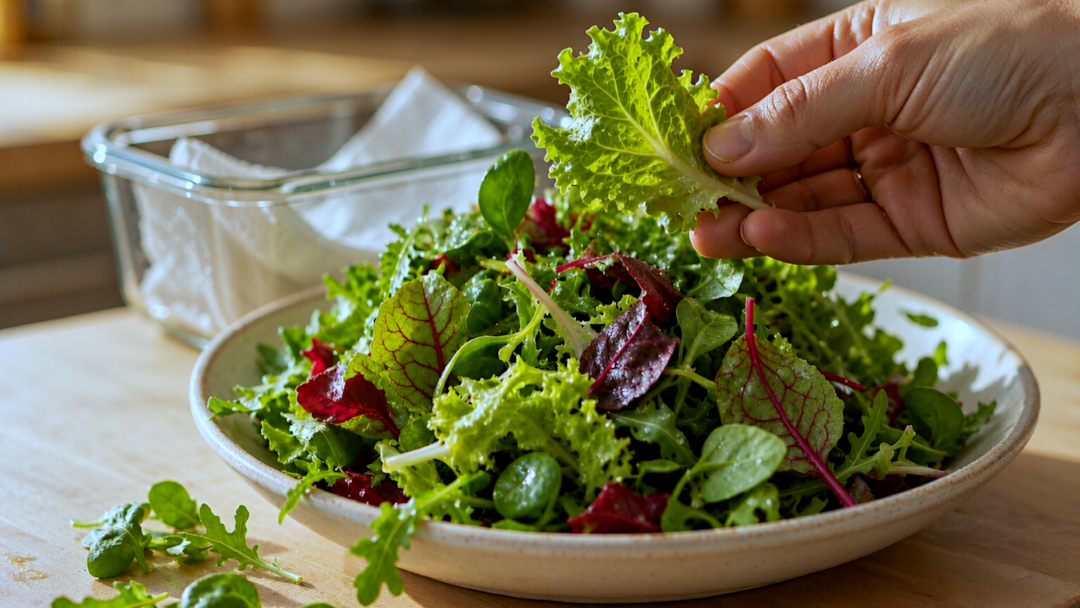
- Caesar salad: Combine crisp romaine leaves with dressing, croutons, and your favorite toppings.
- Sandwiches and wraps: Add fresh leaves for crunch.
- Lettuce cups: Use sturdy leaves to hold fillings.
- Grain bowls: Add chopped romaine for freshness and texture.
- Simple side salads: Toss with olive oil, lemon juice, and your favorite herbs.

For the best texture, wash the leaves and dry them thoroughly before serving. Once the bowl is full, what makes a good Caesar salad is the classic romaine showcase, and what are mixed greens shows how romaine pairs with softer leaves.
Frequently Asked Questions
Can You Harvest Romaine Lettuce Before It Forms a Full Head?
Yes. You can harvest individual outer leaves as soon as they're large enough to eat. This lets you enjoy young, tender leaves without waiting for the entire head to mature.
How Often Can You Harvest Romaine Lettuce?
It depends on the plant's growth rate and growing conditions. With selective harvesting, you can return periodically to collect mature outer leaves as new ones develop. Avoid removing too much foliage at once.
How Do You Know When Romaine Lettuce Is Past Its Best?
Watch for an elongating central stem, emerging flower stalks, increasingly bitter leaves, or a decline in leaf quality. These can indicate that the plant is bolting or approaching the end of its productive stage. Harvest usable leaves promptly.
Why Is My Romaine Lettuce Bitter?
Bitterness is almost always a stress signal. Heat is the most common cause — as temperatures climb toward 75°F, the plant's flavor compounds shift and it prepares to flower. Moisture stress triggers the same response. If the central stem starts stretching, harvest what's usable and start a fresh pod. Indoor growing keeps temperatures steady, so bitter romaine is far less common on a tower than on a summer windowsill.
How Do You Store Romaine Lettuce After Harvesting?
Keep the leaves dry and cold. Bag them unwashed with a paper towel and refrigerate in the crisper — Clemson Extension reports that leaf lettuce can keep for up to four weeks when the leaves are dry at bagging. For a simple kitchen routine, see our guide on how to keep freshly harvested lettuce crisp.
Harvest Fresh Romaine Lettuce at Home with Maygrove
The best time to harvest romaine lettuce depends on your preferred leaf size, the plant's development, and its growing conditions. For tender leaves, harvest young. For a crisp, substantial texture, allow the plant to develop further.
With regular observation and selective harvesting, you can enjoy fresh romaine lettuce in salads, sandwiches, and everyday meals.
The Maygrove AI Growbot Verti 30 makes indoor gardening more convenient with an integrated growing system designed to simplify plant care. Pair it with compatible pre-seeded MayPods to get started and enjoy the satisfaction of harvesting fresh ingredients from your own indoor garden.