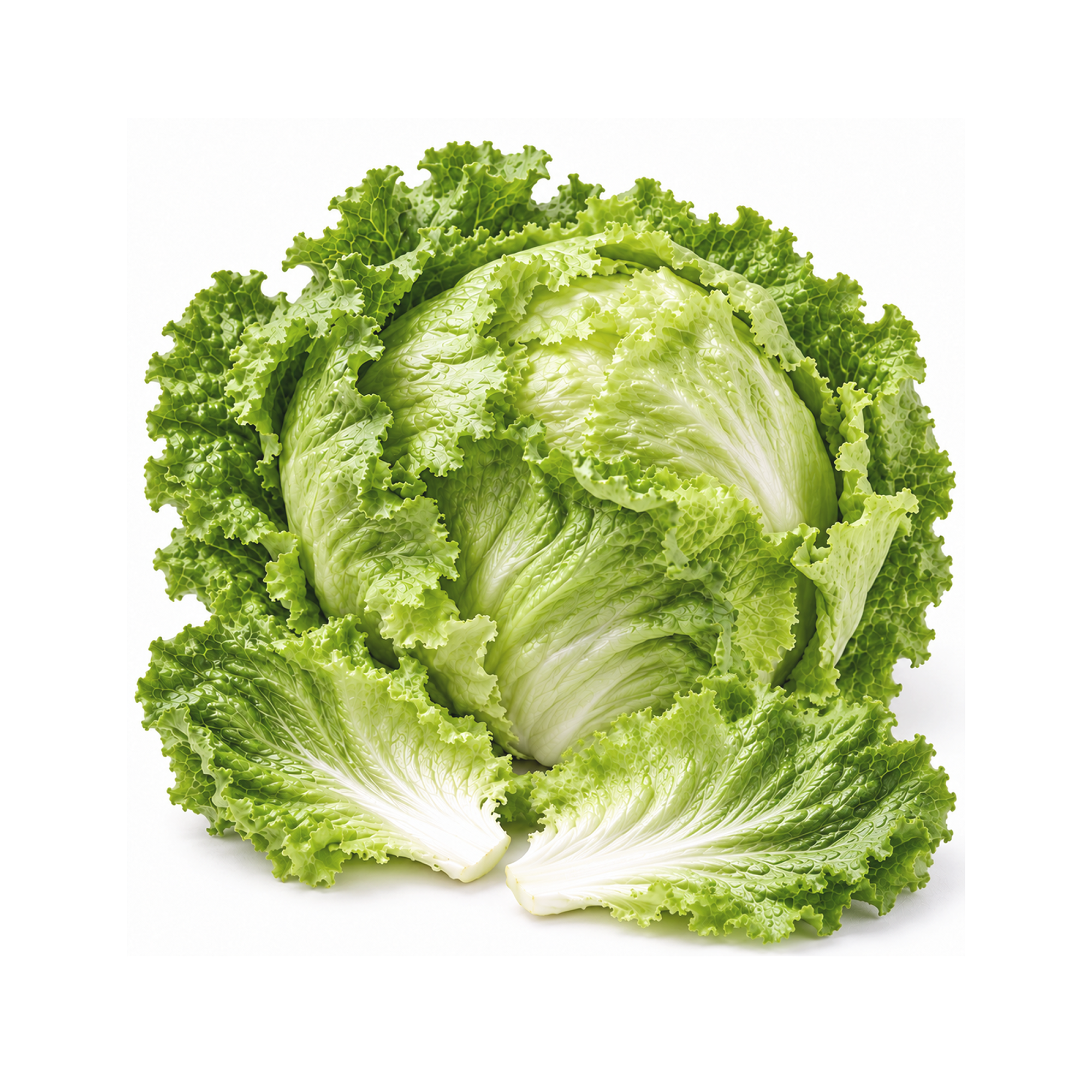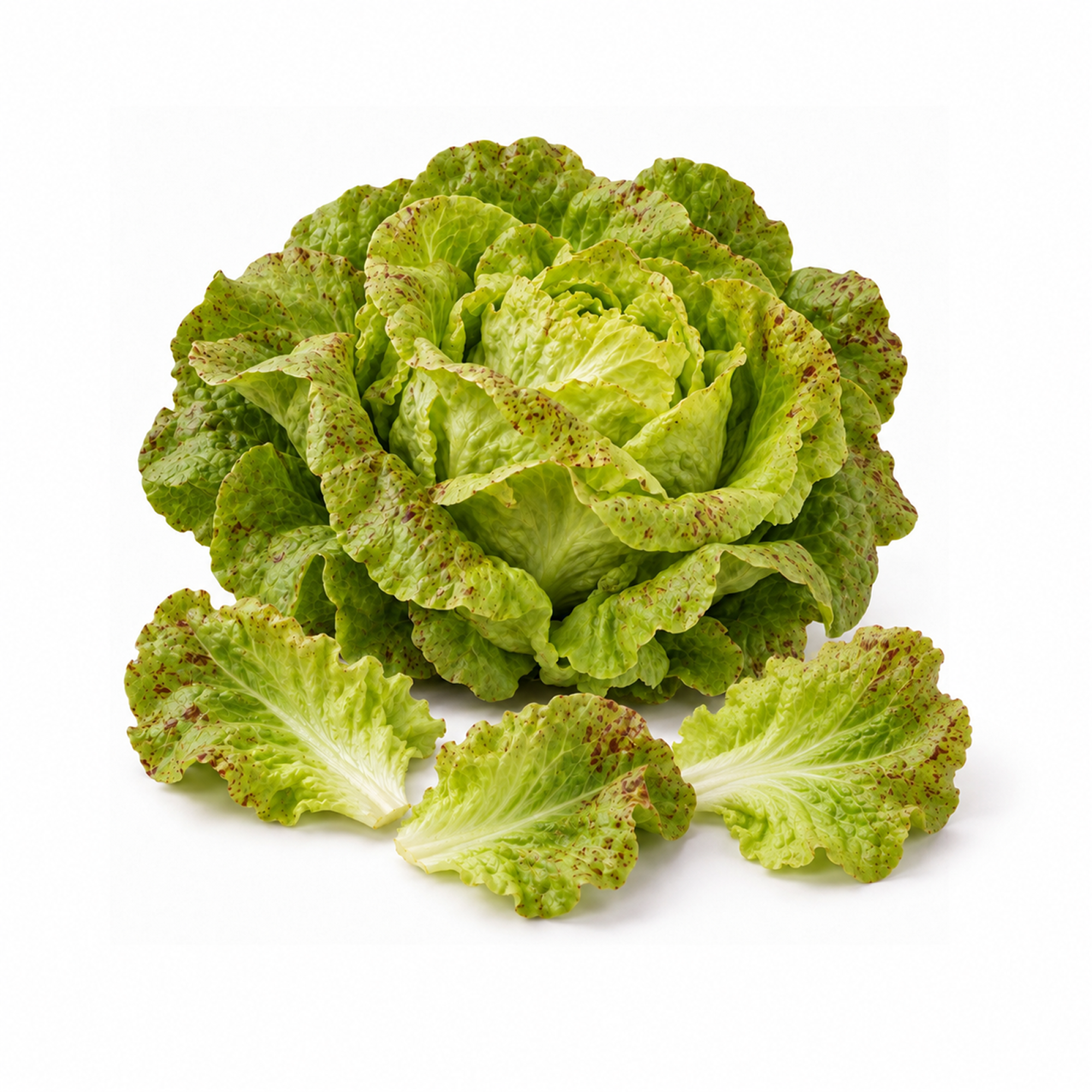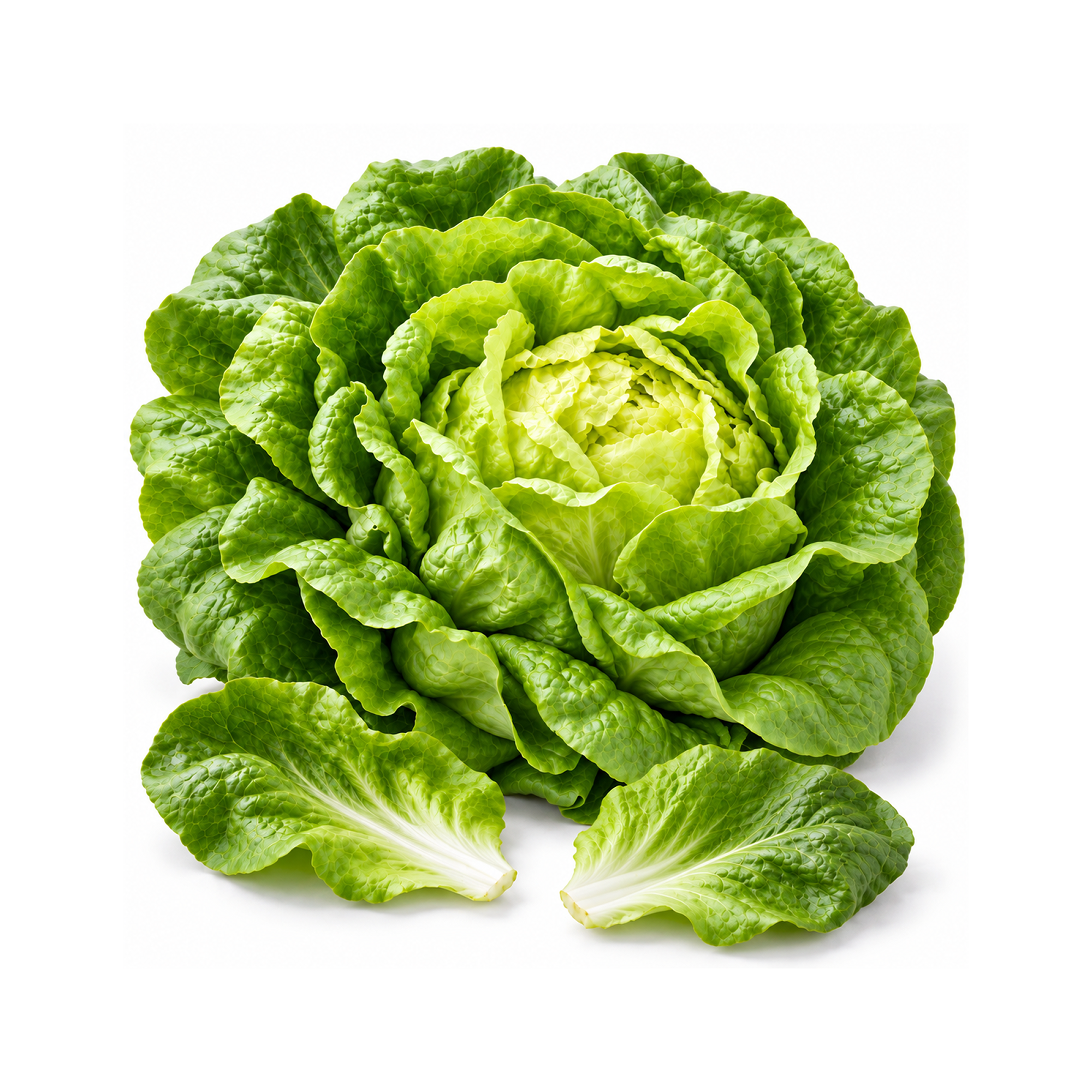
Freshly harvested lettuce should be crisp, cool, and full of moisture. But even lettuce picked just minutes ago can start to wilt if it loses water or is stored incorrectly. Whether you grow romaine on a windowsill, harvest loose-leaf lettuce from a garden, or pick a few leaves from an indoor hydroponic system, proper handling can help preserve its texture and flavor.
The key is to minimize moisture loss while preventing excess water from collecting on the leaves. With a few simple steps, you can keep homegrown lettuce fresh for days and have crisp greens ready whenever you want a salad.

Why Freshly Harvested Lettuce Wilts
Lettuce contains a high percentage of water. After harvesting, the leaves continue to lose moisture through transpiration, even though they are no longer attached to the plant's roots.
As the leaves lose water, their cells lose pressure, a process called loss of turgor. This makes the leaves limp rather than firm and crisp.
Several factors can speed up wilting:
- Warm temperatures: Lettuce loses moisture more quickly when left in a warm kitchen or outdoors after harvesting.
- Air exposure: Unprotected leaves can gradually dry out in the refrigerator.
- Direct sunlight: Leaving freshly harvested lettuce in the sun can accelerate moisture loss.
- Excess moisture during storage: Water trapped between leaves can encourage decay and sliminess.
- Physical damage: Bruised, torn, or crushed leaves deteriorate faster than intact ones.
The goal is to cool lettuce promptly, protect it from drying out, and manage moisture carefully. Lettuce needs a humid storage environment to limit dehydration, but its leaves should not sit in standing water.
What to Do Right After Harvesting Lettuce
The first few minutes after harvesting can make a difference in how long your lettuce stays fresh. Handle leaves gently and move them out of direct sunlight as soon as possible.
Remove Damaged Leaves
Start by inspecting your harvest. Remove leaves that are badly bruised, torn, yellowing, slimy, or showing signs of decay.
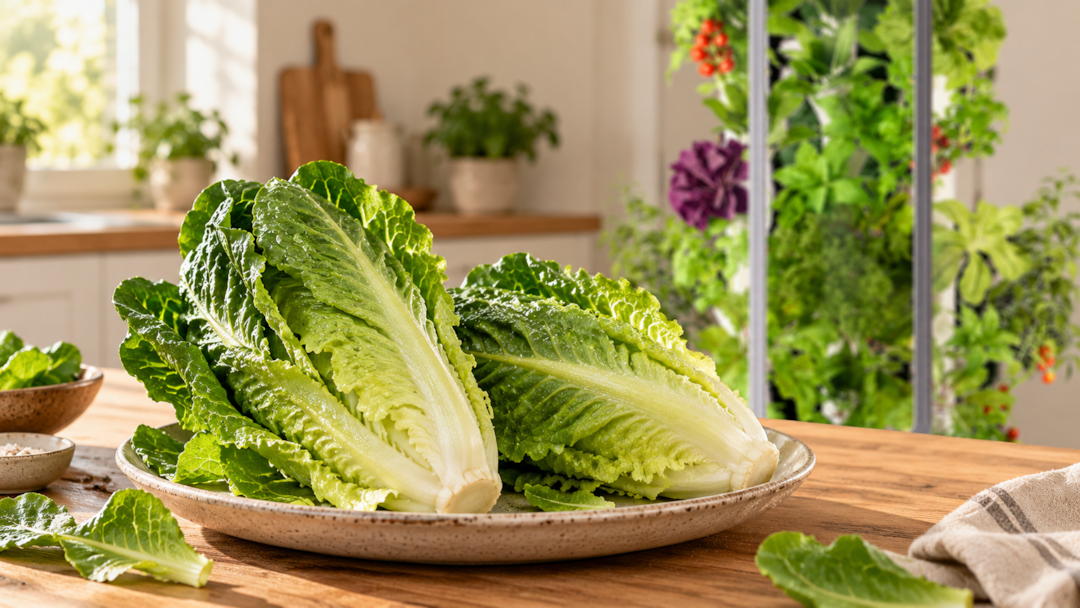
For loose-leaf varieties, separate any damaged outer leaves from the healthy ones. If you harvest romaine, check the outer leaves and the base of the head for damaged or dirty areas. And if yellowing shows up on the plant itself before you even harvest, fix it at the source — yellow leaves in a hydroponic garden covers the usual causes.
You do not need to discard every leaf with a small blemish. Minor cosmetic damage can often be trimmed away, provided the remaining leaf is fresh and shows no signs of spoilage.
Keep healthy leaves intact when possible. Cutting or tearing them unnecessarily creates more exposed tissue and can speed up deterioration.
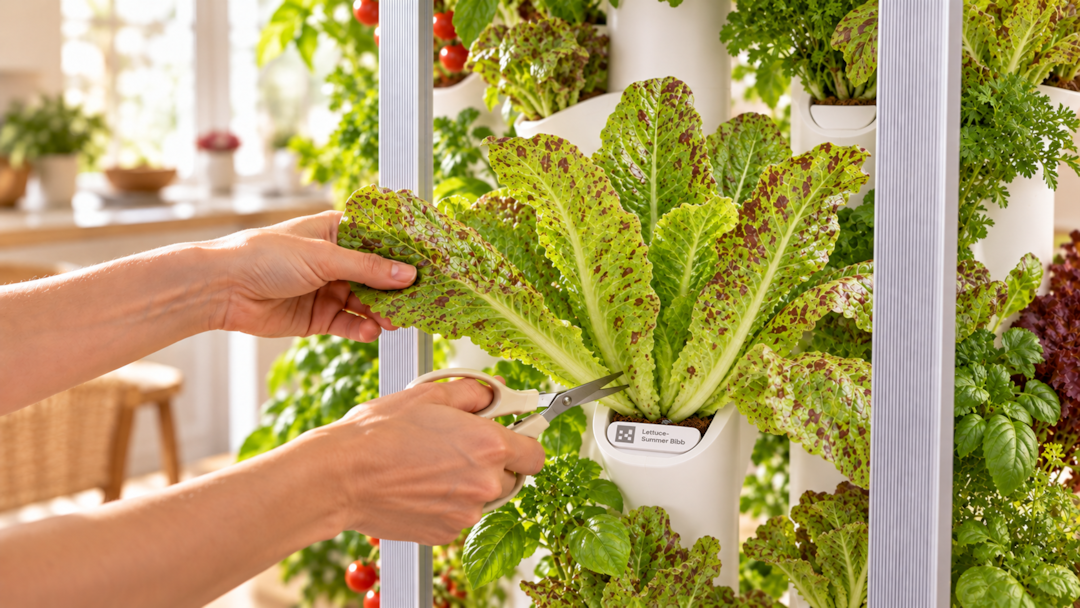
If you harvest lettuce repeatedly from the same plant, use clean scissors or a clean harvesting knife. Clean tools help reduce the risk of transferring contaminants between plants.
When and How to Wash Lettuce
Whether you should wash lettuce immediately depends on when you plan to eat it and how you intend to store it.
If you plan to eat the lettuce soon, wash it under clean, cool running water before preparation. Gently separate the leaves so water can reach the surfaces where soil or debris may collect.
For lettuce you want to store for several days, you have two options:
- Wash before storage: Convenient if you can dry the leaves thoroughly before refrigerating them.
- Wash just before eating: Useful if you do not have a reliable way to dry the leaves completely.
If you harvest lettuce from soil or an outdoor garden, washing is particularly important because the leaves may carry dirt and other contaminants. Indoor-grown lettuce should also be washed before eating.
Do not use soap, household cleaners, or disinfectants to wash lettuce. Clean running water is the appropriate choice for routine washing.
Dry Leaves Thoroughly
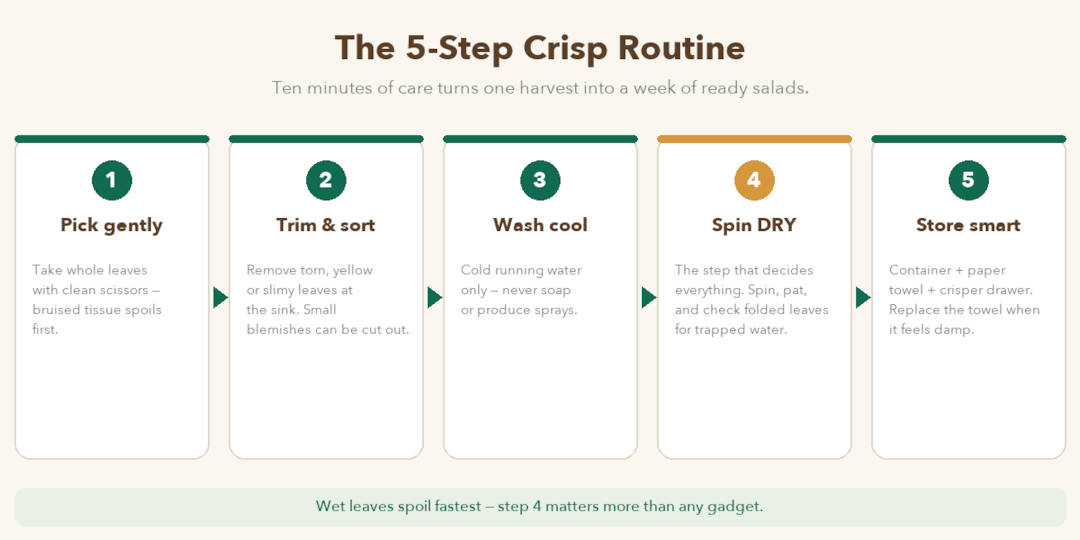
Drying is one of the most important steps in keeping washed lettuce crisp.
Excess water left on the leaves can collect inside storage containers, creating conditions that encourage deterioration. However, the leaves should not be left exposed to air for so long that they begin to dry out.
To dry lettuce effectively:
- Shake off excess water gently.
- Place the leaves in a salad spinner and spin until most surface water is removed.
- If necessary, pat the leaves dry with a clean paper towel or clean kitchen towel.
- Check the folds and inner leaves, where water can remain trapped.
- Transfer the leaves to a clean storage container.
Avoid squeezing or pressing the leaves. Delicate lettuce can bruise easily, especially when wet.
If you do not have a salad spinner, spread the leaves on a clean towel, pat them gently, and allow them to air-dry briefly before storing them.
How to Store Lettuce in the Refrigerator
Once harvested lettuce is clean and dry, refrigerate it promptly. A refrigerator helps slow the processes that cause leaves to deteriorate, while suitable packaging helps maintain their moisture.
For most households, the crisper drawer is a good place to store lettuce because it is designed for produce and can help maintain a suitable humidity level.
Keep lettuce away from areas where it may freeze. Freezing can damage the leaf structure, leaving lettuce limp and watery after thawing.
Choosing a Container and Moisture-Absorbing Material
The best storage method depends on whether you are keeping whole lettuce heads or individual leaves.
For loose leaves:
- Use a clean, food-safe container or resealable bag.
- Line the container with a clean paper towel to absorb excess moisture.
- Place the thoroughly dried leaves inside without compressing them.
- Add a paper towel over the top if the container tends to collect condensation.
- Close the container or bag while allowing for a suitable balance between moisture retention and excess moisture control.
For a whole romaine head:
- Remove damaged outer leaves.
- If the head is already clean, keep it intact until you are ready to use it.
- Place it in a produce bag or suitable container in the refrigerator.
- If the base is damp, dry it gently before storage.
Harvesting your own heads? Our romaine growing guide shows how to raise them fridge-ready in the first place.
A paper towel can help absorb excess moisture, but it should not be used as a substitute for drying the lettuce properly. Replace it if it becomes noticeably wet.
Avoid packing leaves tightly into a container. Gentle handling and enough room to prevent crushing help preserve their texture.
How to Avoid Excess Moisture and Condensation
Lettuce needs protection from dehydration, but trapped water is a common cause of storage problems.
Condensation often forms when cold lettuce is exposed to warmer, humid air or when wet leaves are sealed in a container. Water droplets then collect on the leaves and the bottom of the container.
To reduce this problem:
- Dry lettuce thoroughly after washing.
- Cool freshly harvested lettuce before sealing it in a container, without leaving it exposed for an extended period.
- Avoid storing lettuce that is dripping wet.
- Check the container periodically for water droplets.
- Replace damp paper towels and remove any deteriorating leaves.
- Avoid repeatedly opening and closing the container unnecessarily.
Do not leave lettuce uncovered in the refrigerator for long periods. Although this may help surface moisture evaporate, it also exposes the leaves to dry air and can make them wilt faster.
The best approach is to keep lettuce cool and protected while preventing standing water from accumulating.
How Long Does Fresh Lettuce Last?
The shelf life of freshly harvested lettuce depends on its variety, condition at harvest, temperature, and storage method.
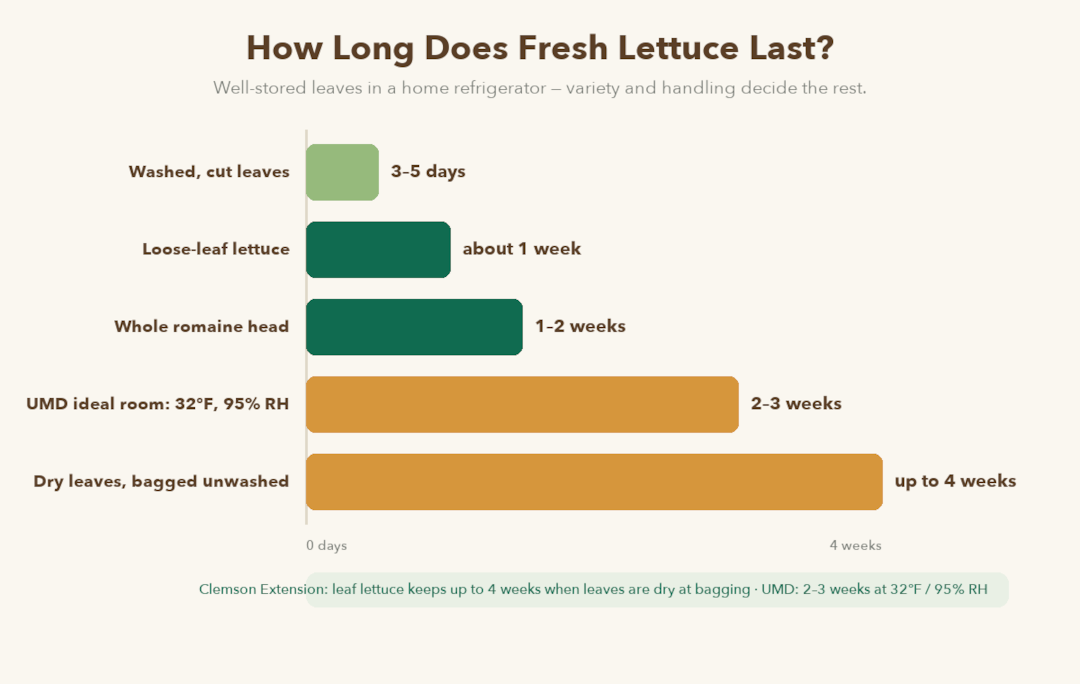
As a general guide, properly refrigerated lettuce may stay in good condition for several days to around two weeks, depending on these factors. Individual leaves often deteriorate sooner than an intact, healthy head.
| Lettuce Type | General Storage Expectation | What Helps It Last Longer |
|---|---|---|
| Loose-leaf lettuce | Several days to about a week | Dry leaves thoroughly and store in a covered container |
| Romaine lettuce, whole head | Around one to two weeks under favorable conditions | Keep the head intact and refrigerate promptly |
| Washed, cut lettuce | Often several days | Remove excess water and use a clean, sealed container |
Extension data backs these ranges up. UMD Extension keeps lettuce at very cool (32°F) and moist (95% relative humidity) conditions for 2 to 3 weeks, and Clemson's Home & Garden Information Center reports that leaf lettuce can last up to four weeks when the leaves are dry at bagging. A home refrigerator can't match those numbers exactly, but the principle travels: cold, dry leaves, protected from the air.
These are estimates rather than guarantees. Freshly harvested lettuce that was damaged, left warm, or stored while wet may deteriorate much sooner.
For best quality, keep your refrigerator at 40°F (4°C) or below and use the lettuce while the leaves are still firm and fresh. Discard lettuce that develops a slimy texture, an unpleasant smell, or visible signs of decay.
Can You Revive Wilted Lettuce?
Yes. If lettuce has wilted because it has lost moisture, a short soak in cold water can often restore some of its crispness.
Try this method:
- Separate the leaves and remove any damaged sections.
- Fill a clean bowl with cold water.
- Submerge the lettuce for approximately 10–30 minutes.
- Check whether the leaves have become firmer.
- Drain the leaves and dry them thoroughly before serving.
The exact time depends on how wilted the lettuce is and which variety you are using. Delicate leaves may need less time than thicker romaine leaves.
Cold water can help lettuce regain firmness because the leaves absorb some moisture. However, it cannot reverse spoilage or repair tissue that has already broken down.
Do not try to revive lettuce that is slimy, moldy, or has an unpleasant odor. These are signs of deterioration, not simple dehydration.
If the leaves are only slightly limp, you may also be able to use them in cooked dishes, such as soups or stir-fries, where crisp texture is less important. Only use lettuce that remains safe to eat.
How to Keep Homegrown Lettuce Fresh Until Mealtime
Growing lettuce at home gives you the advantage of harvesting only what you need. Instead of picking an entire head and storing it for days, you can harvest smaller quantities for individual meals.
Here are a few ways to make the most of that advantage.
Harvest during cooler parts of the day when practical. Lettuce harvested before the heat of the day may be less stressed and easier to keep crisp. If your lettuce grows indoors, temperature and plant condition still matter.
Pick only what you plan to use. For loose-leaf lettuce, harvest a few mature outer leaves and leave the healthy center to continue growing. For romaine, remove outer leaves as needed if your growing method and plant maturity allow it. Our guides to harvesting lettuce for continuous growth and when romaine is ready to pick cover the picking side in detail.
Bring harvested leaves indoors promptly. Avoid leaving them in direct sunlight or in a hot car, garden basket, or kitchen.
Prepare greens close to mealtime. If you want the freshest texture, harvest, wash, dry, and serve your lettuce shortly before eating. Once you're picking several varieties at once, what are mixed greens explains which leaves pair well.
Keep salad dressing separate until serving. Salt, acid, and dressing can draw moisture from leaves or coat them in a way that softens their texture. Toss lettuce with dressing just before serving rather than storing dressed salad for later. Craving a template? What makes a good Caesar salad is built on exactly this habit: crisp, dry, just-dressed romaine.
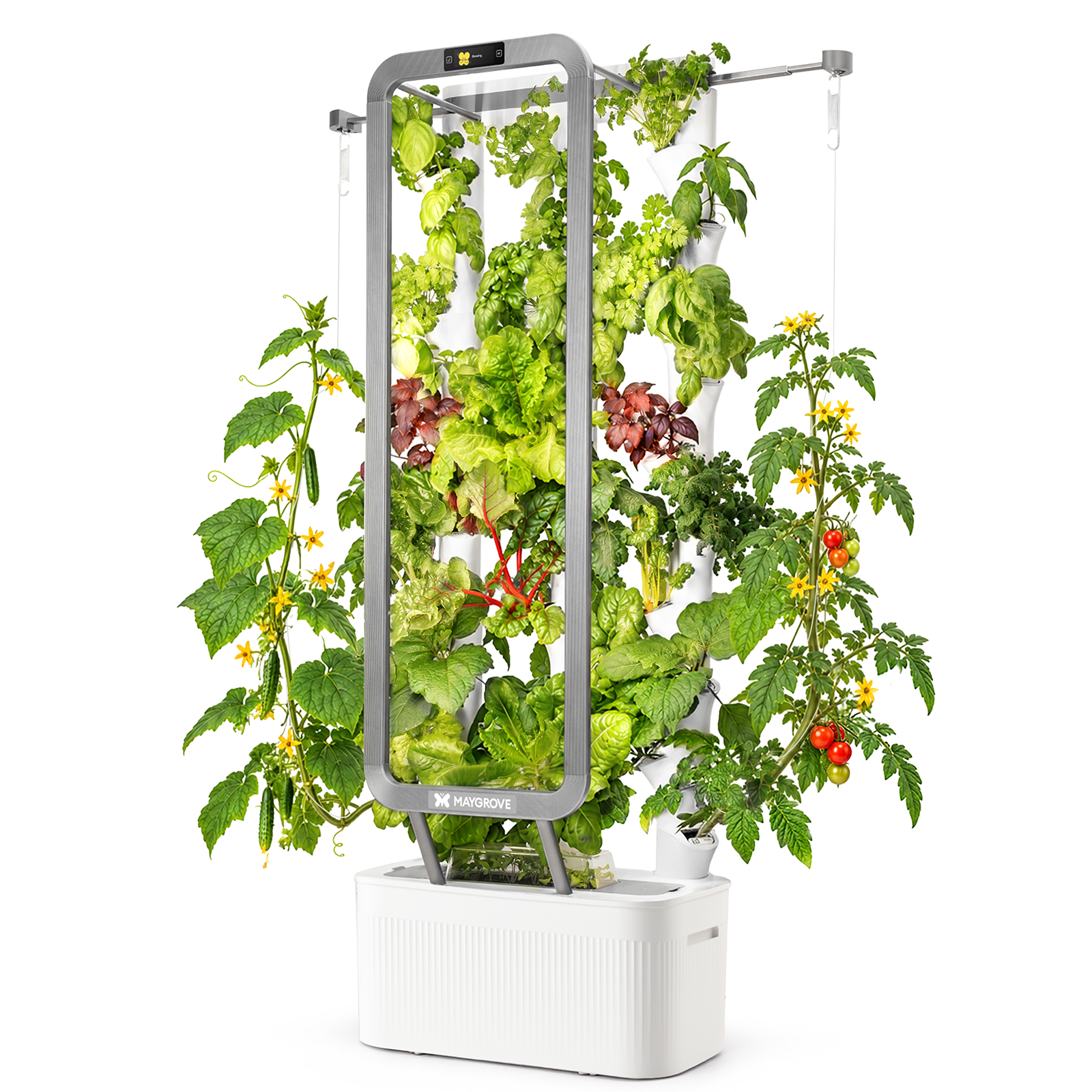
For indoor gardeners, consistent harvesting can also help reduce waste. A home growing system such as the Maygrove AI Growbot Verti 30 can make it easier to grow leafy greens in a compact space and harvest them as needed. With a ready supply of homegrown lettuce, you can pick fresh leaves for lunch or dinner instead of relying on a large batch that must be stored for several days.

Common Lettuce Storage Mistakes
Even fresh lettuce can lose its quality quickly if it is handled incorrectly. Avoid these common mistakes:
- Putting wet lettuce straight into a sealed container: Water trapped between leaves can accelerate deterioration.
- Leaving lettuce uncovered in the refrigerator: Dry refrigerator air can pull moisture from the leaves.
- Washing lettuce but skipping the drying step: Surface water and condensation can make storage less effective.
- Cutting everything at once: Cut edges can deteriorate faster than intact leaves.
- Compressing leaves into a small container: Pressure can bruise delicate tissue and damage the leaves.
- Storing lettuce near freezing temperatures: Freezing can cause irreversible texture damage.
- Leaving harvested lettuce at room temperature for too long: Warm conditions accelerate deterioration.
- Keeping spoiled leaves with healthy ones: Remove deteriorating leaves promptly to protect the quality of the rest.
- Dressing salad too early: Salt and acidic dressing can soften leaves before serving.
A simple routine—gentle harvesting, prompt cooling, careful drying, and appropriate refrigeration—can make a noticeable difference.
Frequently Asked Questions
Should You Wash Lettuce Before Storing It?
You can wash lettuce before storing it, provided you dry it thoroughly before refrigeration. This makes meal preparation more convenient and helps remove dirt from the leaves.
Alternatively, you can store clean-looking lettuce unwashed and wash it immediately before eating. This approach can work well when you do not have time to dry the leaves properly.
Whichever method you choose, wash lettuce under clean running water before eating and avoid storing it while dripping wet.
Should Lettuce Be Stored Wet or Dry?
Lettuce should be stored with its surface leaves as dry as possible, without allowing them to dehydrate.
Excess water can collect inside the container and encourage deterioration. At the same time, leaving lettuce completely exposed to dry refrigerator air can cause wilting.
Thoroughly dried leaves in a clean, covered container with a paper towel to absorb excess moisture are a practical solution for most home kitchens.
How Can You Tell If Lettuce Has Gone Bad?
Fresh lettuce generally has firm leaves, a clean smell, and a color typical of its variety.
Signs of spoilage include:
- Slimy or mushy leaves
- Mold or unusual spots associated with decay
- A sour or unpleasant smell
- Extensive browning or blackening accompanied by soft, deteriorating tissue
A little browning along a cut edge does not always mean the entire batch has spoiled. Inspect the leaves carefully, remove damaged portions when appropriate, and discard lettuce with clear signs of spoilage.
If you are unsure whether lettuce is safe to eat, throw it away rather than relying on soaking or rinsing to make it safe.
Can You Freeze Fresh Lettuce?
Not for salads. Freezing ruptures the leaf cells, so thawed lettuce turns limp and watery — the same reason lettuce should never sit against the freezer compartment of your refrigerator. If you have a surplus you can't eat in time, blend it into soups or smoothies instead of freezing whole leaves.
Why Did My Lettuce Go Limp in the Fridge Overnight?
Usually one of two things: the leaves went in wet, so trapped water sped up decay, or they were left uncovered and the dry fridge air pulled moisture out of them. The fix is the same either way — dry the leaves thoroughly, seal them in a container with a paper towel, and keep them in the crisper. Slightly limp leaves can often be re-crisped with a 10–30 minute cold-water soak before serving.
Keep Crisp Lettuce Coming with Maygrove
Freshly harvested lettuce does not need complicated storage techniques to stay crisp. Harvest gently, cool it promptly, remove damaged leaves, dry washed greens thoroughly, and store them in the refrigerator with protection from both excess moisture and dehydration.
With these habits — and a Maygrove AI Growbot Verti 30 close enough to harvest on demand — you can enjoy crisp, homegrown lettuce in salads, sandwiches, and everyday meals.